Rebuild Confidence, Strength, and Coordination After Brain Stroke and Paralysis (Lakwa)

Regaining Independence with Precision Ayurveda Paralysis Treatment

Enquire Now

Landing page form(Delhi)

Rebuild Confidence, Strength, and Coordination After Brain Stroke and Paralysis (Lakwa)

Regaining Independence with Precision Ayurveda Paralysis Treatment

98.6%

Customer satisfaction score

4,00,000 +

Patients served till date

Insurance Backed Ayurveda Medical Care

Enquire Now

Landing page form(Delhi)

98.6%

Customer satisfaction
score

4,00,000 +

Patients served
till date

Insurance Backed
Ayurveda Medical
Care

Key Outcomes

Reduction in pain and stiffness
Enhancement of motor
skills
Early sensory
stimulation
Increased muscle
strength
Improvement in speech, comprehension, and articulation
Better ability to perform daily tasks

Ayurveda Treatment Approach

Apollo AyurVAID uses an integrative approach to treat paralysis, combining the benefits of Ayurveda with contemporary medicine to produce better results.ย 

  • A comprehensive evaluation along with laboratory investigations is done to determine the patient’s stage of stroke recovery when they come with a brain stroke or paralysis (Lakwa).
  • The underlying root cause of cognitive dysfunction, sensory impairment, difficulty speaking, or bladder disturbance is determined with an evidence-based approach.
  • Following a thorough evaluation of the neurological deficit, functional limitations, and assessment of related conditions such as hypertension, diabetes, or cardiac disorders, treatment is customised.
  • Restoring sensory-motor function, managing neurocognitive dysfunction, and reducing inflammation are the three primary goals of our Integrative Stroke Recovery Program.

Key Causes

One-sided weakness or paralysis (Lakwa)

Sudden weakness, inability to move or numbness of face, arms or legs; especially on one side of body.

Trouble with speech and communication

Unable to pronounce words, slurred speech

Loss of balance or coordination

Giddiness, headache, seizure, vision problems

Abrupt changes in awareness or confusion

Some people become suddenly disoriented, confused, or less aware of their surroundings.

We are the most awarded Ayurveda Hospital globally

Listen To Our Patient's Voice

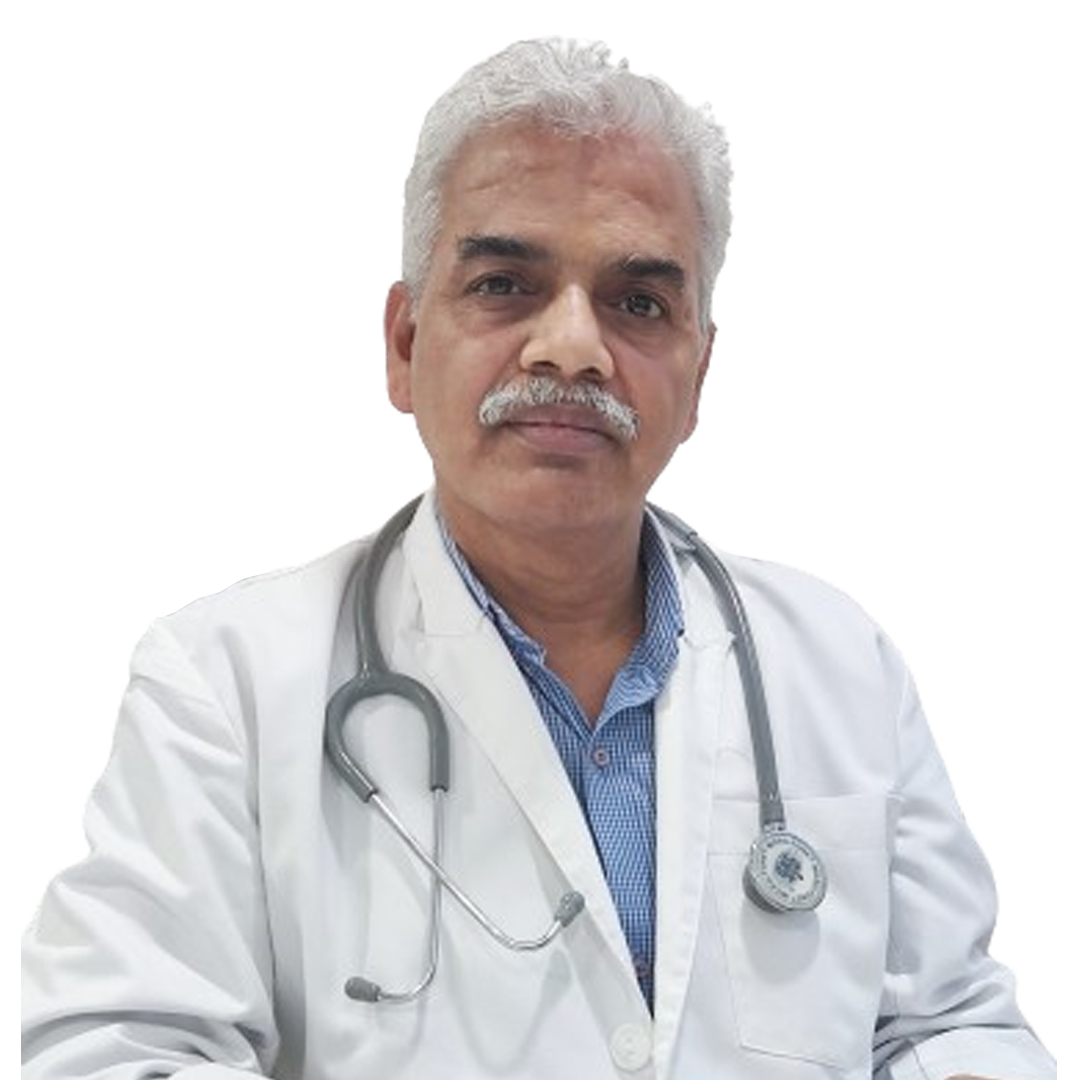
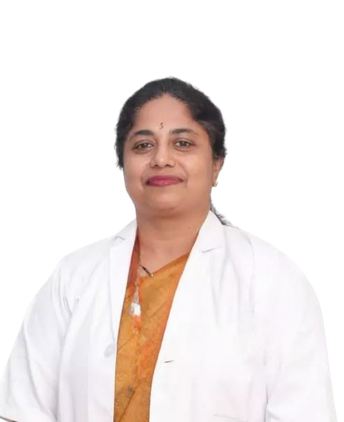
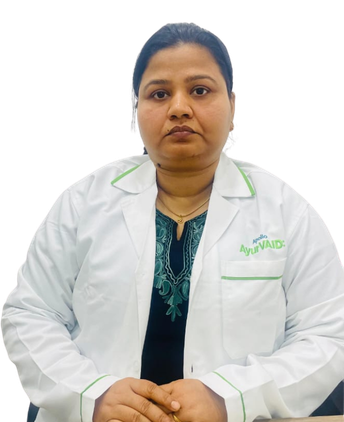
Meet Indiaโ€™s Leading Ayurveda Physicians

Frequently Asked Questions

How soon should paralysis treatment begin?
Rehabilitation should begin as early as the patient is medically stable. Early sensory and motor stimulation gives better outcomes. The earlier we intervene, the better the possibility of functional recovery.
What is different about AyurVAIDโ€™s integrative stroke recovery program?
Conventional stroke rehabilitation focuses mainly on physiotherapy and speech therapy. In our program, we integrate ongoing treatment with structured Ayurveda therapies. We address neuro-cognitive dysfunction, inflammation, and metabolic imbalance in addition to motor weakness. So the approach is more comprehensive.
How long does stroke recovery take?
It depends on the severity of the stroke, the area of brain involvement, age, associated illnesses, and how early rehabilitation has started. Some patients show improvement in 3โ€“6 months with regular therapy. Full rehabilitation may take longer. Recovery is gradual and requires consistency.
Can paralysis (Lakwa) improve after stroke therapy?
Yes, to a significant extent in many cases. Improvement depends on the degree of neurological damage and the time at which therapy is initiated. Early intervention, especially within the first six months, generally produces better outcomes.
What therapies are used in stroke therapy?
Depending on assessment, therapies such as Vasti, Nasya, and other Panchakarma procedures may be administered. These are combined with internal medications, physiotherapy for motor recovery, and speech therapy where required. Treatment is structured and protocol-based.
Is inpatient treatment necessary?
In many cases, a 14โ€“21 day intensive inpatient phase helps initiate therapy in a structured manner and allows closer monitoring. Further treatment and follow-up are guided by clinical progress.
What if the patient is bedridden?
Bedridden patients require prevention of complications such as bed sores, maintenance of joint mobility, muscle stimulation, and circulation support. Caregiver training is important. Ayurveda rehabilitation can still be initiated in such cases.

Patient Reviews