



රක්තමෝක්ෂන ප්රතිකාරය පිළිබඳ නිතර අසන ප්රශ්න
රක්තමෝක්ෂණ ප්රතිකාරයේ විවිධ වර්ග මොනවාද?
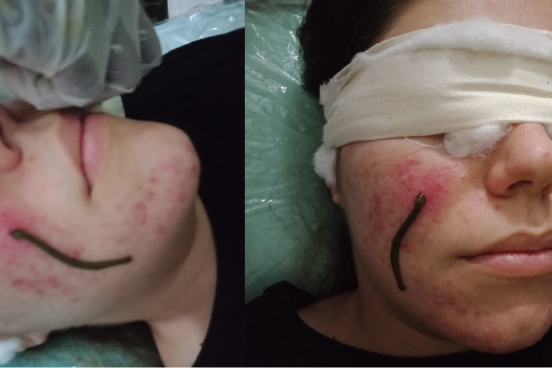
ප්රච්චන්න යනු අපිරිසිදු රුධිරය මුදා හැරීම සඳහා නහර හෝ ධමනි සිදුරු කිරීමයි. සිරා ව්යාධ යනු නූතන රුධිර වහන ශිල්පීය ක්රමවලට සමාන නමුත් ආයුර්වේද දර්ශනයට අනුකූලව කුඩා නහර කැපීම් ඇතුළත් වේ. ජලෞක කූඩැල්ලන්ගේ චිකිත්සාව භාවිතා කරයි, එය ජෛව ක්රියාකාරී සංයෝග සමඟ රුධිරය උරා ගනී. ඇලබු සම මත කෝප්ප භාවිතා කර රික්තයක් නිර්මාණය කරයි, අපිරිසිදු රුධිරය පිටතට ඇද දමයි. මෙම ක්රම ඒවායේ ප්රවේශය සහ ක්රියාකාරී ක්රම වලින් වෙනස් වේ.
රක්තමෝක්ෂන ප්රතිකාර කළ හැක්කේ කුමන තත්වයන්ටද?
රක්තමෝක්ෂණ යනු සමේ රෝග (දද, සමේ රෝග), සන්ධි ගැටළු (ආතරයිටිස්, රක්තවාතය), රුධිර සංසරණ ගැටළු (අධි රුධිර පීඩනය, නහර ඉදිමීම) සහ පරිවෘත්තීය ආබාධ (දියවැඩියාව, තරබාරුකම) වැනි තත්වයන් සඳහා ප්රයෝජනවත් වේ.
රක්තමෝක්ෂනය ආරක්ෂිතද?
පුහුණුව ලත් ආයුර්වේද වෛද්යවරුන් විසින් සිදු කරන විට, රක්තමෝක්ෂණ සම්පූර්ණයෙන්ම ආරක්ෂිතයි. කෙසේ වෙතත්, එය සෑම කෙනෙකුටම සුදුසු නොවේ, විශේෂයෙන් රක්තහීනතාවය, රුධිර වහන ආබාධ හෝ දුර්වල ප්රතිශක්තිය වැනි තත්වයන් ඇති අයට.
රක්තමෝක්ෂණ චිකිත්සාව කොපමණ වාරයක් සිදු කළ යුතුද?
රක්තමෝක්ෂණ චිකිත්සාවේ වාර ගණන පුද්ගල සෞඛ්ය අවශ්යතා සහ ආයුර්වේද වෛද්යවරයාගේ නිර්දේශ මත වෙනස් විය හැකිය. නිශ්චිත තත්වයන් සඳහා අවශ්ය පරිදි එක් වරකදී හෝ වරින් වර බහු වාර ගණනකදී සිදු කළ හැකිය.
රක්තමෝක්ෂන වල අතුරු ආබාධ තියෙනවද?
රක්තමෝක්ෂන වල අතුරු ආබාධ අතරට ප්රතිකාර කරන ස්ථානයේ තාවකාලික අපහසුතාවයක්, තැලීම් හෝ මෘදු වේදනාවක් ඇතුළත් විය හැකිය. කෙසේ වෙතත්, පාලිත පරිසරයක දක්ෂ වෘත්තිකයන් විසින් සිදු කරන විට බරපතල සංකූලතා දුර්ලභ වේ.
ප්රතිකාර කිරීමෙන් පසු යම් නිශ්චිත සත්කාර උපදෙස් මා අනුගමනය කළ යුතුද?
ඔව්, ඔබේ ආයුර්වේද වෛද්යවරයා විසින් සපයනු ලබන ප්රතිකාරයෙන් පසු සත්කාර උපදෙස් අනුගමනය කිරීම ඉතා වැදගත් වේ. මෙය Pashcat කර්ම ලෙස හඳුන්වන අතර හොඳම ප්රතිඵල සහතික කිරීම සඳහා ප්රදේශයේ ඇඳුම් ඇඳීම, ඇතැම් ආහාර නිර්දේශ, ජීවන රටා ගැලපීම් සහ ඕනෑම පසු විපරම් හමුවීම් ඇතුළත් වේ.
Is leech therapy safe, and where do the leeches come from?
Leech therapy can be safe when performed by a qualified practitioner using medically appropriate, hygienically maintained leeches. The leeches should come from a reliable, regulated medical source and should be used according to proper infection-control protocols. They should never be collected from ponds, rivers, or other natural water sources for therapeutic use.
How is the right type of Raktamokshana (leech, incision, cupping, venesection) chosen for a patient?
The type of Raktamokshana is selected after assessing the patient's condition, symptoms, affected area, overall health, and treatment requirements. Leech therapy, incision-based bloodletting, cupping, or venesection may be considered differently depending on the clinical situation and the practitioner's assessment. The procedure is not chosen solely based on the disease name and should be performed only when clinically appropriate.
Does Raktamokshana hurt, and is any anesthesia used?
The level of discomfort depends on the type of Raktamokshana performed and the treatment area. Leech therapy and cupping usually cause mild discomfort, while procedures involving a controlled incision or venesection may cause brief pain or a stinging sensation. Local anesthesia is not routinely required, although appropriate pain-management measures may be considered depending on the procedure and individual needs.
How much blood is typically removed during a session?
The amount of blood removed during Raktamokshana is not fixed and depends on the procedure, treatment area, patient's health, and therapeutic objective. A qualified practitioner determines the appropriate amount while taking precautions to avoid excessive blood loss. The procedure should be stopped or modified when sufficient blood has been removed or if the patient develops symptoms such as dizziness or weakness.
Is Raktamokshana part of a standalone treatment, or always combined with Panchakarma?
Raktamokshana can be performed as a standalone Ayurvedic procedure when it is considered appropriate for the patient's condition. It is also classified among the classical Panchakarma-related cleansing procedures and may be included within a broader Panchakarma treatment plan. Not every patient undergoing Raktamokshana needs to undergo all other Panchakarma procedures.
How soon can I see improvement in skin or joint symptoms after Raktamokshana?
The time to notice improvement varies according to the condition being treated, its severity, and the individual's response to treatment. Some patients may experience changes in local pain, swelling, or discomfort relatively soon after the procedure, while others may require additional sessions or supportive treatment. Raktamokshana should be considered part of a personalised treatment plan rather than a procedure with a guaranteed or fixed timeline for results.
Can Raktamokshana interact with blood-thinning medications?
Yes, Raktamokshana can increase the risk of bleeding in people taking blood-thinning or anticoagulant medicines. Medicines such as warfarin, apixaban, rivaroxaban, aspirin, or other antiplatelet drugs should be disclosed to the practitioner before treatment. These medicines should never be stopped or adjusted on one's own, and the suitability of Raktamokshana should be assessed with the treating healthcare professional.