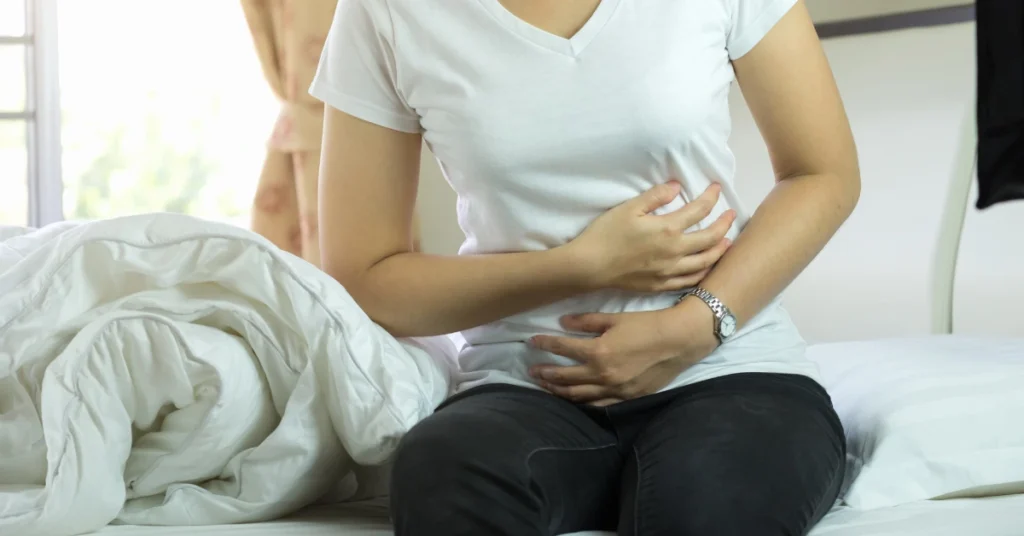
Constipation

Table of Contents

Introduction

Constipation is something most people go through at some point. It usually presents as difficulty passing stool or having less frequent bowel movements. Some people ignore it at first. But when it starts repeating or dragging on for weeks, it becomes more than just a small issue. That’s when people start thinking about chronic constipation treatment.
In simple terms, it’s not just about how often you go. It’s also about how easy or difficult it feels. From both a clinical and Ayurveda view, constipation often reflects how digestion and daily routine are going.

What are the Causes?

When people ask why constipation happens, the answer is usually hidden in everyday habits. Stool moves slowly through the intestine in many of these cases. As it slows down, more water gets absorbed, and it becomes hard. Some of the common constipation causes seen in practice:

  • not drinking enough water throughout the day
  • meals that are low in fibre, especially when most food is processed
  • irregular eating; some days too late, some days skipped
  • long sitting hours with very little movement

And then there are smaller things that quietly add up. Ignoring the urge to pass stool. Disturbed sleep. Skipping proper hydration. Lack of physical movement. Holding in stress without release.

From an Ayurveda side, this is often linked to Vata imbalance. Vata tends to dry things up when it increases. That dryness shows up in the bowel. Another factor is Agnimandya, or low digestion. When digestion slows, the whole process becomes sluggish, including bowel movement.

What are the Symptoms?

Constipation does not look the same for everyone. For some, it is very clear. For others, it is more of a daily discomfort. Common symptoms include:

  • hard or dry stool
  • going less frequently than usual
  • straining during bowel movement

Some people don’t say “constipation,” but they describe it differently.

A feeling of not being clear. Heaviness that stays in the abdomen. Sometimes even a reduced appetite. When these continue for a while, it may be part of a chronic constipation problem, and that’s when people start looking for proper chronic constipation treatment.
It is also often seen along with Irritable Bowel Syndrome, and in some cases, frequent straining can lead to piles (haemorrhoids).

Insurance Backed

Precision Ayurveda
Medical Care

Diagnosis is usually simple to begin with. Most of the time, it starts with understanding routine — eating habits, water intake, activity level, and bowel pattern. Tests are not always needed in the beginning. But they may be required if symptoms stay for a long time or if there is pain, bleeding, or a sudden change.
In Ayurveda, the focus is slightly different. It looks at digestion (Agni), bowel nature, and dosha balance. Often, Vata plays a major role here.

Ayurveda Treatment for Constipation

Ayurveda does not look at constipation or Vibandha as just something to “clear”. The idea is to correct the system slowly. This approach becomes important in long-standing cases where people are searching for chronic constipation treatment. Treatment usually focuses on:

  • improving digestion (Agni)
  • reducing Vata
  • bringing back a more natural bowel pattern

In some cases, simple medicines are enough. In others, therapies like Panchakarma may be advised. Use of ghee or oils is also considered, especially when dryness is obvious. The approach is usually gradual. Not instant relief, but more stable results.

Home Remedies

There are a few simple home remedies for constipation that people commonly try. Some of them do help, especially when followed regularly.

  • warm water in the morning
  • adding fruits or vegetables more consistently, not just once in a while
  • a small amount of ghee in meals
  • soaked raisins or figs taken over a few days

But along with this, habits matter just as much. Not ignoring the urge. Moving around during the day. Eating at somewhat regular times. These small things often explain why constipation happens in the first place.

When to Seek the Doctors

Constipation can be simple, but not always. It is better to seek medical advice if:

  • it continues for a few weeks
  • there is pain or bleeding
  • bowel habits change suddenly

If it becomes a regular pattern or starts affecting appetite and comfort, it may need proper chronic constipation treatment. Also, when it is linked with piles or Irritable Bowel Syndrome, it should not be ignored.

Conclusion

Constipation is common, but it is not something to keep adjusting to. In many cases, it comes down to routine — food, water, sleep, and movement. From an Ayurveda point of view, Vata imbalance and Agnimandya are often involved. Understanding why constipation happens helps in correcting it early. Simple changes can make a difference in the beginning. But if it continues, it is better to look at proper chronic constipation treatment instead of managing it on and off.

FAQs

What causes chronic constipation?
Chronic constipation is usually caused by a combination of factors such as a low-fibre diet, not drinking enough water, lack of physical activity, or stress. In some cases, long-term constipation can also be caused by certain medications or underlying health problems, such as thyroid problems or digestive disorders.
How long is too long for constipation?
Constipation becomes a concern if a person does not have a bowel movement for more than three to four days. If the problem continues for several weeks or happens frequently, it is considered chronic and may require medical attention.
What foods help relieve constipation?
Foods that are rich in fibre improve digestion and relieve constipation. Fruits like papaya, apples, and pears, along with vegetables such as spinach and broccoli, are especially beneficial. Whole grains like oats and brown rice also support healthy bowel movements, and drinking enough water is equally important.
When should I consult a doctor?
You should consult a doctor if constipation lasts more than two weeks, causes severe pain or discomfort, or is accompanied by symptoms such as blood in the stool or unexplained weight loss. These signs may indicate a more serious underlying condition.
Can lifestyle changes help with constipation?
Yes, lifestyle changes play a major role in managing constipation. Drinking adequate water, staying physically active, eating a fibre-rich diet, and following a regular bathroom routine can significantly improve bowel movements and overall digestive health.
Is it safe to use laxatives regularly?
Laxatives can provide temporary relief from constipation, but they should not be used regularly without medical advice. Overuse may lead to dependency and can worsen the condition over time instead of improving it.

REFERENCES

Singh SK, Rajoria K. Ayurvedic management of chronic constipation in Hirschsprung disease – A case study. J Ayurveda Integr Med. 2018 Apr-Jun;9(2):131-135. doi: 10.1016/j.jaim.2017.11.004. Epub 2018 May 29. PMID: 29853328; PMCID: PMC6033722. Available from: external link

Exploration Of Herbs to Overcome the Constipation. (2025). African Journal of Biomedical Research, 28(3S), 83-93. Available from: external link
Parwe S, Tikale S, Shrivastav P, Nisargandha M. A Critical Review on Formulations Used in the Management of Malavstambha (Constipation). Journal of Pharmaceutical Research International. 2021;33(34A):92–100. doi: 10.9734/jpri/2021/v33i34A31828. Available from: external link
Ramesh PR, Suresh Kumar K, Rajagopal MR, Balachandran P, Warrier PK. Managing Morphine-Induced Constipation: A Controlled Comparison of an Ayurvedic Formulation and Senna. Journal of Pain and Symptom Management. 1998;16(4):240-244. ISSN 0885-3924. Available from: external link
Singhal P. A clinical study to evaluate the efficacy of combined effect of Ayurvedic drugs and Basti in the management of constipation-predominant irritable bowel syndrome vis-à-vis Pakwashayagatavata. Journal of Ayurveda and Holistic Medicine (JAHM). 2021;4(1). Available from: external link
Did the information meet your needs?

As we work hard to improve our services, your feedback is important to us. Please take a moment to help us serve you better.

Stay Connected to Health and Wellness

Subscribe to our hospital newsletter for the latest health tips, updates on services, patient stories, and community events. Sign up today and stay informed!

Homepage B RCB

Please fill out the form below to Request a call back

Patient details

Select Preferred Center

Last updated on:

Do you have concerns with the content?

Report Problem

Table of Contents

Last updated on:

Do you have concerns with the content?

Report Problem

Popular Searches: DiseasesTreatmentsDoctorsHospitalsWhole person careRefer a patientInsurance

Hours of Operation:
8am – 8pm (Mon-Sat)
8am – 5pm (Sun)

Follow Apollo AyurVAID hospitals

We’d Love to Hear from You!

Feedback form(disease page)

Can we help?

Something wrong with our medical content?
 
Report Problem form