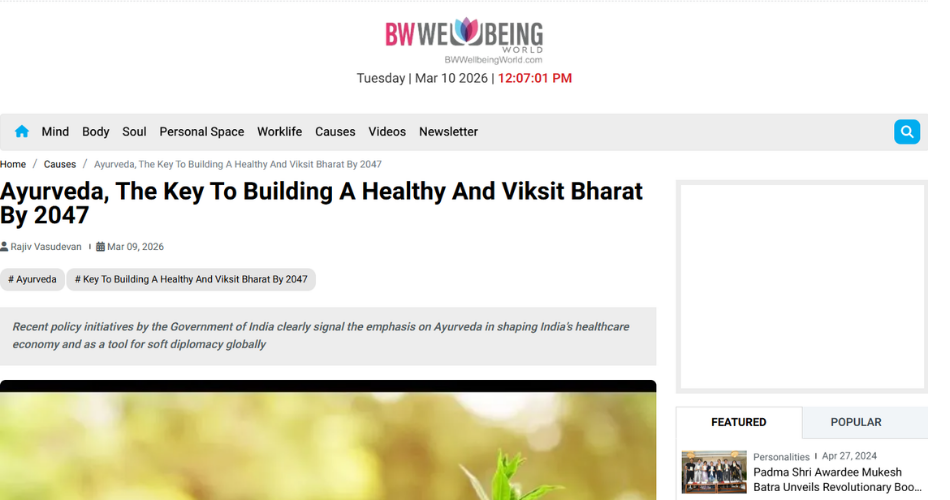
Ayurveda, The Key To Building A Healthy And Viksit Bharat By 2047
Consistent with the pluralistic and integrative vision of the National Health Policy-2017, Ayurveda today plays a significant role in India’s public health strategy. The Indian Ayush market is projected to grow from US$ 43.3 billion in 2024 to US$ 200 billion by 2030, building on the foundation of an exponential 8X growth over the last decade.
Ayurveda is emerging as a significant parallel medical system in India’s healthcare economy by virtue of its large base of over 419,000 qualified doctors and a vibrant products and services sector. With a 20.1 per cent increase in FY27 budget allocations (over FY26 RE) for the Ministry of Ayush to Rs. 4,408 crore, the Government of India is firmly backing the sector, reflected in its integration across national health programmes. Effective integrative healthcare models, public-private partnership models, payer-level enablement and research are key to scaling Ayurveda care to make it available, accessible and affordable.
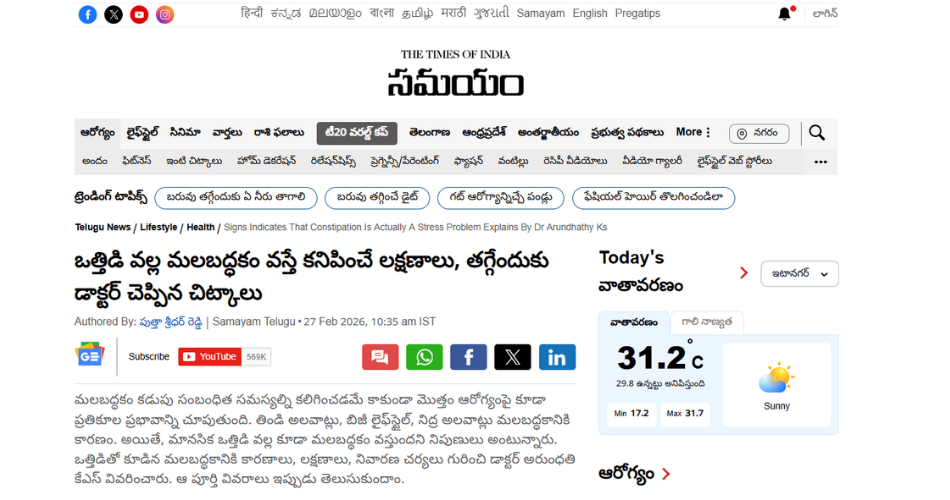
Symptoms of stress-induced constipation, and tips from a doctor to help relieve them
Constipation not only causes stomach problems but also has a negative impact on overall health. Eating habits, busy lifestyle, and sleeping habits are the causes of constipation. However, experts say that mental stress can also cause constipation. Dr. Arundhati KS explains the causes, symptoms, and preventive measures of stress-related constipation. Let’s know the full details now.
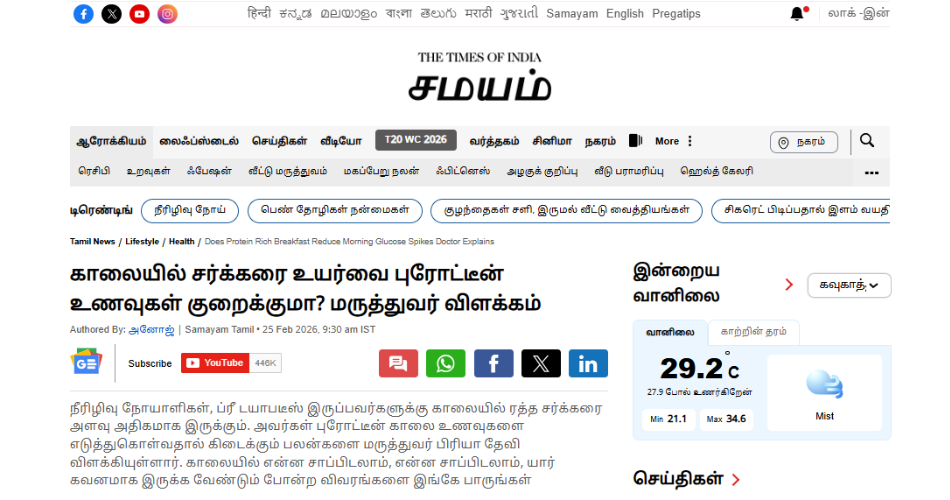
Can protein foods reduce morning sugar spikes? Doctor explains
High blood sugar levels in the morning are a problem faced by many people. It is especially common in people with pre-diabetes, type 2 diabetes, insulin resistance, and excess abdominal fat.
Can increasing protein in breakfast help control sugar spikes? We reached out to Dr. Priya Devi, Senior Physician at Apollo AyurVAID Hospital. Here are her details.
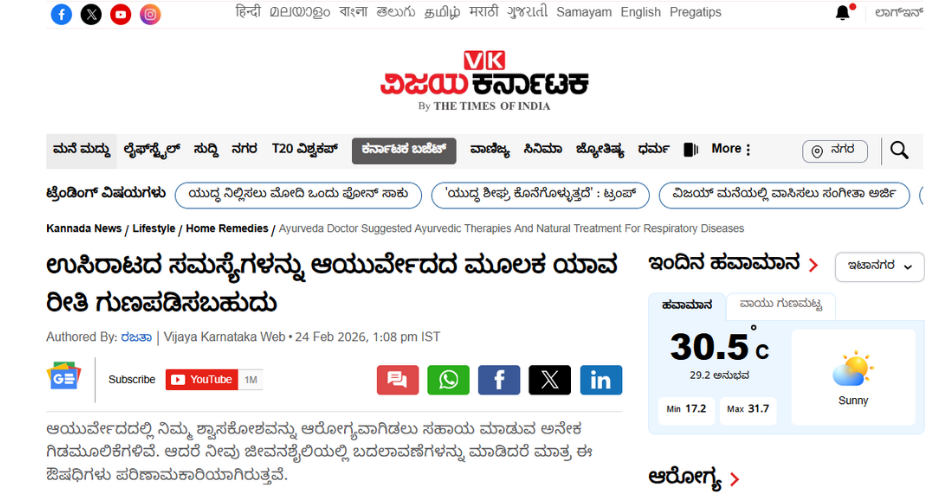
Various respiratory diseases, from allergies to acute and chronic respiratory diseases, are on the rise due to many factors including air quality pollution, poor lifestyle and stress. Such problems can affect daily life and quality of life and can result in long-term diseases. Lung infections can cause breathing difficulties and lead to problems like asthma or cough. Let us know here how to cure respiratory problems with the help of Ayurveda.
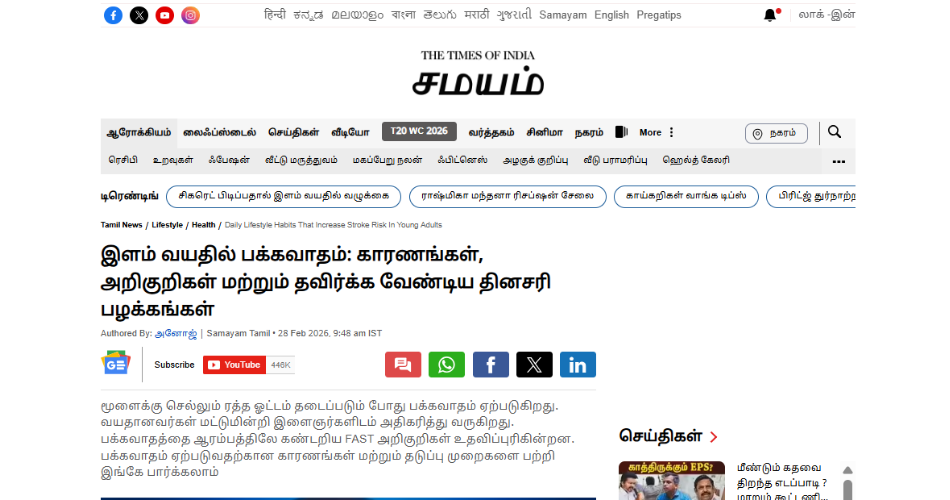
Stroke in young people: Causes, symptoms and daily habits to avoid
Dr. Sushmita Chandran, Senior Medical Consultant, Apollo AyurVAID, said:
“Stroke is no longer considered a disease of the elderly. It is also increasing in young people. Our daily lifestyles are a major cause of this,” he says.
What is a stroke?
A stroke occurs when the blood flow to the brain is suddenly interrupted. There are two types of stroke:
Ischemic stroke – blockage of blood flow to the brain due to a blood clot
Hemorrhagic stroke – bleeding caused by a ruptured blood vessel
Although high blood pressure, diabetes, high cholesterol, smoking, and obesity are the main causes, current daily habits increase the risk to the same extent.
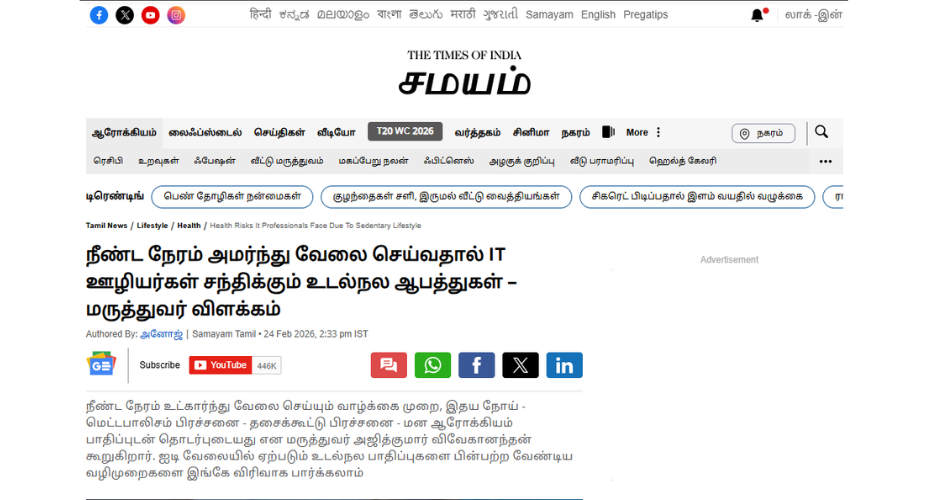
Health risks faced by IT workers due to sitting for long hours – Doctor explains
IT professionals are increasingly spending 8 to 14 hours a day sitting in front of a computer. Working without breaks, lack of physical activity, and poor sitting habits in a work-from-home environment are all taking a toll on their health.
Speaking about this, Dr. Ajithkumar Vivekanandan, Chief Associate Physician at Apollo AyurVAID Hospital, said, “A sedentary lifestyle is becoming a factor that can affect many body systems. Dr. Ajith Kumar has explained the major health problems faced by IT workers. They are as follows: 1) Spine and musculoskeletal problems
are health consequences of sitting for long periods of time with poor posture.
Lower back pain
Neck pain
Joint wear and tear
Muscle spasm
Cervical (or) lumbar spondylosis
This effect increases especially when working from home and not using a comfortable chair and table.
2) Metabolic disorders
A sedentary lifestyle slows down the metabolic process and causes fat accumulation. Fat can accumulate especially in the abdominal area
. Common risks
Fatty liver disease
Type 2 diabetes
PCOS
Hormonal imbalance
Cardiovascular disease risk
3) Digestive and urinary problems
are increasing hidden health problems among IT workers.
Constipation
Hemorrhoids
Kidney stones
Anal fissure
Urinary tract infections
3) Mental health impacts:
Work pressure and excessive screen time affect mental health.
Memory loss
Difficulty sleeping
Being isolated from society
Burn-out syndrome
4) Eye problems
: Looking at a computer screen for long periods of time increases the risk of digital eye strain.
How ayurveda supports body’s defences against neurodegeneration
India is witnessing a silent neurological shift—a stroke every three minutes, a doubling of Parkinson’s cases, and dementia in the 40s and 50s. These numbers point to a deeper truth. Brain health cannot rely solely on emergency interventions or imaging; it demands metabolic stability, daily rhythm, digestive governance and personalised prevention. Ayurveda brings this perspective through agni (innate metabolism), ama (inflammation) and swasthya (good health). It has consistently supported better vitality and functional gains in stroke rehabilitation while helping slow down the trajectory of Parkinson’s and dementia by aligning diet, lifestyle and individualised treatment.
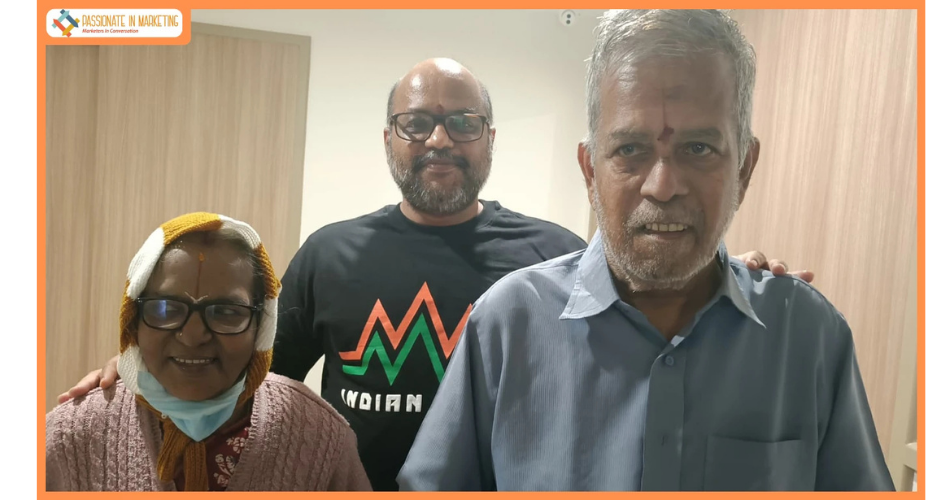
Apollo AyurVAID revives 78-Year-Old patient from Comatose State through Precision Ayurveda intervention
Bangalore, 09 February 2026: Apollo AyurVAID Hospitals, India’s leading NABH-accredited, precision Ayurveda hospital network, today reported a significant clinical recovery in a 78-year-old patient, Mr. Vishwanatham G, who was presented to them in a comatose condition with severe respiratory distress, persistent fever, and neurological weakness, after conventional intensive care had reached its limits.
Mr. Vishwanatham was admitted to Apollo AyurVAID after two weeks of continuous fever, severe cough with copious throat secretions, breathing difficulty, and marked weakness of the right upper and lower limbs. Prior to this, he had been treated at an allopathic hospital, where his condition deteriorated, necessitating ICU care. Despite intravenous antibiotics, fluids, antiepileptics, nebulisation, and supportive management, he developed severe dehydration, drowsiness, and an inability to swallow even liquids. His clinical state had worsened to the point where the family was preparing for the end-of-life arrangements.
Budget 2026: Govt bets big on Ayurveda, proposes 3 new All India Institutes and global research push
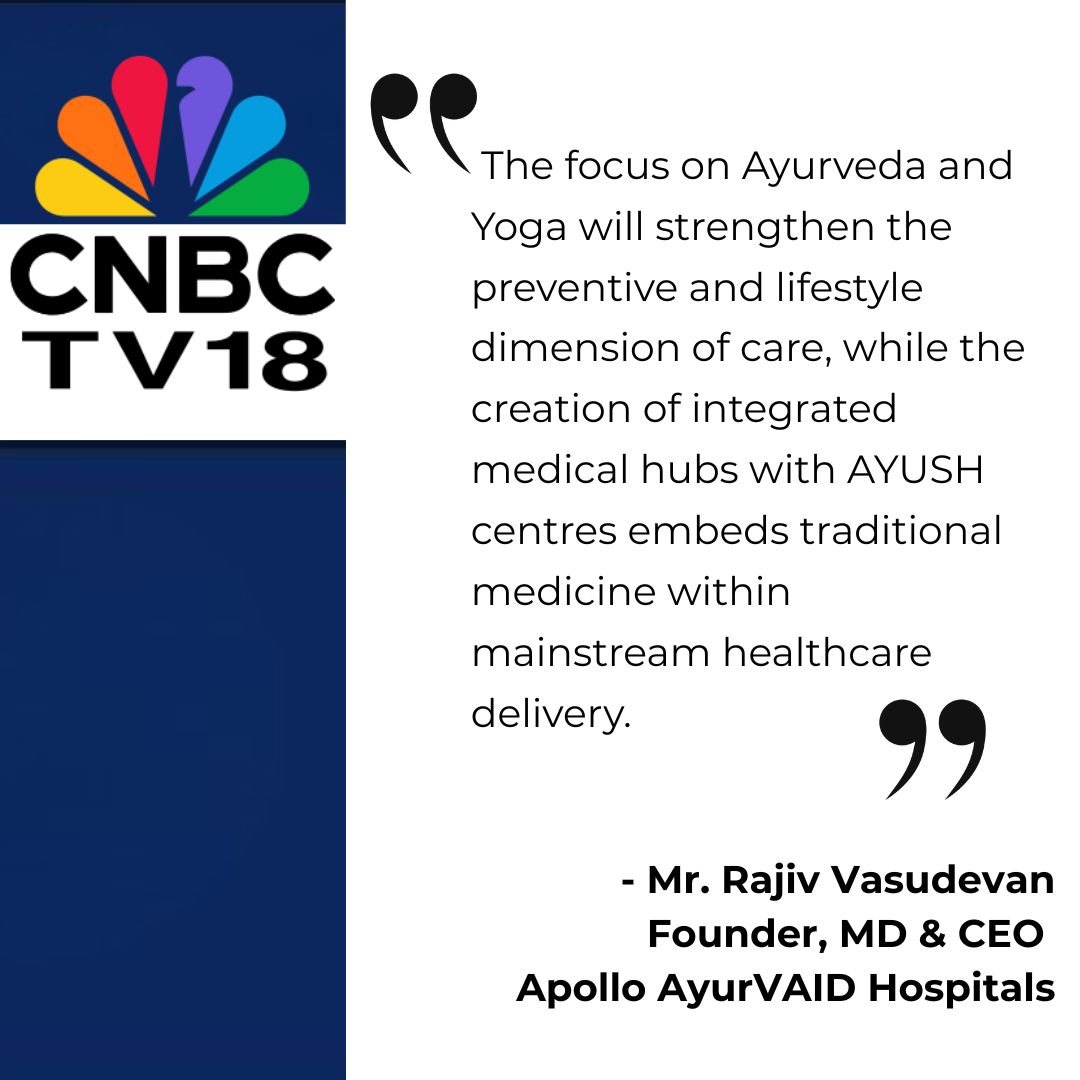
The Union Budget 2026-2027, presented by the Hon. Finance Minister Nirmala Sitharaman, marks a significant step forward for Ayurveda and AYUSH, with a clear focus on scale, credibility, and integration. Our Founder & CEO, Mr. Rajiv Vasudevan, noted that the Budget takes a structural view of healthcare, acknowledging that India’s rising burden of non-communicable diseases cannot be addressed through any single system of medicine and requires an integrative approach. He highlighted that the renewed focus on Ayurveda and Yoga strengthens the preventive and lifestyle dimensions of care, while initiatives such as integrated medical hubs with AYUSH centres help embed traditional medicine within mainstream healthcare delivery. He further added that investments in institutions, research infrastructure, and skilled capacity signal a clear shift towards evidence-based validation and global credibility, reinforcing Ayurveda’s role within India’s public health strategy.
A rebuttal addressing the conflation of the integration of two disparate medical curricula with two disparate medical systems in recent debates on Āyurveda and Allopathy, by our Founder and CEO, Mr. Rajiv Vasudevan
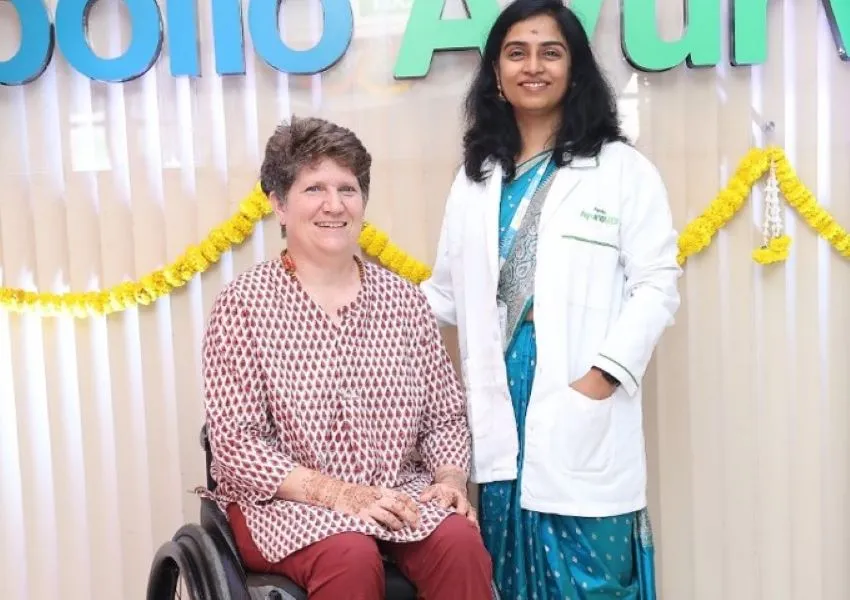
Apollo AyurVAID Hospitals today shared the documented functional recovery of Karen, an aspiring Paralympic archer living with multiple sclerosis (MS) for nearly three decades. She arrived at the hospital earlier this year with over twenty years of near-complete dependence on a wheelchair. Karen had persistent chronic pain, weakness, and gait imbalance, and had been advised that no additional clinical interventions were likely to improve her mobility. While training in Chennai, Karen sought to explore whether a structured Ayurveda approach could help restore her mobility, improve muscle strength and overall function. She consulted Dr Susmitha C, a specialist in neurological and autoimmune conditions at Apollo AyurVAID Hospitals, and enrolled in a rigorous Precision Ayurveda programme.
Dementia India Alliance inks MoU with Apollo AyurVAID Hospitals
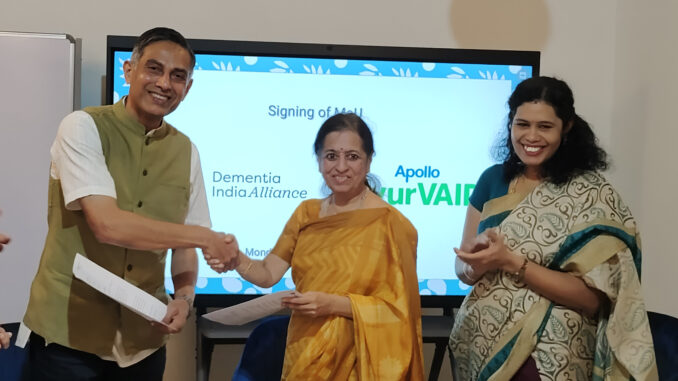
Dementia India Alliance (DIA), a national, NGO dedicated to promoting awareness, advocacy, and care for people living with dementia, and Apollo AyurVAID Hospitals, India’s leading Precision Ayurveda hospital network under the Apollo Hospitals Group, have joined hands to advance integrative dementia care and awareness in India.
The collaboration aims to address the growing public health challenge posed by dementia by combining DIA’s expertise in care, community engagement and advocacy with Apollo AyurVAID’s clinical leadership in precision Ayurveda and integrative medicine. Together, the two organisations will work towards creating awareness that encourages timely medical help, facilitates early diagnosis, and better management of the condition.
With India’s elderly population expected to reach 319 million by 2050, accounting for one-fifth of the total population, the country faces a mounting public health challenge. According to industry estimates, about 7.4 per cent of Indians aged 60 and above are affected by dementia which is nearly 88 lakh people today – a number projected to rise to 1.7 crore by 2036.
Early and accurate diagnosis is the cornerstone of effective care, yet nearly 90 per cent of those living with dementia in India remain undiagnosed due to the limited availability of memory clinics, a critical gap that must be bridged to enable timely intervention and support. The increasing prevalence of risk factors associated with dementia — such as diabetes, hypertension, and more than 14 other modifiable factors — underscores the urgent need for proactive risk reduction and early intervention strategies.
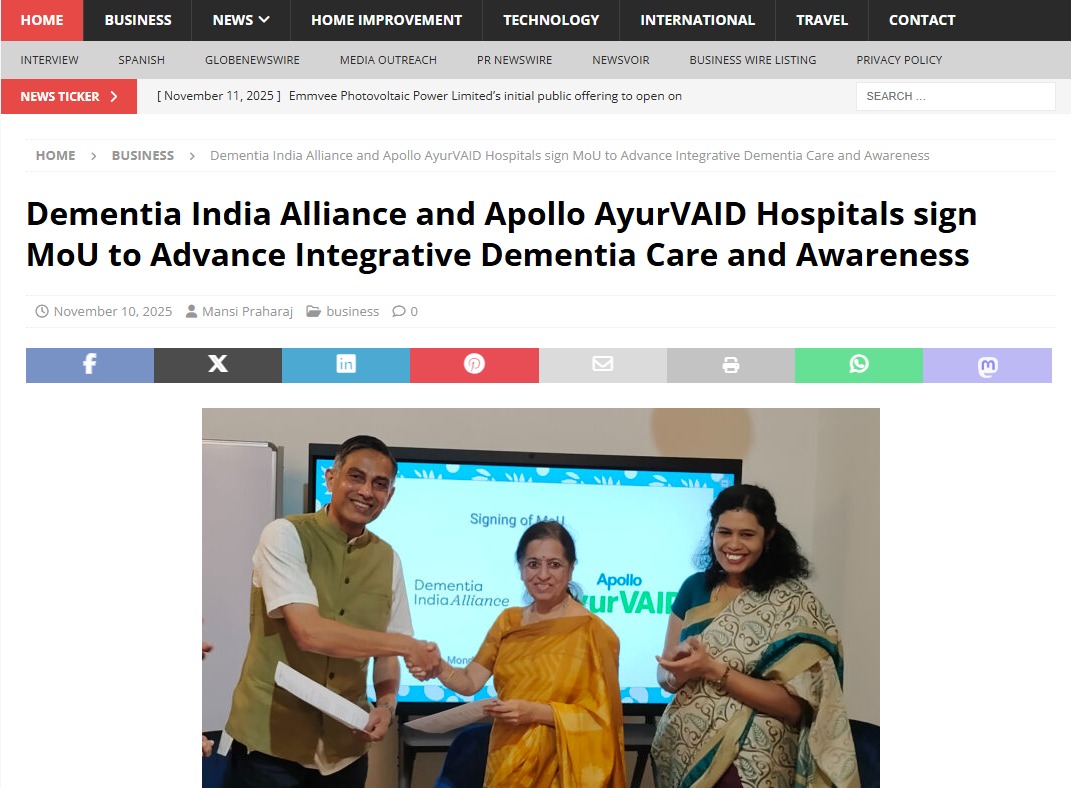
Dementia India Alliance and Apollo AyurVAID Hospitals sign MoU to Advance Integrative Dementia Care and Awareness
Mumbai, 10 November 2025: Dementia India Alliance (DIA), a national, NGO dedicated to promoting awareness, advocacy, and care for people living with dementia, and Apollo AyurVAID Hospitals, India’s leading Precision Ayurveda hospital network under the Apollo Hospitals Group, have joined hands to advance integrative dementia care and awareness in India. The collaboration aims to address the growing public health challenge posed by dementia by combining DIA’s expertise in care, community engagement and advocacy with Apollo AyurVAID’s clinical leadership in precision Ayurveda and integrative medicine. Together, the two organizations will work towards creating awareness that encourages timely medical help, facilitates early diagnosis, and better management of the condition.
With India’s elderly population expected to reach 319 million by 2050, accounting for one-fifth of the total population, the country faces a mounting public health challenge. According to industry estimates, about 7.4 per cent of Indians aged 60 and above are affected by dementia which is nearly 88 lakh people today – a number projected to rise to 1.7 Crore by 2036. Early and accurate diagnosis is the cornerstone of effective care, yet nearly 90 per cent of those living with dementia in India remain undiagnosed due to the limited availability of memory clinics, a critical gap that must be bridged to enable timely intervention and support. The increasing prevalence of risk factors associated with dementia — such as diabetes, hypertension, and more than 14 other modifiable factors — underscores the urgent need for proactive risk reduction and early intervention strategies… In this context, the MoU between Dementia India Alliance and Apollo AyurVAID Hospitals marks a crucial step forward integrating evidence-based Ayurveda protocols with sustained community advocacy to advance early detection, prevention, and holistic management of dementia in India’s ageing population.
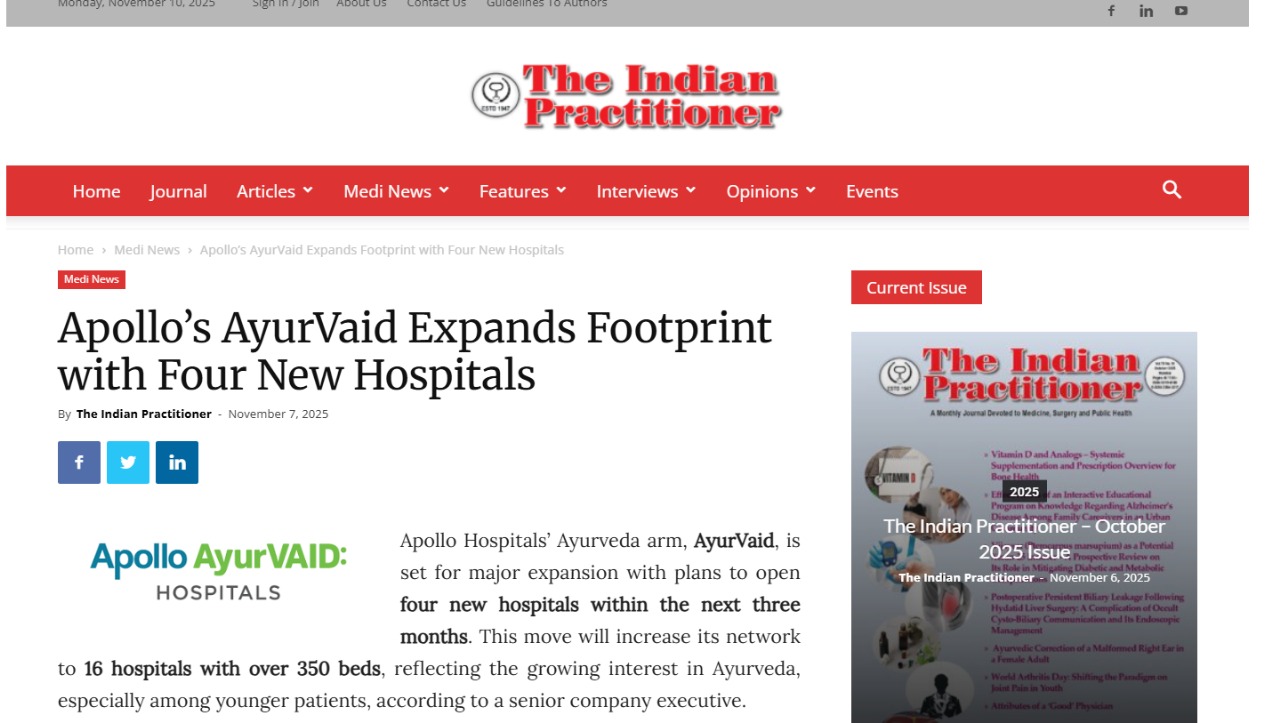
Apollo’s AyurVaid Expands Footprint with Four New Hospitals
Apollo Hospitals’ Ayurveda arm, AyurVaid, is set for major expansion with plans to open four new hospitals within the next three months. This move will increase its network to 16 hospitals with over 350 beds, reflecting the growing interest in Ayurveda, especially among younger patients, according to a senior company executive.
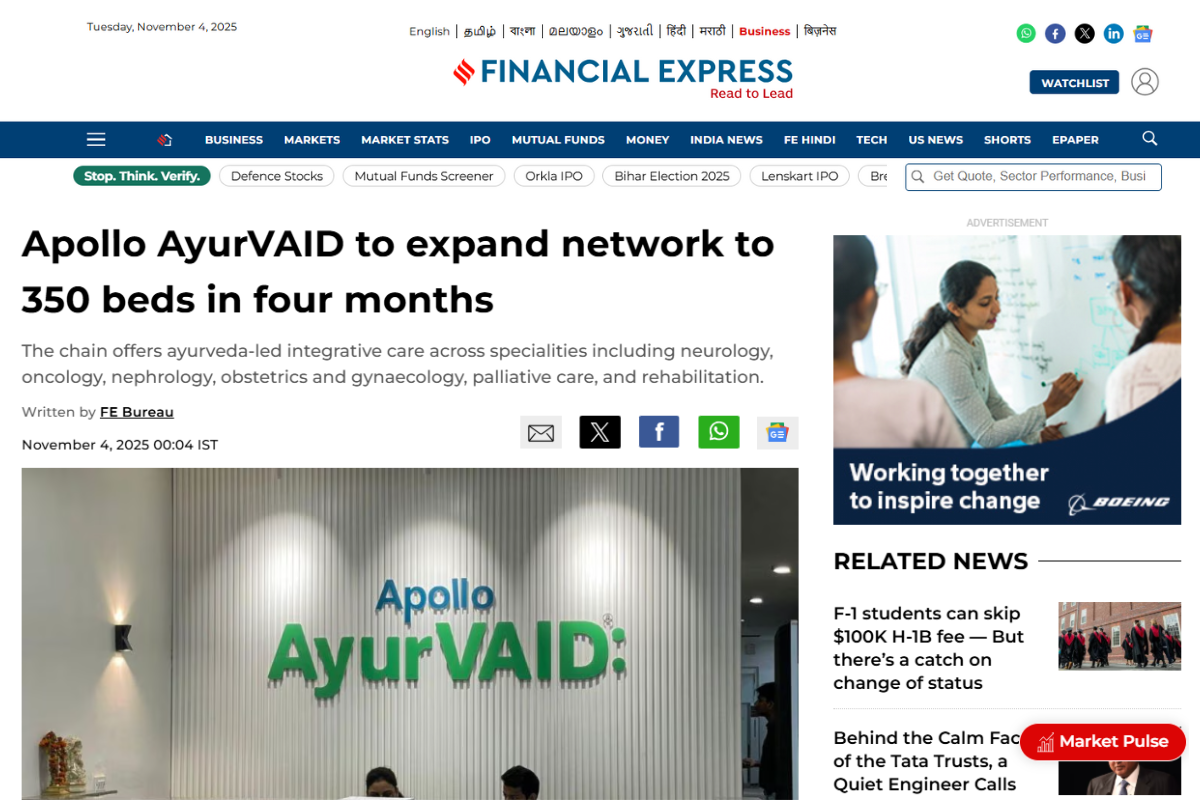
Apollo AyurVAID to expand network to 350 beds in four months
Healthcare major Apollo Hospitals is planning to add four new facilities to its precision ayurveda healthcare arm, Apollo AyurVAID Hospitals, expanding the network to 350 beds over the next three to four months. The move comes as the group bets on the country’s growing demand for ayurveda-based in-patient and out-patient care.
Apollo AyurVAID Hospitals on Monday opened a 35-bed facility in Chennai. “We will not stop with one or two centres. We are trying to create a network that is fully integrated with the Apollo ecosystem. It will also be open to any healthcare provider that meets our standards of quality and care,” said Preetha Reddy, executive vice chairperson, Apollo Hospitals Enterprise, and chairperson, Apollo AyurVAID.
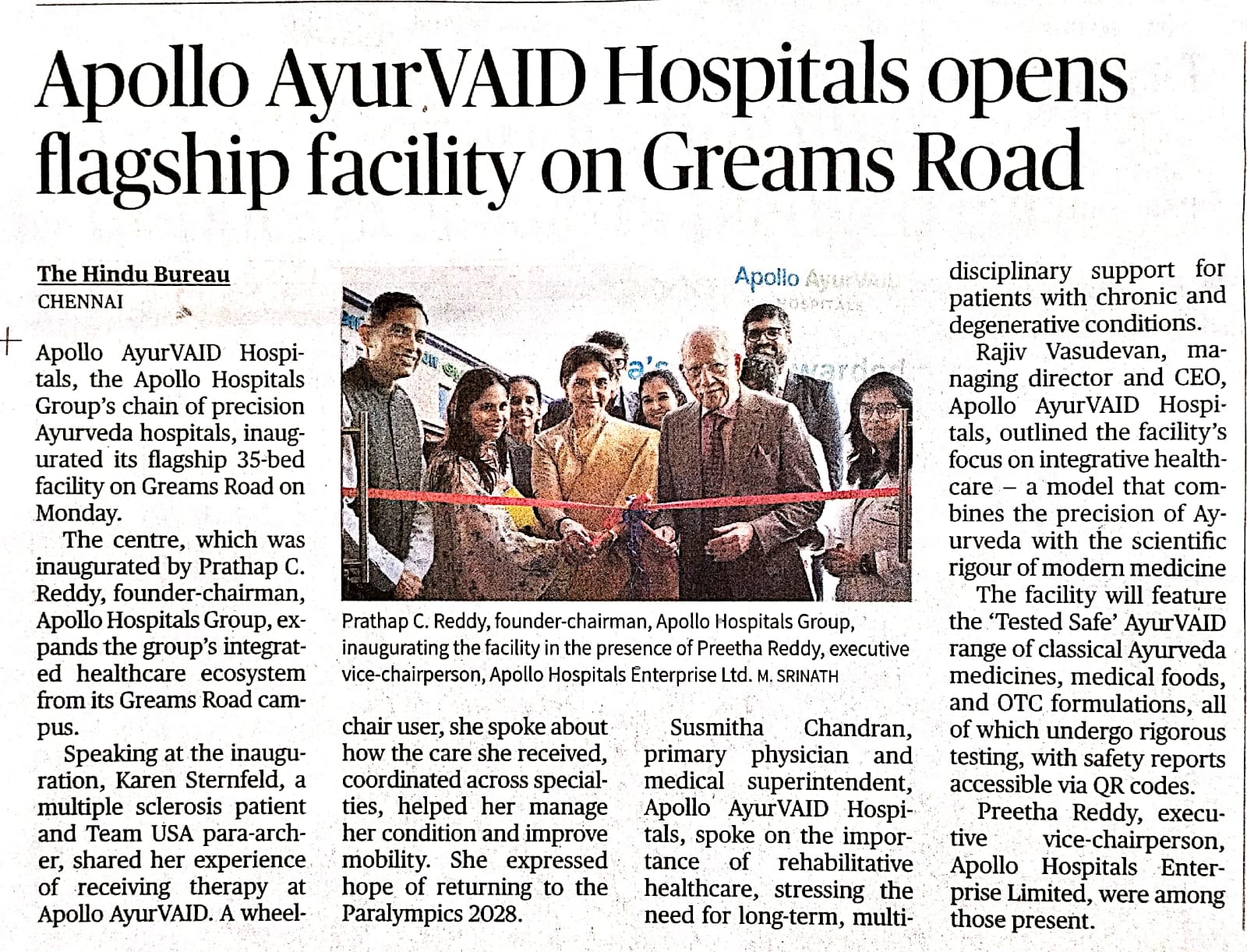
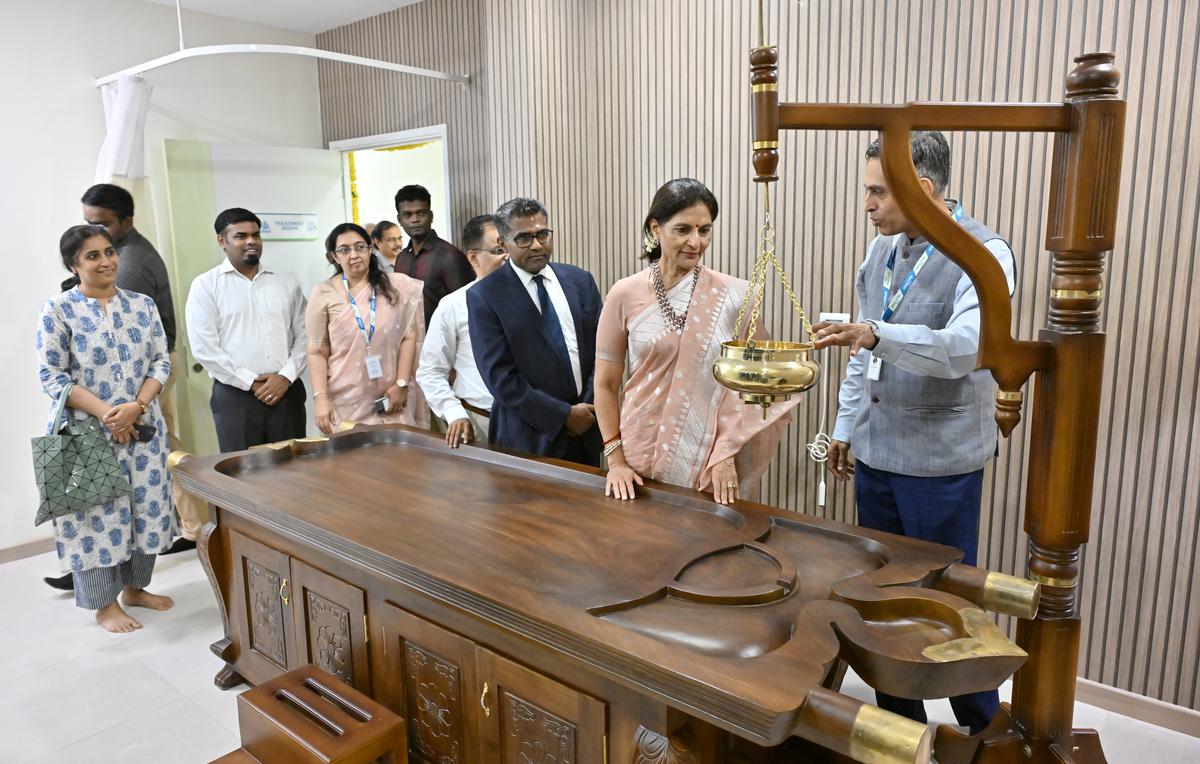
Apollo Ayur VAID Hospitals opens flagship facility on Greams Road
Apollo AyurVAID Hospitals, the Apollo Hospitals Group’s chain of precision Ayurveda hospitals, inaugurated its flagship 35-bed facility on Greams Road on Monday. The centre, which was inaugurated by Prathap C. Reddy, founder-chairman, Apollo Hospitals Group, expands the group’s integrated healthcare ecosystem from its Greams Road campus. Speaking at the inauguration, Karen Sternfeld, a multiple sclerosis patient and Team USA para archer, shared her experience of receiving therapy at Apollo AyurVAID.
Apollo AyurVAID Hospitals forays into Telangana with launch of AyurVAID HCAH Centre for Precision Ayurveda and Integrative Medicine
Hyderabad : Apollo AyurVAID Hospitals, an Apollo Hospitals Group Company, India’s biggest network of precision Ayurveda hospitals, today announced its entry into Telangana with the launch of the “AyurVAID HCAH Centre for Precision Ayurveda and Integrative Medicine” in partnership with HCAH SuVitas, India’s largest network of single specialty recovery hospitals chain, at Somajiguda, Hyderabad.
The centre specializes in integrative rehabilitation and recovery for patients with complex, chronic, and degenerative conditions. Designed as a multidisciplinary centre of excellence, AyurVAID HCAH offers specialized and personalised treatment across Neurology and Neurodegenerative Disorders, Musculoskeletal Disorders- in particular patients suffering from traumatic brain injury, cerebrovascular accident/stroke, motor-neuron disease, in addition to patients post total-knee replacement or hip-replacement surgery, among others. Often the patients have a complex metabolic, inflammatory, immune-response health status with compromised cardiac, respiratory, kidney function compounded by non-healing wounds, bed-sores, etc. In addition, they have severe functional, quality-of-life deficits across sleep, appetite, bowels, micturition, anxiety-depression, vitality and energy levels. In particular, focus shall be on paediatric developmental disorders and geriatric care- at two ends of the age spectrum.
Apollo AyurVAID to expand pan India in FY26 By the end of FY26, the company aims to expand its network to 18 hospitals, and 1 clinic The bed strength will nearly double from the current 185 to 350 in this year It is aiming to reach 1,000 beds by 2028
Apollo AyurVAID announces foray into the Ayurveda product segment
AyurVAID on Wednesday announced its foray into the Ayurveda product segment with a capital outlay of Rs 15 crore, which will help the company cross Rs 500 crore revenue in the next five years.
This foray into the new vertical not only complements the inpatient-outpatient care model but also opens scalable revenue opportunities and reinforces the vision of mainstreaming evidence-based Ayurveda services and products by making it accessible globally, Apollo AyurVAID founder, MD and CEO Rajiv Vasudevan said in a statement.
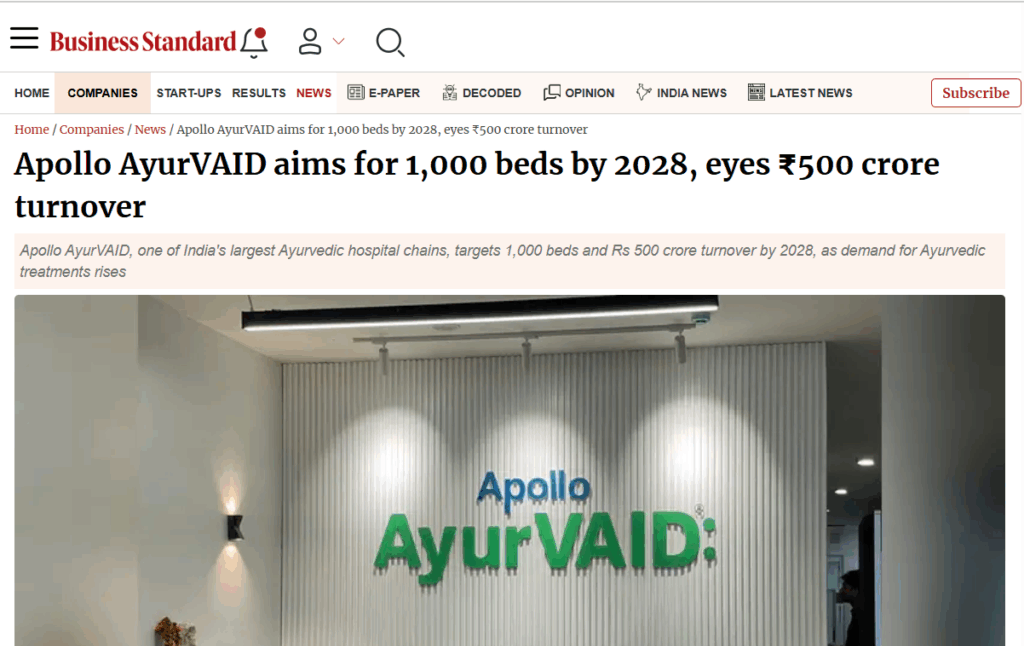
Apollo AyurVAID aims for 1,000 beds by 2028, eyes ₹500 crore turnover
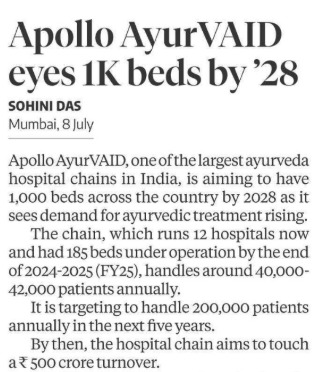
Apollo AyurVAID, one of the largest Ayurvedic hospital chains in India, aims to have 1,000 beds across the country by 2028, as it sees demand for Ayurvedic treatment rising. The chain, which currently operates 12 hospitals and had 185 beds in operation by the end of FY25, handles around 40,000-42,000 patients annually. It is targeting 200,000 patients annually in the next five years, by which time the hospital chain aims to reach a *500 crore turnover.
Apollo AyurVAID, one of the largest Ayurvedic hospital chains in India, aims to have 1,000 beds across the country by 2028, as it sees demand for Ayurvedic treatment rising.
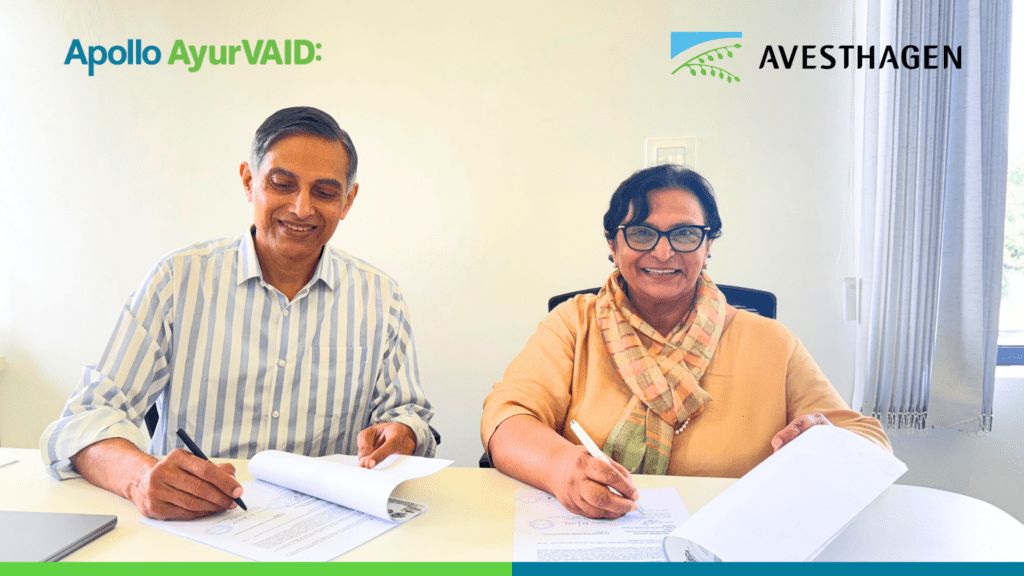
Avesthagen, Apollo AyurVAID announce strategic partnership
Avesthagen Limited and Apollo AyurVAID Announce Strategic Partnership- To Develop and Market “AvestaAyurVAID” Scientifically Validated Medical Foods and Dietary Supplements. The products will be marketed under AvestaAyurVAID brand
AyurVAID Hospitals Receives QAI Accreditation for its Transition Care Centre
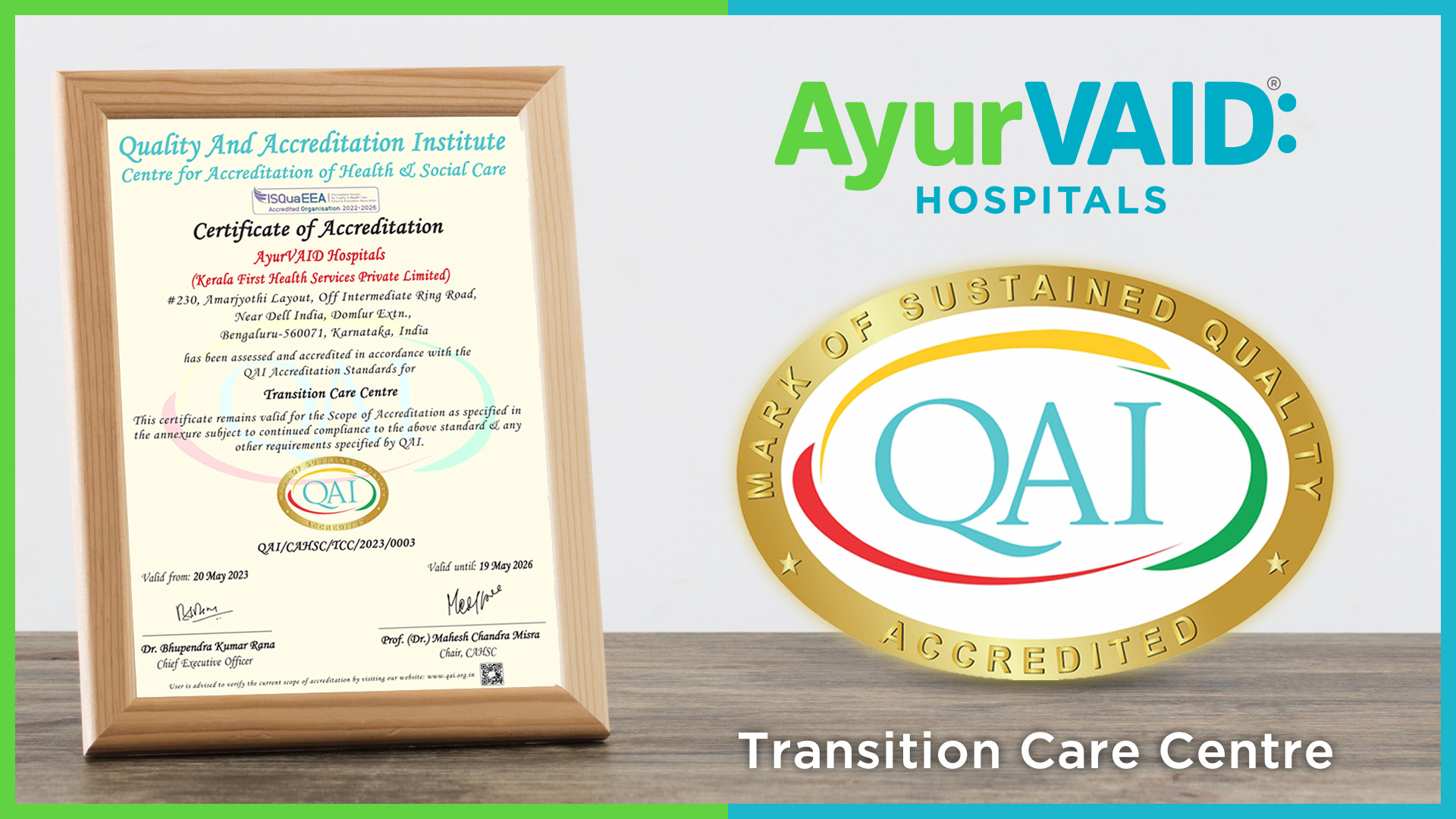
AyurVAID Hospitals Domlur, Bengaluru, set another historic milestone on May 20, on May 20, 2023, by becoming the 1st & only Ayurveda hospital to be accredited by the “Quality and Accreditation Institute (QAI), Centre for Accreditation of Health & Social Care” under the Transition Care Centre (TCC) Standard. QAI is India’s first and only accreditation organization to provide Transition Care Centre (TCC) certification for healthcare.
Health insurance rules: AYUSH Treatment coverage to match conventional care?
Insurance Regulatory and Development Authority of India (IRDAI) instructs insurers to provide equal coverage for AYUSH treatments. AYUSH includes Ayurveda, Yoga, Unani, Siddha, and Homeopathy therapies. Insurers must establish policies, modify products, and ensure quality standards for AYUSH coverage.
AYUSH sector has surged to USD 24 billion in 10 years: AYUSH Ministry Secretary
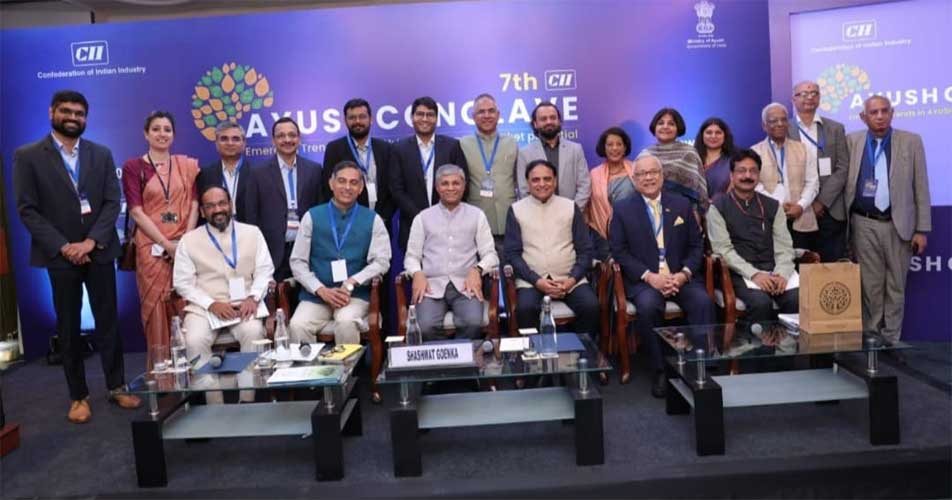
The conclave highlighted measures for positioning AYUSH products in global marketplace, demand generation and future scope. It also witnessed discussions on the role of AYUSH in achieving universal health coverage, the entrepreneurship ecosystem of the sector and modern-day perspective on AYUSH.
IRDAI asks insurers to give coverage for AYUSH in health insurance policies
The Insurance Regulatory and Development Authority of India (IRDAI) asked general insurance companies to have board-approved policy guidelines for AYUSH coverage and give policyholders an option to choose a treatment of their choice. The guidelines will be effective from April 1, 2024.
Emerging trends in AYUSH: Unleashing the market potential” at India Habitat Centre, New Delhi
The conclave highlighted measures for positioning AYUSH products in global marketplace, demand generation and future scope. It also witnessed discussions on the role of AYUSH in achieving universal health coverage, the entrepreneurship ecosystem of the sector and modern-day perspective on AYUSH.
Ayurveda, The Key To Building A Healthy And Viksit Bharat By 2047
Consistent with the pluralistic and integrative vision of the National Health Policy-2017, Ayurveda today plays a significant role in India’s public health strategy. The Indian Ayush market is projected to grow from US$ 43.3 billion in 2024 to US$ 200 billion by 2030, building on the foundation of an exponential 8X growth over the last decade.
Ayurveda is emerging as a significant parallel medical system in India’s healthcare economy by virtue of its large base of over 419,000 qualified doctors and a vibrant products and services sector. With a 20.1 per cent increase in FY27 budget allocations (over FY26 RE) for the Ministry of Ayush to Rs. 4,408 crore, the Government of India is firmly backing the sector, reflected in its integration across national health programmes. Effective integrative healthcare models, public-private partnership models, payer-level enablement and research are key to scaling Ayurveda care to make it available, accessible and affordable.
Symptoms of stress-induced constipation, and tips from a doctor to help relieve them
Constipation not only causes stomach problems but also has a negative impact on overall health. Eating habits, busy lifestyle, and sleeping habits are the causes of constipation. However, experts say that mental stress can also cause constipation. Dr. Arundhati KS explains the causes, symptoms, and preventive measures of stress-related constipation. Let’s know the full details now.
Can protein foods reduce morning sugar spikes? Doctor explains
High blood sugar levels in the morning are a problem faced by many people. It is especially common in people with pre-diabetes, type 2 diabetes, insulin resistance, and excess abdominal fat.
Can increasing protein in breakfast help control sugar spikes? We reached out to Dr. Priya Devi, Senior Physician at Apollo AyurVAID Hospital. Here are her details.
Various respiratory diseases, from allergies to acute and chronic respiratory diseases, are on the rise due to many factors including air quality pollution, poor lifestyle and stress. Such problems can affect daily life and quality of life and can result in long-term diseases. Lung infections can cause breathing difficulties and lead to problems like asthma or cough. Let us know here how to cure respiratory problems with the help of Ayurveda.
Stroke in young people: Causes, symptoms and daily habits to avoid
Dr. Sushmita Chandran, Senior Medical Consultant, Apollo AyurVAID, said:
“Stroke is no longer considered a disease of the elderly. It is also increasing in young people. Our daily lifestyles are a major cause of this,” he says.
What is a stroke?
A stroke occurs when the blood flow to the brain is suddenly interrupted. There are two types of stroke:
Ischemic stroke – blockage of blood flow to the brain due to a blood clot
Hemorrhagic stroke – bleeding caused by a ruptured blood vessel
Although high blood pressure, diabetes, high cholesterol, smoking, and obesity are the main causes, current daily habits increase the risk to the same extent.
Health risks faced by IT workers due to sitting for long hours – Doctor explains
IT professionals are increasingly spending 8 to 14 hours a day sitting in front of a computer. Working without breaks, lack of physical activity, and poor sitting habits in a work-from-home environment are all taking a toll on their health.
Speaking about this, Dr. Ajithkumar Vivekanandan, Chief Associate Physician at Apollo AyurVAID Hospital, said, “A sedentary lifestyle is becoming a factor that can affect many body systems. Dr. Ajith Kumar has explained the major health problems faced by IT workers. They are as follows: 1) Spine and musculoskeletal problems
are health consequences of sitting for long periods of time with poor posture.
Lower back pain
Neck pain
Joint wear and tear
Muscle spasm
Cervical (or) lumbar spondylosis
This effect increases especially when working from home and not using a comfortable chair and table.
2) Metabolic disorders
A sedentary lifestyle slows down the metabolic process and causes fat accumulation. Fat can accumulate especially in the abdominal area
. Common risks
Fatty liver disease
Type 2 diabetes
PCOS
Hormonal imbalance
Cardiovascular disease risk
3) Digestive and urinary problems
are increasing hidden health problems among IT workers.
Constipation
Hemorrhoids
Kidney stones
Anal fissure
Urinary tract infections
3) Mental health impacts:
Work pressure and excessive screen time affect mental health.
Memory loss
Difficulty sleeping
Being isolated from society
Burn-out syndrome
4) Eye problems
: Looking at a computer screen for long periods of time increases the risk of digital eye strain.
How ayurveda supports body’s defences against neurodegeneration
India is witnessing a silent neurological shift—a stroke every three minutes, a doubling of Parkinson’s cases, and dementia in the 40s and 50s. These numbers point to a deeper truth. Brain health cannot rely solely on emergency interventions or imaging; it demands metabolic stability, daily rhythm, digestive governance and personalised prevention. Ayurveda brings this perspective through agni (innate metabolism), ama (inflammation) and swasthya (good health). It has consistently supported better vitality and functional gains in stroke rehabilitation while helping slow down the trajectory of Parkinson’s and dementia by aligning diet, lifestyle and individualised treatment.
Apollo AyurVAID revives 78-Year-Old patient from Comatose State through Precision Ayurveda intervention
Bangalore, 09 February 2026: Apollo AyurVAID Hospitals, India’s leading NABH-accredited, precision Ayurveda hospital network, today reported a significant clinical recovery in a 78-year-old patient, Mr. Vishwanatham G, who was presented to them in a comatose condition with severe respiratory distress, persistent fever, and neurological weakness, after conventional intensive care had reached its limits.
Mr. Vishwanatham was admitted to Apollo AyurVAID after two weeks of continuous fever, severe cough with copious throat secretions, breathing difficulty, and marked weakness of the right upper and lower limbs. Prior to this, he had been treated at an allopathic hospital, where his condition deteriorated, necessitating ICU care. Despite intravenous antibiotics, fluids, antiepileptics, nebulisation, and supportive management, he developed severe dehydration, drowsiness, and an inability to swallow even liquids. His clinical state had worsened to the point where the family was preparing for the end-of-life arrangements.
Budget 2026: Govt bets big on Ayurveda, proposes 3 new All India Institutes and global research push
The Union Budget 2026-2027, presented by the Hon. Finance Minister Nirmala Sitharaman, marks a significant step forward for Ayurveda and AYUSH, with a clear focus on scale, credibility, and integration. Our Founder & CEO, Mr. Rajiv Vasudevan, noted that the Budget takes a structural view of healthcare, acknowledging that India’s rising burden of non-communicable diseases cannot be addressed through any single system of medicine and requires an integrative approach. He highlighted that the renewed focus on Ayurveda and Yoga strengthens the preventive and lifestyle dimensions of care, while initiatives such as integrated medical hubs with AYUSH centres help embed traditional medicine within mainstream healthcare delivery. He further added that investments in institutions, research infrastructure, and skilled capacity signal a clear shift towards evidence-based validation and global credibility, reinforcing Ayurveda’s role within India’s public health strategy.
A rebuttal addressing the conflation of the integration of two disparate medical curricula with two disparate medical systems in recent debates on Āyurveda and Allopathy, by our Founder and CEO, Mr. Rajiv Vasudevan
Apollo AyurVAID Hospitals today shared the documented functional recovery of Karen, an aspiring Paralympic archer living with multiple sclerosis (MS) for nearly three decades. She arrived at the hospital earlier this year with over twenty years of near-complete dependence on a wheelchair. Karen had persistent chronic pain, weakness, and gait imbalance, and had been advised that no additional clinical interventions were likely to improve her mobility. While training in Chennai, Karen sought to explore whether a structured Ayurveda approach could help restore her mobility, improve muscle strength and overall function. She consulted Dr Susmitha C, a specialist in neurological and autoimmune conditions at Apollo AyurVAID Hospitals, and enrolled in a rigorous Precision Ayurveda programme.
Dementia India Alliance inks MoU with Apollo AyurVAID Hospitals
Dementia India Alliance (DIA), a national, NGO dedicated to promoting awareness, advocacy, and care for people living with dementia, and Apollo AyurVAID Hospitals, India’s leading Precision Ayurveda hospital network under the Apollo Hospitals Group, have joined hands to advance integrative dementia care and awareness in India.
The collaboration aims to address the growing public health challenge posed by dementia by combining DIA’s expertise in care, community engagement and advocacy with Apollo AyurVAID’s clinical leadership in precision Ayurveda and integrative medicine. Together, the two organisations will work towards creating awareness that encourages timely medical help, facilitates early diagnosis, and better management of the condition.
With India’s elderly population expected to reach 319 million by 2050, accounting for one-fifth of the total population, the country faces a mounting public health challenge. According to industry estimates, about 7.4 per cent of Indians aged 60 and above are affected by dementia which is nearly 88 lakh people today – a number projected to rise to 1.7 crore by 2036.
Early and accurate diagnosis is the cornerstone of effective care, yet nearly 90 per cent of those living with dementia in India remain undiagnosed due to the limited availability of memory clinics, a critical gap that must be bridged to enable timely intervention and support. The increasing prevalence of risk factors associated with dementia — such as diabetes, hypertension, and more than 14 other modifiable factors — underscores the urgent need for proactive risk reduction and early intervention strategies.
Dementia India Alliance and Apollo AyurVAID Hospitals sign MoU to Advance Integrative Dementia Care and Awareness
Mumbai, 10 November 2025: Dementia India Alliance (DIA), a national, NGO dedicated to promoting awareness, advocacy, and care for people living with dementia, and Apollo AyurVAID Hospitals, India’s leading Precision Ayurveda hospital network under the Apollo Hospitals Group, have joined hands to advance integrative dementia care and awareness in India. The collaboration aims to address the growing public health challenge posed by dementia by combining DIA’s expertise in care, community engagement and advocacy with Apollo AyurVAID’s clinical leadership in precision Ayurveda and integrative medicine. Together, the two organizations will work towards creating awareness that encourages timely medical help, facilitates early diagnosis, and better management of the condition.
With India’s elderly population expected to reach 319 million by 2050, accounting for one-fifth of the total population, the country faces a mounting public health challenge. According to industry estimates, about 7.4 per cent of Indians aged 60 and above are affected by dementia which is nearly 88 lakh people today – a number projected to rise to 1.7 Crore by 2036. Early and accurate diagnosis is the cornerstone of effective care, yet nearly 90 per cent of those living with dementia in India remain undiagnosed due to the limited availability of memory clinics, a critical gap that must be bridged to enable timely intervention and support. The increasing prevalence of risk factors associated with dementia — such as diabetes, hypertension, and more than 14 other modifiable factors — underscores the urgent need for proactive risk reduction and early intervention strategies… In this context, the MoU between Dementia India Alliance and Apollo AyurVAID Hospitals marks a crucial step forward integrating evidence-based Ayurveda protocols with sustained community advocacy to advance early detection, prevention, and holistic management of dementia in India’s ageing population.
Apollo’s AyurVaid Expands Footprint with Four New Hospitals
Apollo Hospitals’ Ayurveda arm, AyurVaid, is set for major expansion with plans to open four new hospitals within the next three months. This move will increase its network to 16 hospitals with over 350 beds, reflecting the growing interest in Ayurveda, especially among younger patients, according to a senior company executive.
Apollo AyurVAID to expand network to 350 beds in four months
Healthcare major Apollo Hospitals is planning to add four new facilities to its precision ayurveda healthcare arm, Apollo AyurVAID Hospitals, expanding the network to 350 beds over the next three to four months. The move comes as the group bets on the country’s growing demand for ayurveda-based in-patient and out-patient care.
Apollo AyurVAID Hospitals on Monday opened a 35-bed facility in Chennai. “We will not stop with one or two centres. We are trying to create a network that is fully integrated with the Apollo ecosystem. It will also be open to any healthcare provider that meets our standards of quality and care,” said Preetha Reddy, executive vice chairperson, Apollo Hospitals Enterprise, and chairperson, Apollo AyurVAID.
Apollo Ayur VAID Hospitals opens flagship facility on Greams Road
Apollo AyurVAID Hospitals, the Apollo Hospitals Group’s chain of precision Ayurveda hospitals, inaugurated its flagship 35-bed facility on Greams Road on Monday. The centre, which was inaugurated by Prathap C. Reddy, founder-chairman, Apollo Hospitals Group, expands the group’s integrated healthcare ecosystem from its Greams Road campus. Speaking at the inauguration, Karen Sternfeld, a multiple sclerosis patient and Team USA para archer, shared her experience of receiving therapy at Apollo AyurVAID.
Apollo AyurVAID Hospitals forays into Telangana with launch of AyurVAID HCAH Centre for Precision Ayurveda and Integrative Medicine
Hyderabad : Apollo AyurVAID Hospitals, an Apollo Hospitals Group Company, India’s biggest network of precision Ayurveda hospitals, today announced its entry into Telangana with the launch of the “AyurVAID HCAH Centre for Precision Ayurveda and Integrative Medicine” in partnership with HCAH SuVitas, India’s largest network of single specialty recovery hospitals chain, at Somajiguda, Hyderabad.
The centre specializes in integrative rehabilitation and recovery for patients with complex, chronic, and degenerative conditions. Designed as a multidisciplinary centre of excellence, AyurVAID HCAH offers specialized and personalised treatment across Neurology and Neurodegenerative Disorders, Musculoskeletal Disorders- in particular patients suffering from traumatic brain injury, cerebrovascular accident/stroke, motor-neuron disease, in addition to patients post total-knee replacement or hip-replacement surgery, among others. Often the patients have a complex metabolic, inflammatory, immune-response health status with compromised cardiac, respiratory, kidney function compounded by non-healing wounds, bed-sores, etc. In addition, they have severe functional, quality-of-life deficits across sleep, appetite, bowels, micturition, anxiety-depression, vitality and energy levels. In particular, focus shall be on paediatric developmental disorders and geriatric care- at two ends of the age spectrum.
తెలంగాణలోకి అపోలో ఆయుర్వేద్.. హైదరాబాద్లో ఇంటిగ్రేటివ్ మెడిసిన్ కేంద్రం
ఖచ్చితత్వం, సమగ్రతతో కూడిన ఆయుర్వేద చికిత్స అందించేందుకు అపోలో AyurVAID హాస్పిటల్స్ తెలంగాణలోకి ప్రవేశించింది. భారతదేశంలోనే అతిపెద్ద రికవరీ హాస్పిటల్స్ చైన్ అయిన HCAH సువిటాస్తో భాగస్వామ్యం కుదుర్చుకుంది. హైదరాబాద్లోని సోమాజిగూడలో తమ తొలి “AyurVAID HCAH సెంటర్ ఫర్ ప్రెసిషన్ ఆయుర్వేద అండ్ ఇంటిగ్రేటివ్ మెడిసిన్” ను ప్రారంభించినట్లు కంపెనీ మంగళవారం ప్రకటించింది. ఈ కేంద్రం ముఖ్యంగా ఇంటిగ్రేటివ్ న్యూరో రిహాబిలిటేటివ్ కేర్లో నిపుణత చూపిస్తుంది. సంక్లిష్ట, దీర్ఘకాలిక, క్షీణించిన అనారోగ్యాలతో బాధపడే రోగులకు సమగ్ర రీహాబిలిటేషన్, రికవరీ సేవలు అందిస్తుంది.
Apollo AyurVAID to expand pan India in FY26 By the end of FY26, the company aims to expand its network to 18 hospitals, and 1 clinic The bed strength will nearly double from the current 185 to 350 in this year It is aiming to reach 1,000 beds by 2028
Apollo AyurVAID announces foray into the Ayurveda product segment
AyurVAID on Wednesday announced its foray into the Ayurveda product segment with a capital outlay of Rs 15 crore, which will help the company cross Rs 500 crore revenue in the next five years.
This foray into the new vertical not only complements the inpatient-outpatient care model but also opens scalable revenue opportunities and reinforces the vision of mainstreaming evidence-based Ayurveda services and products by making it accessible globally, Apollo AyurVAID founder, MD and CEO Rajiv Vasudevan said in a statement.
Apollo AyurVAID aims for 1,000 beds by 2028, eyes ₹500 crore turnover
Apollo AyurVAID, one of the largest Ayurvedic hospital chains in India, aims to have 1,000 beds across the country by 2028, as it sees demand for Ayurvedic treatment rising. The chain, which currently operates 12 hospitals and had 185 beds in operation by the end of FY25, handles around 40,000-42,000 patients annually. It is targeting 200,000 patients annually in the next five years, by which time the hospital chain aims to reach a *500 crore turnover.
Apollo AyurVAID, one of the largest Ayurvedic hospital chains in India, aims to have 1,000 beds across the country by 2028, as it sees demand for Ayurvedic treatment rising.
Health insurance rules: AYUSH Treatment coverage to match conventional care?
Insurance Regulatory and Development Authority of India (IRDAI) instructs insurers to provide equal coverage for AYUSH treatments. AYUSH includes Ayurveda, Yoga, Unani, Siddha, and Homeopathy therapies. Insurers must establish policies, modify products, and ensure quality standards for AYUSH coverage.
AYUSH sector has surged to USD 24 billion in 10 years: AYUSH Ministry Secretary
The conclave highlighted measures for positioning AYUSH products in global marketplace, demand generation and future scope. It also witnessed discussions on the role of AYUSH in achieving universal health coverage, the entrepreneurship ecosystem of the sector and modern-day perspective on AYUSH.
IRDAI asks insurers to give coverage for AYUSH in health insurance policies
The Insurance Regulatory and Development Authority of India (IRDAI) asked general insurance companies to have board-approved policy guidelines for AYUSH coverage and give policyholders an option to choose a treatment of their choice. The guidelines will be effective from April 1, 2024.
Emerging trends in AYUSH: Unleashing the market potential” at India Habitat Centre, New Delhi
The conclave highlighted measures for positioning AYUSH products in global marketplace, demand generation and future scope. It also witnessed discussions on the role of AYUSH in achieving universal health coverage, the entrepreneurship ecosystem of the sector and modern-day perspective on AYUSH.
Apollo AyurVAID to expand network to 350 beds in four months
Healthcare major Apollo Hospitals is planning to add four new facilities to its precision ayurveda healthcare arm, Apollo AyurVAID Hospitals, expanding the network to 350 beds over the next three to four months. The move comes as the group bets on the country’s growing demand for ayurveda-based in-patient and out-patient care.
Apollo AyurVAID Hospitals on Monday opened a 35-bed facility in Chennai. “We will not stop with one or two centres. We are trying to create a network that is fully integrated with the Apollo ecosystem. It will also be open to any healthcare provider that meets our standards of quality and care,” said Preetha Reddy, executive vice chairperson, Apollo Hospitals Enterprise, and chairperson, Apollo AyurVAID.
Apollo Ayur VAID Hospitals opens flagship facility on Greams Road
Apollo AyurVAID Hospitals, the Apollo Hospitals Group’s chain of precision Ayurveda hospitals, inaugurated its flagship 35-bed facility on Greams Road on Monday. The centre, which was inaugurated by Prathap C. Reddy, founder-chairman, Apollo Hospitals Group, expands the group’s integrated healthcare ecosystem from its Greams Road campus. Speaking at the inauguration, Karen Sternfeld, a multiple sclerosis patient and Team USA para archer, shared her experience of receiving therapy at Apollo AyurVAID.
Avesthagen, Apollo AyurVAID announce strategic partnership
Avesthagen Limited and Apollo AyurVAID Announce Strategic Partnership- To Develop and Market “AvestaAyurVAID” Scientifically
Validated Medical Foods and Dietary Supplements. The products will be marketed under AvestaAyurVAID brand
AyurVAID Hospitals Receives QAI Accreditation for its Transition Care Centre
AyurVAID Hospitals Domlur, Bengaluru, set another historic milestone on May 20, on May 20, 2023, by becoming the 1st & only Ayurveda hospital to be accredited by the “Quality and Accreditation Institute (QAI), Centre for Accreditation of Health & Social Care” under the Transition Care Centre (TCC) Standard. QAI is India’s first and only accreditation organization to provide Transition Care Centre (TCC) certification for healthcare.