Prediabetes is often called an “iceberg” disease because what we see on the surface —symptoms of prediabetes such as occasional tiredness, a bit of weight gain, or subtle thirst—is only a small part of the full picture. I often explain it like a traffic light: prediabetes is the yellow signal — you are no longer fully in the green, but you haven’t reached the red of diabetes; it is a clear prompt to slow down, reassess, and act. Underneath, important changes in how your body handles sugar are quietly progressing. The good news? This stage is commonly reversible if we recognise and act on it early.In this blog, I’ll explain what the prediabetes symptoms are, which subtle signals to watch for, and simple, practical steps you can take now to restore balance. I’ll blend modern medical understanding with Ayurveda’s time-tested observations so you get a clear, usable plan.
What is prediabetes
Common early signals
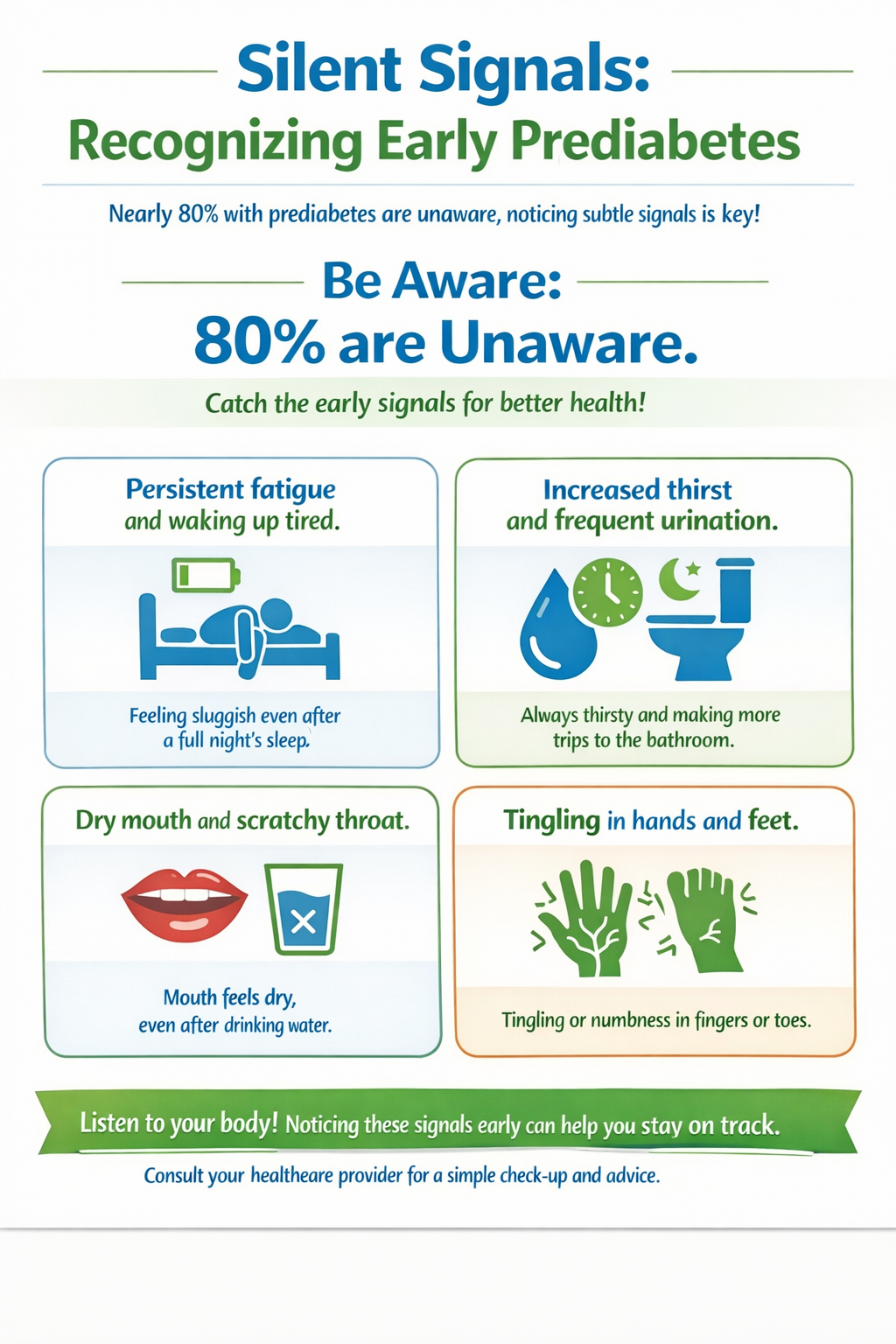
Many people feel perfectly fine, which is why nearly 80% of those with prediabetes don’t know they have it. Still, the body often sends faint signals. If you notice a few of the following, it’s worth checking:
- Persistent fatigue and lethargy – Waking up tired or feeling drained despite rest can happen because glucose is not being used efficiently for energy. In Ayurveda, this is described as ‘Alasya’ or ‘Klama’.
- Changes in urination and thirst – More frequent urination, especially at night (Nakta mootrata), and an unquenchable thirst (Trushna) are important early signs.
- Dryness of the mouth and throat – A constant dry feeling in the mouth (Mukha Shosha), even after water, can be an early clue.
- Unexplained weight gain and increased hunger – Feeling hungry soon after a meal, strong cravings for sweets, or gradually increasing weight—often reflect insulin resistance and the body’s attempts to get energy.
- Burning, numbness, or tingling in hands and feet – Early nerve symptoms like burning (Daha) or numbness (Suptata) can appear even before diabetes is diagnosed.
These are all part of what clinicians call prediabetes symptoms, and in Ayurveda many of these are included under pre diabetic stage symptoms or Purvaroopa.
Unique Ayurveda premonitory signs
- Sweetness in the mouth (a persistent sweet taste, Mukhmadhurya).
- Matting of hair (hair that tangles or becomes coarse).
- Accumulation on teeth or a film in body orifices.
- Attraction of insects — ants or flies drawn to the urine — an old but memorable observation.
Understanding Prediabetes Through Common Blood Tests
Who should be especially vigilant?
Some people have a higher risk and should be watchful for signs of prediabetes :
- Age over 45 years.
- Sedentary lifestyle.
- Parents or siblings may have a family history of diabetes.
- Women with previous gestational diabetes or delivery of a very large baby.
- Overweight, especially with abdominal fat (BMI >25 kg/m² in many populations).
- Other conditions such as high blood pressure or high cholesterol, may also play a role.
Many clinicians use the Indian Diabetes Risk Score (IDRS) — which looks at age, waist circumference, family history and activity — to help identify those at risk.
Why early action matters
If prediabetes is ignored, the risk of progressing to Type 2 diabetes is significant — studies show an annual conversion rate around 5–10%. Even modestly raised glucose levels damage small blood vessels and nerves over time, contributing to neuropathy, early retinopathy, and kidney stress. In short, the “iceberg” grows.
But here’s the most hopeful point: up to 80% of cases can be prevented from progressing with the right lifestyle and dietary changes. That’s powerful.
Practical steps you can start today
Below are safe, practical measures that help reverse prediabetes symptoms and restore metabolic health.
- Move more
Aim for at least 30 minutes of brisk walking most days. Strength training twice weekly helps preserve muscle, which improves insulin sensitivity. Small changes, such as taking stairs and short active breaks during work, add up.
- Mindful eating
Adopt a Pathya (wholesome) diet:
- Prefer whole grains such as barley (Yava) and millets over refined flours and polished rice.
- Include bitter and fibre-rich vegetables, like bitter gourd and fenugreek.
- Keep portion sizes sensible and avoid frequent grazing.
- Small weight loss, big benefits
Losing even 5–7% of body weight improves insulin sensitivity dramatically. Aim for gradual, sustainable weight loss rather than quick fixes.
- Yoga and breathing practices
Yoga postures and breathing techniques can support metabolic regulation and reduce stress, which indirectly helps blood sugar control.
- Panchakarma when indicated
For those with significant obesity or toxin accumulation, supervised purification therapies such as Vamana (therapeutic emesis) and Virechana (purgation) may help reset metabolism — but these should be done under an experienced Ayurveda doctor.

Simple checks and tests
If you notice any of the symptoms of prediabetes, please talk to your doctor about screening tests such as fasting blood glucose, HbA1c, or an oral glucose tolerance test. Early detection is the gateway to easy, effective prevention.
At Apollo AyurVAID, DSQ (Diabetes Screening Questionnaire) is a short, structured screening tool used in wellness camps and outpatient care to record risk factors and the severity of diabetes-related signs and symptoms — helping clinicians stage a person from non-diabetes to pre diabetic stage symptoms (prediabetes) or mature diabetes, so early action can be taken.
The DSQ combines simple history items (family history, activity, thirst/urination, mouth dryness, cravings, neuropathic sensations) with basic measurements (waist, BMI, random blood sugar) to flag those with prediabetes symptoms who would benefit from timely lifestyle, dietary (Pathya) advice and Ayurvedic interventions — effectively linking modern screening with Ayurveda Purvaroopa awareness so we can reverse the process before the iceberg grows.
Final words
Prediabetes is silent and get unnoticed —don’t overlook symptoms like tiredness, small changes in thirst or appetite, a persistent dry mouth, unusual taste, or sleep disturbances. Treat these whispers as signals. With awareness, simple lifestyle changes, and, when appropriate, Ayurveda support, you can often reverse these signs of prediabetes and avoid the larger iceberg beneath.
Remember: prevention is better than cure. If you’ve noticed any of the pre diabetic stage symptoms described here or if you have risk factors, book a check-up. Small steps taken today protect your years ahead.