People rarely show up at a clinic saying, “My digestion is failing.” Instead, they speak in gentle, everyday ways: “I feel sluggish after meals.” “My bowels are not regular.” “Eating late gives me heartburn.” “My skin has been acting up lately.”
These small, honest observations are how our bodies quietly communicate that something isn’t quite right. Paying attention to them can reveal a lot more than dramatic complaints ever could. Individually, these sound minor. Together, they tell a story.
Over years of clinical observation, one pattern is clear: when digestive rhythm weakens, the body adapts quietly at first. Energy drops slightly. Sleep becomes lighter. Skin grows reactive. Irritability increases. Nothing dramatic. Just a gradual shift away from balance.
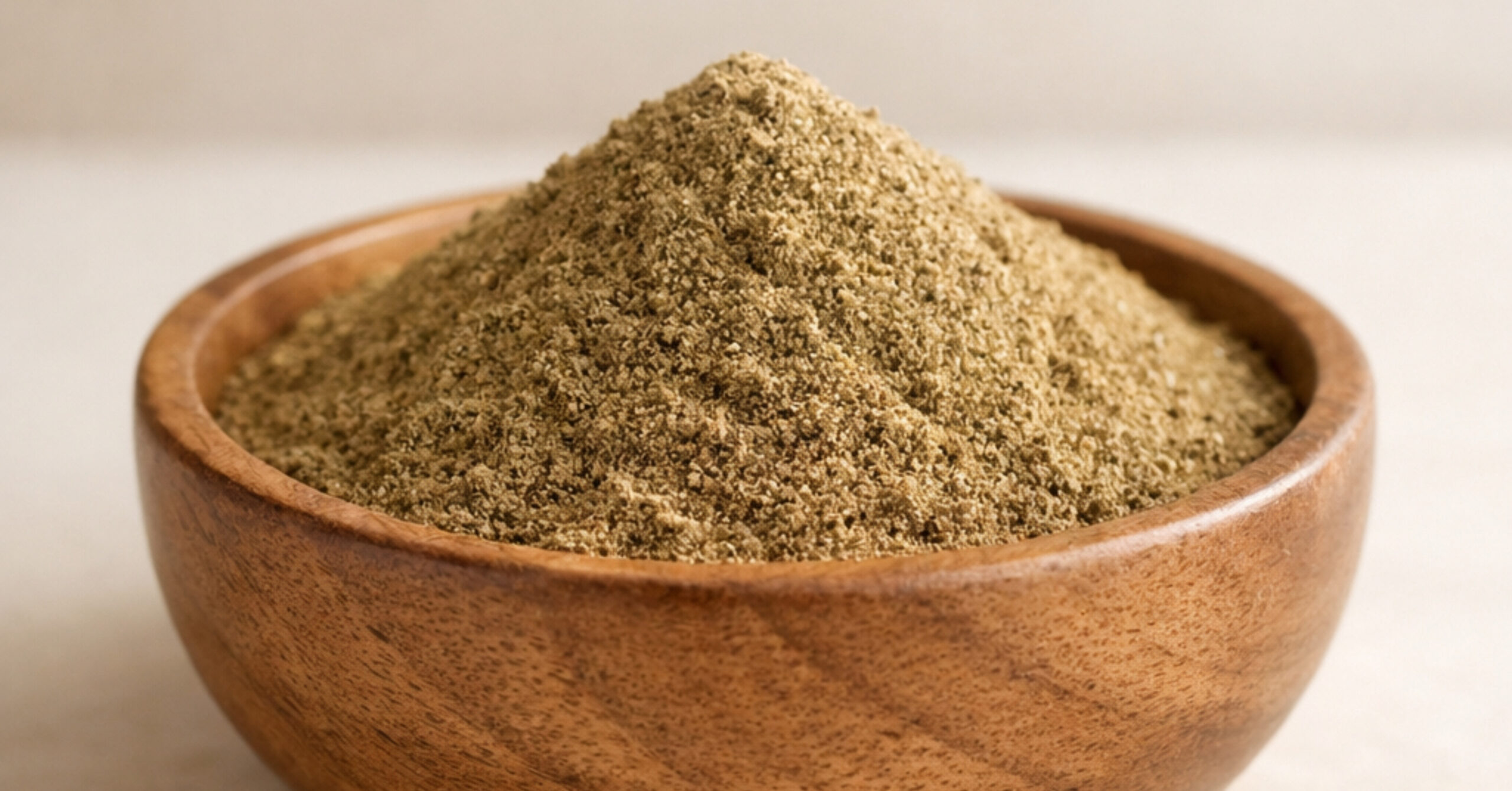
Triphala churna has been used as a gentle, long-term support for digestion. It helps the body regain its natural rhythm and keeps the digestive system balanced. Unlike quick fixes, it eases the digestive process without forcing it. Over time, this steady support makes a noticeable difference.
What Is Triphala?
Triphala means “three fruits”. It is a classical Ayurveda formulation composed of three fruits, where each carries a specific action.
- Amalaki supports tissue nourishment and antioxidant balance.
- Haritaki improves intestinal motility and regulates Vata in the colon.
- Bibhitaki assists elimination and supports metabolic correction.
When combined as Triphala churna, the formulation becomes balanced — mildly cleansing, mildly rejuvenating, and regulatory rather than aggressive. That balance explains why the benefits of triphala extend beyond simple bowel relief.
Today, Triphala is available in many forms and from various trusted sources. AyurVAID Triphala Choornam, for example, is a carefully prepared, tested formulation that meets strict safety standards, ensuring purity while retaining the classical benefits. Used consistently, Triphala quietly strengthens your body’s natural rhythms—helping small daily improvements add up to lasting wellness.
Why Digestive Rhythm Matters
In Ayurveda, digestion is governed by Agni — metabolic intelligence. When Agni is steady, food is converted efficiently into energy and tissues, and waste is eliminated smoothly.
When Agni becomes irregular:
- Appetite fluctuates
- Acidity or burning appears
- Bloating increases
- Elimination becomes inconsistent
- Skin becomes more reactive
- Mental clarity reduces
Classical texts describe the accumulation of improperly processed material as Ama. Modern science speaks of altered gut motility, microbiome imbalance, oxidative stress, and low-grade inflammation. Different language. Similar clinical reality.
When elimination becomes irregular, systemic symptoms often follow. This is where Triphala churna benefits become meaningful.
Triphala Churna Benefits
1. Non-Habit-Forming Bowel Regulation
One of the most important Triphala churna benefits is its gentle action.
It does not stimulate the colon forcefully. Instead, it improves tone gradually. Over time, bowel movements become more coordinated and predictable — without dependency.
This makes it suitable for long-term regulation rather than short-term relief.
2. Support in Chronic Constipation
Chronic constipation often reflects dryness, stress, irregular routines, and weakened motility.
At an appropriate Triphala dosage, the formulation supports stool softening and coordinated peristalsis. Results are steady rather than sudden. That steadiness protects long-term bowel health.
3. Skin Health and Inflammatory Balance
The gut–skin connection is now widely acknowledged. When digestive efficiency improves, inflammatory load may reduce. Many individuals observe that, as elimination stabilises, skin clarity improves. The benefits of triphala here are indirect — but clinically consistent.
4. Eye Comfort and Oxidative Support
Classical Ayurveda texts describe triphala as Chakshushya — supportive for eye health. The fruits contain polyphenols and vitamin C, compounds associated with antioxidant activity. In today’s screen-intensive lifestyle, oxidative stress is a real physiological burden. Internal use may contribute to long-term support. External use should always be supervised.
5. Metabolic Support and Triphala for Weight Loss
Triphala for weight loss is frequently misunderstood. It does not directly dissolve fat. However, by improving digestive efficiency and reducing bloating, it may assist structured metabolic correction . Appetite becomes more regulated. Cravings may reduce. The body responds better to dietary discipline. Weight correction is gradual and sustainable.
Classical Insight Meets Modern Research
Phytochemical analyses show that the fruits in triphala contain tannins, flavonoids, and antioxidant compounds. Emerging studies suggest potential roles in supporting gut microbial balance and reducing oxidative stress.
Research is still evolving. Large-scale clinical trials remain limited. Yet laboratory and preliminary human studies align with traditional understanding — that digestive correction influences systemic inflammation and metabolic function.
Ayurveda described this through Agni, Ama, and dosha balance. Modern physiology describes gut ecology, inflammatory mediators, and oxidative load. The frameworks differ. The principle converges.
Triphala Churna Uses
Common Triphala churna uses include:
- Long-term digestive regulation
- Support for chronic constipation
- Adjunct support in skin imbalance
- Seasonal detoxification
- Metabolic correction protocols
- Support for eye comfort
It is rarely used in isolation. Diet, hydration, sleep, and stress management determine outcomes as much as the herb itself.

Triphala Dosage
Correct triphala dosage matters more than most people realise. The typical adult range is ½ to 1 teaspoon (approximately 2–5 grams) with warm water, often at bedtime. However, dosage depends on:
- Digestive strength
- Age
- Hydration
- Existing health conditions
Higher doses do not improve results. They may cause loose stools or cramping. The aim is rhythm, not intensity.
Possible Side Effects
When used appropriately, triphala churna is generally safe. Possible effects when used in excess include:
- Loose stools
- Abdominal discomfort
- Increased bowel frequency
It should be used cautiously during pregnancy and for individuals with chronic diarrhoea or severe dehydration. As with any herbal preparation, quality and proper guidance are essential.
References
- Phimarn W, Sungthong B, Itabe H. Effects of Triphala on Lipid and Glucose Profiles and Anthropometric Parameters: A Systematic Review. Evidence-Based Complementary and Alternative Medicine. 2021;2021:2515690X211011038.
- Kuchewar VV. Efficacy and safety study of Triphala in patients of dyslipidemia: a pilot project. International Journal of Research in Ayurveda and Pharmacy. 2017;8(Suppl 3):177-180.
- Pavithran A, Kalamol MK, Prajeesh Nath EN, et al. Role of Triphala on Gut Microbiota in the Treatment of Obesity and its Complications. International Journal of Ayurveda and Pharma Research. 2024;12(2):97-101.
- Salehi A, Asgary S, Mohammadipour P, et al. The Anti-Obesity Effects of Triphala and Triphala Guggul: A Systematic Review and Meta-Analysis of Clinical Trials. Journal of Medicinal Natural Products. 2025;2(3):100021.
- Banjare J, Raina P, Mansara P, et al. Triphala, Regulates Adipogenesis through Modulation of Expression of Adipogenic Genes in 3T3-L1 Cell Line. Pharmacognosy Magazine. 2017;13(52):S834-S839.