You’re six months pregnant. It’s been a long day. You’re sitting in your car outside the clinic, thinking about dinner, maybe replying to a few messages. Just another routine check-up, right?
Then your doctor mentions your sugar reading is slightly higher than expected. And suddenly… your mind races.
Did I eat something wrong? Could this harm my baby?
If you’ve ever had that moment, you’re definitely not alone. Many women quietly carry that worry — even when everything else in pregnancy seems to be going smoothly.
The reassuring part? The effects of high blood sugar can usually be managed. And managed well. Especially when modern monitoring meets personalised Ayurveda care.
At Apollo AyurVAID, care isn’t rushed or generic. It’s physician-led, evidence-based, and rooted in understanding your body as an individual system. The aim is simple: help you maintain good blood sugar levelswhile keeping both you and your baby safe and supported.

Understanding the Real Effects of High Blood Sugar in Pregnancy
Let’s be honest for a moment. High sugar levels aren’t just numbers on a lab sheet. They can influence how pregnancy progresses — sometimes quietly, sometimes more noticeably.
Not every woman experiences complications. But when sugar remains elevated, doctors stay alert for a few possibilities.
- Macrosomia (Large Baby)
When extra glucose consistently reaches the baby, growth may accelerate. Many mothers don’t expect this conversation at all. A larger baby isn’t automatically dangerous. But it can sometimes make labour longer or increase the chances of assisted delivery. These are things your obstetrician simply wants to be prepared for. - Preterm Labor
Persistently raised glucose levels may, in some cases, nudge the body toward early labour. It doesn’t happen frequently. Still, those final weeks inside the womb matter deeply for lung and brain development. So monitoring becomes important. - Preeclampsia
High sugar can place extra pressure on blood vessels over time. That strain may increase the risk of pregnancy-related high blood pressure. This condition needs careful observation because it affects both maternal and fetal health. - Neonatal Hypoglycemia
After birth, babies exposed to higher sugar levels during pregnancy may experience a sudden dip in their glucose levels. It sounds frightening when first heard. But with hospital monitoring, it is usually detected early and managed effectively.
And here’s something many women feel relieved hearing—these are potential effects of high blood sugar, not guaranteed complications. With early care, thoughtful lifestyle support, and consistent monitoring, most pregnancies progress safely.
A Real-Life Story: From Worry to Balance
Anjali was 29. Working professional. Six months pregnant and genuinely mindful about her meals. But real life interfered. Stressful workdays. Irregular eating. Long hours.
Her sugar readings slowly started climbing. Anxiety followed — the kind that shows up late at night when everything else goes quiet.
When Anjali visited Apollo AyurVAID, the approach wasn’t just about numbers.
Her evaluation included:
- Modern blood sugar monitoring
- Ayurveda assessment of Prakriti, Agni, and Ama
Together, a personalised plan was built:
- Dietary adjustments using natural food for diabetes, suited to her constitution
- Pregnancy-safe gentle exercise
- Ayurveda-based stress reduction, including breathing practices and short meditation
- Regular monitoring to maintain good blood sugar levels
Within weeks, she noticed subtle changes. Her energy improved. Her anxiety softened. Her readings stabilised. Sometimes high sugar is less a failure and more a message. A signal asking for balance.
How to Reduce Blood Sugar Level During Pregnancy
Managing sugar rarely means eliminating everything you enjoy eating. It usually means shifting patterns. Small, consistent ones.
1. Nutrition: Feed Your Body Right
Ayurveda places strong emphasis on Agni — your metabolic fire. When digestion weakens, Ama can accumulate, which may worsen sugar imbalance. Supporting digestion often helps reduce blood sugar levels naturally. Helpful choices include:
- High-fibre foods like leafy greens, oats, and legumes
- Low-glycaemic foods, including whole grains and seasonal vegetables
- Smaller, more frequent meals to stabilise blood sugar levels
Try limiting refined sugar, packaged snacks, and sugary drinks. Not out of restriction, but because they create sudden spikes, your body struggles to manage. Blending modern nutrition with Ayurveda principles supports smoother metabolism overall.
2. Gentle Physical Activity
Movement during pregnancy often feels intimidating. But safe activity can be incredibly helpful.
Walking, swimming, or prenatal yoga can improve insulin sensitivity. Short sessions often work better than exhausting workouts. There’s another benefit many women don’t anticipate — exercise helps regulate stress hormones. And stress alone can disturb sugar control more than expected.

3. Mindful Stress Management
Stress affects Vata balance. And when Vata fluctuates, sugar stability often follows.
Simple practices can help:
- 5–10 minutes of mindful breathing each morning
- Short meditation or gratitude journaling
- Gentle evening walks
- Prioritising sleep
They seem small. But daily repetition builds stability over time.

4. Monitor and Adjust
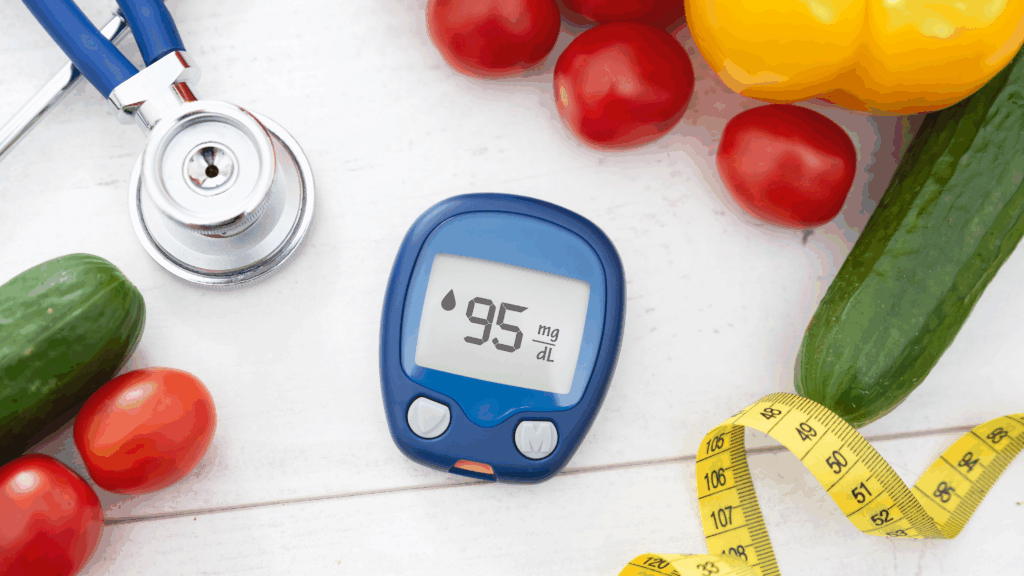
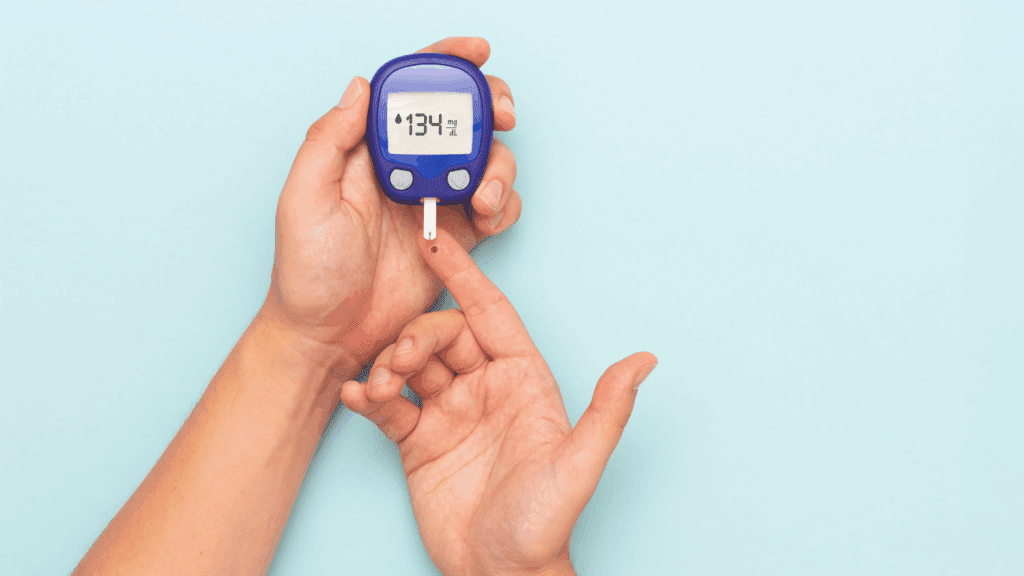
Tracking sugar isn’t about fear. It’s about awareness. Modern diagnostics provide accurate readings, while Ayurveda adds a deeper understanding of body patterns. Together, they help customise care, refining diet, lifestyle, and herbal support.
Natural Ways to Lower Blood Sugar
eyond structured treatment plans, everyday habits matter more than people realise.
- Replace refined sugar with natural sweeteners like stevia
- Include metabolism-supporting spices such as cinnamon or Methika (fenugreek)
- Stay hydrated throughout the day
- Avoid skipping meals, which often triggers unpredictable sugar spikes
These approaches can support efforts to reduce blood sugar level, but professional supervision remains essential during pregnancy. Adjusting medication or ignoring readings without guidance can be risky.
How Ayurveda Sees Diabetes During Pregnancy
When we talk about ways to lower blood sugar, Ayurveda often approaches the subject a little differently than modern medicine. Not in conflict, just from another lens.
In Ayurveda, gestational diabetes is described under Garbhini Prameha, which reflects a deeper metabolic imbalance. It isn’t viewed as something that appears overnight. More often, it builds quietly over time, influenced by daily habits, digestion patterns, and body constitution. This imbalance is frequently linked to disturbances in Kapha and Pitta, along with disrupted Dhatu formation. In simpler terms, the body’s nourishment cycle may not be functioning as smoothly as it should. Several contributing factors are usually considered. And honestly, many of them sound familiar when you pause and think about modern lifestyles.
Dietary Factors
Food plays a central role here. Ayurveda pays close attention not just to what you eat, but to how consistently you eat. Common dietary triggers include:
- Excessively sweet or heavy foods
- Processed or refined meals
- Irregular eating schedules
It’s interesting how often irregular meals get overlooked. Many people skip breakfast, eat late dinners, or snack mindlessly during stressful days. Over time, this can disturb digestion and make it harder for the body to maintain good blood sugar levels.

Lifestyle Factors
Lifestyle choices matter just as much. Sometimes even more. Ayurveda often points toward patterns like:
- Sedentary habits
- Chronic stress
- Poor sleep patterns
These may sound routine, almost unavoidable in modern life. But they quietly influence metabolism. Many people don’t notice the impact until they begin trying to reduce blood sugar level and realise lifestyle changes feel harder than expected. Stress, especially, tends to sneak into the conversation. People usually focus on diet first. Yet stress hormones alone can interfere with sugar balance — even when food choices are careful.
Physiological Factors
How Ayurveda Supports Balance
Ayurveda doesn’t just target sugar numbers. It focuses on restoring internal balance — digestion, tissue nourishment, and metabolic stability together. The goal isn’t quick correction. It’s a long-term regulation that helps support good blood sugar levels naturally. Typical recommendations may include:
- Whole grains such as Jowar or Bajra
- Bitter vegetables like Karela
- Legumes and lean proteins
- Healthy fats in moderation
- Gentle prenatal yoga and walking
- Meditation and proper sleep
- Herbs such as fenugreek, turmeric, Amlaki, and Guduchi under physician supervision
Take the Next Step
If your readings are rising — or even if you simply want to stay proactive — early support makes a difference. You can:
- Book a personalised consultation with an AyurVAID physician
- Understand your Prakriti and how it influences blood sugar levels
- Receive a tailored care plan combining Ayurveda and modern medical science
Pregnancy is delicate. Emotional. Powerful. Supporting it thoughtfully helps you feel more confident through each stage.
Key Takeaways
- High sugar during pregnancy is common and manageable
- Early attention helps prevent serious effects of high blood sugar
- Integrated Ayurveda and modern care supports metabolic balance and fetal well-being
Small, consistent lifestyle shifts often deliver the biggest improvements
References