Tips to Manage Irritable Bowel Syndrome

Table of Contents

Irritable Bowel Syndrome (IBS) is a severe gastrointestinal disorder characterized by symptoms like abdominal pain, bloating, gas, diarrhea, and constipation. The cause is unknown, but factors like diet, stress, gut sensitivity, and gut bacteria changes can contribute to its onset and exacerbation. Risk factors include early-life challenges, mental health conditions, bacterial infections, SIBO, and intolerances to certain foods. Gut bacteria, particularly those in the lower parts of the digestive system, are linked to IBS, and changes in these bacteria can affect gut function, leading to movement and sensing issues. 
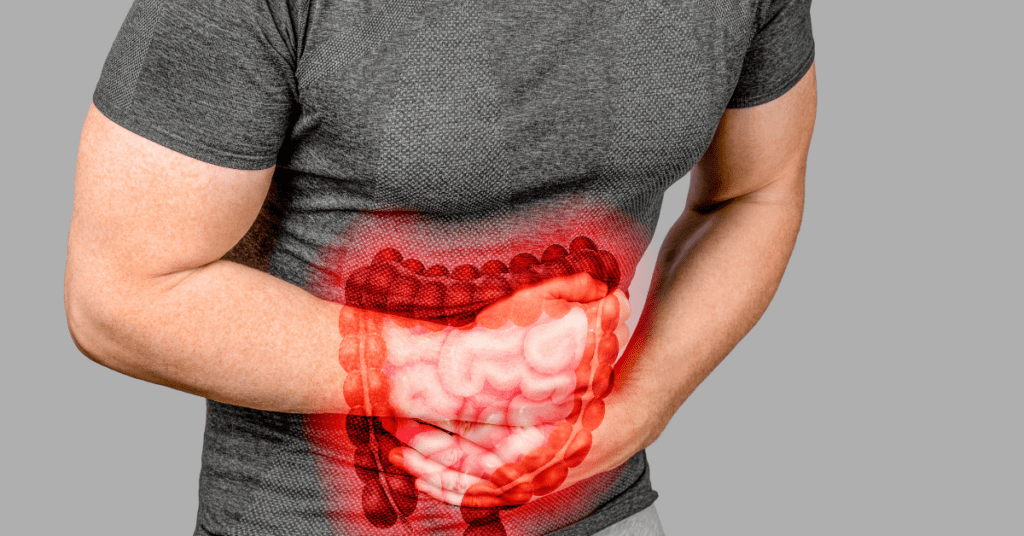
Ayurveda Tips to Manage IBS

Triggers vary among individuals and can include certain foods, stress, hormonal changes, or imbalances in gut bacteria. Managing Irritable Bowel Syndrome (IBS) often involves a combination of lifestyle changes, dietary adjustments, stress management, and sometimes medication. Here are some tips that might help:


  • To manage trigger foods, adopt a low-FODMAP diet, gradually reintroduce foods, and maintain a balanced diet rich in fiber. 
  • Practice relaxation techniques and exercise regularly to alleviate stress. 
  • Maintain regular meals and water intake. 
  • Incorporate probiotics or fermented foods to support a healthy gut microbiome. Over-the-counter medications and cognitive behavioral therapy can provide short-term relief.
  • Ghee (Clarified Butter): Ghee is highly regarded in Ayurveda for its digestive benefits. It is believed to kindle the digestive fire (agni) without aggravating Pitta dosha excessively. Including a moderate amount of ghee in the diet can support smooth digestion and help alleviate IBS symptoms. It’s essential to use high-quality, pure ghee.
  • Buttermilk (Takra): Buttermilk, or ‘takra’ in Ayurveda, is considered a cooling and soothing drink for the digestive system. It aids in digestion, reduces inflammation, and helps balance excess Pitta. Takra made by churning yogurt with water is recommended for people dealing with IBS. Adding a pinch of roasted cumin or ginger can enhance its digestive properties.

Insurance Backed

Precision Ayurveda
Medical Care

For IBS management, incorporating these Ayurvedic recommendations into your diet and lifestyle alongside other holistic approaches can potentially bring relief and support digestive health. As always, individual variations and sensitivities should be considered, and professional advice sought for personalized guidance.


FAQ
How can I manage IBS naturally with Ayurveda?
IBS can be managed in Ayurveda by balancing doshas through proper diet, lifestyle changes, and herbal support. Practices like eating on time, managing stress, and improving digestion (Agni) play a key role in long-term relief.
What foods help with IBS symptoms?
Foods that are easy to digest, such as rice, cooked vegetables, bananas, and warm soups, can help soothe IBS symptoms. Ayurveda also recommends avoiding processed, spicy, and heavy foods that may irritate the gut.
Does buttermilk help with IBS?
Yes, buttermilk is often recommended in Ayurveda as it helps improve digestion and supports gut health. When consumed with mild spices like cumin, it can reduce bloating and improve bowel function.
Can ghee help with digestion in IBS?
Ghee is considered beneficial in Ayurveda as it helps lubricate the digestive tract and improve digestion. It can also reduce dryness and irritation in the intestines, especially in Vata-related IBS.
How much ghee should you eat daily for IBS relief?
A small amount of ghee, around 1 to 2 teaspoons per day, is generally recommended for digestive support. However, the exact quantity may vary based on individual digestion and body type.
What triggers IBS flare-ups according to Ayurveda?
According to Ayurveda, IBS flare-ups are mainly triggered by dosha imbalances, especially Vata, along with poor digestion and toxin buildup (Ama). Stress, irregular eating habits, and unhealthy foods can also worsen symptoms.
How does ghee help with IBS symptoms?
Ghee helps soothe the intestinal lining, supports better digestion, and reduces inflammation in the gut. It also aids in balancing Vata dosha, which is often responsible for IBS-related discomfort.
Homepage B RCB

Please fill out the form below to Request a call back

Patient details

Select Preferred Center

Table of Contents
Latest Post
Blog Images part 2 (8)
A Feast with a Formula: The Digestive Wisdom Hidden in Onasadya
Blog Images part 2 (7)
Caring for Ageing Parents: An Ayurveda Approach to Elder Wellness
Blog Images part 2 (6)
Bedwetting (Nocturnal Enuresis) in Children: Causes and Ayurveda Treatment
AyurVAID Shop
Book a consultation now

Consult our Ayurvedic doctor with 20+ Years of experience &
Insurance Approved Treatment

Homepage B RCB

Please fill out the form below to Request a call back

Patient details

Select Preferred Center

Popular Searches: DiseasesTreatmentsDoctorsHospitalsWhole person careRefer a patientInsurance

Follow Apollo AyurVAID hospitals