
Web Stories
Step Into the Story: Explore Now
Introduction
According to Ayurveda, a robust agni or digestive fire is crucial for overall health, proper tissue nourishment and a strong immune system. As the monsoon sets in, our digestive capacity often diminishes, underscoring the importance of mindful eating habits during this season. The rainy weather can make us crave hot, spicy foods, but it’s crucial to pay attention to our body’s needs and opt for lighter, easier-to-digest meals. This blog will explore simple yet effective tips to eat mindfully during the monsoon season and maintain a healthy balance for our well-being. Let’s delve into the principles of Ayurveda to understand how we can optimize our diet and lifestyle during the rainy season for enhanced health and vitality.
Understanding Ayurveda and Seasonal Eating
According to Ayurveda, the year is divided into six seasons known as ritus: Sisira (winter), Vasanta (spring), Grishma (summer), Varsha (monsoon), Sharat (autumn), and Hemanta (pre-winter). Each season carries its unique characteristics and influences on our physical and mental well-being. As we transition into Varsha Ritu, the monsoon season from mid-July to mid-September, our bodies respond to the shifting energies of nature. This period marks a time when the sun moves southward, signalling a phase of decreased strength and vitality. Known as Dakshinayana or Visarga Kala, this season prompts a decline in metabolism, requiring special attention to diet and lifestyle choices. Embracing Ayurveda’s seasonal regime, or rtucharya, during Varsha Ritu can help us navigate these changes and support our overall health and well-being.
Monsoon Season and Its Impact on Health
In Ayurveda, the monsoon season significantly impacts health due to its effects on low immunity and low digestive fire. It is crucial to follow a specific routine and lifestyle during this time to prevent health issues. The rainy season can disrupt the balance of Vata and Pitta doshas in the body, leading to a variety of diseases. It is important to boost the immune system and enhance digestive fire to maintain overall well-being during this period. By incorporating Ayurvedic principles into daily life, one can mitigate the negative impact of the monsoon season on health and promote balance and vitality.

Dietary Guidelines for the Monsoon
In Ayurveda, following a specific routine and lifestyle during the rainy season is crucial to avoid health issues. The rainy season can lead to an imbalance of Vata and Pitta, causing various diseases.
Diet to follow during monsoon:
An individual may encounter reduced appetite, so it is recommended to make adjustments to their diet and lifestyle during the monsoon season.
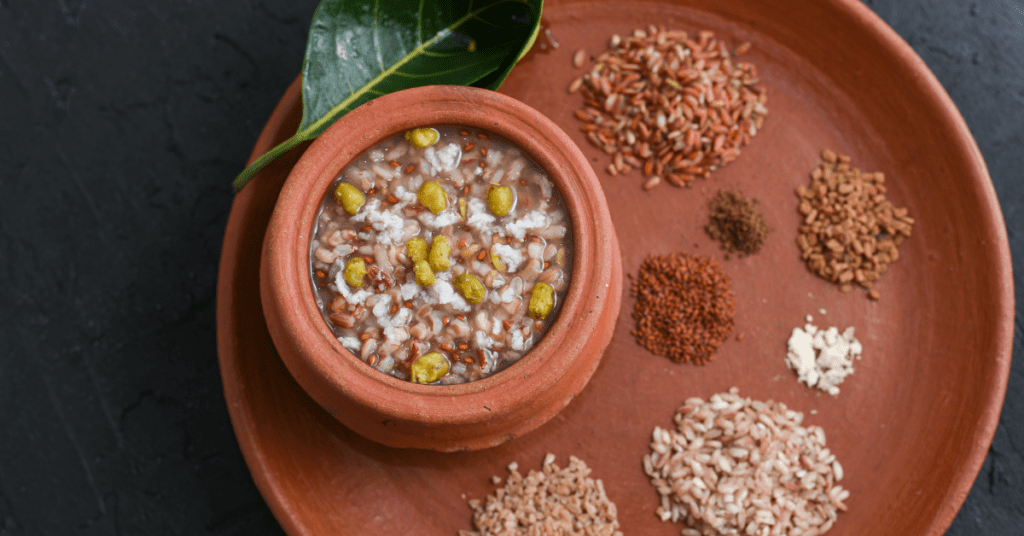
- To preserve your Agni, consume light and freshly prepared foods that include old grains of barley, wheat rice and immunity boosting foods in ayurveda like green gram (moong) soup (yusa).
- Consume a small piece of ginger with rock salt before every meal, to improve your digestion.
- Warm soups of vegetables seasoned with spices such like pepper, ginger, asafoetida (hing) and turmeric are the best ayurvedic medicine for immunity.
- As vata is aggravated in varsha rtu, a sour, salty and unctuous diet is preferred.
- Drink only boiled and cooled water. Drink water only when thirsty, as excess consumption of water can slow down metabolism.
- Eat warm, freshly prepared food and avoid raw foods.
- Avoid consuming stale food, leafy vegetables or red meat.
- Avoid curd which takes a longer time to digest, instead drink the supernatant part of curd (mastu), mixed with black salt and ayurvedic herbs for immune system– ginger and pippali.

Conclusion
As we navigate through the monsoon season, it is vital to heed Ayurvedic principles for optimal health and well-being. With a focus on maintaining robust agni and mindful eating habits, we can support our immune system and digestive capacity during this period of transition energies. By following dietary guidelines tailored to the monsoon season and understanding the influences of Varsha Ritu on our bodies, we can cultivate a harmonious balance that promotes vitality and disease prevention. Let’s embrace Ayurveda’s seasonal regime to navigate the impact of the monsoon season on our health and emerge stronger and healthier.