Web Stories
Step Into the Story: Explore Now
Introduction
As winter arrives, the chance of cold and flu outbreaks rises. These viral respiratory diseases can harm our health, leaving us vulnerable. While less sunlight and outside activities raise the danger of infection, the cold, dry winter air makes it easier for viruses to spread.
According to Ayurveda, cold and flu manifest due to an imbalance in the Kapha and Vata dosha. Seasonal cold and flu are considered Aupasargika / Agantuja Vyadhi or Pratishyaya. They are infectious diseases caused by external factors leading to internal dosha imbalance. Cold, dry properties of the season aggravate these doshas, diminishing the body’s natural defence systems, and making us more vulnerable to infections.
In this blog, let’s explore the difference between a cold and the flu and Ayurvedic remedies for cold and flu, providing natural solutions to boost immunity and alleviate symptoms.
Difference Between Cold and Flu
Common cold and influenza (flu) are usually considered viral infections affecting the upper respiratory tract, causing cough, sore throat, runny nose, etc. Both are infectious diseases that are most prevalent in densely populated areas and have common ways of manifestation.
The following are a few key differences between a cold and the flu
- Symptoms: A common cold is caused by aggravation of Kapha dosha, and the person affected will have a runny nose, sneezing, mild sore throat, coughing, and fatigue. The flu is worse than a simple cold. It is caused by an imbalance of the three doshas, leading to symptoms such as fever, chills, intense body aches, a dry cough, extreme fatigue, and headache.
- Onset and Duration: Cold symptoms develop gradually and are milder, while flu symptoms appear suddenly and are more debilitating.
- Treatment Approach: Mitigating Kapha dosha is the goal in the Cold, while flu management requires a combination of therapies to mitigate the 3 doshas.
Understanding the similarities and differences ensures effective management of cold and flu.
Panchakarma for Cold and Flu
Ayurveda treatment, such as Panchakarma, enhances immunity and balances the 3 doshas. These treatment modalities focus on complete healing by providing targeted remedies to restore the internal balance of the body and strengthen the natural resistance of the body. These treatments should not be administered when the patient has a fever and excessive fatigue.
The core treatment strategy involves addressing underlying causes.
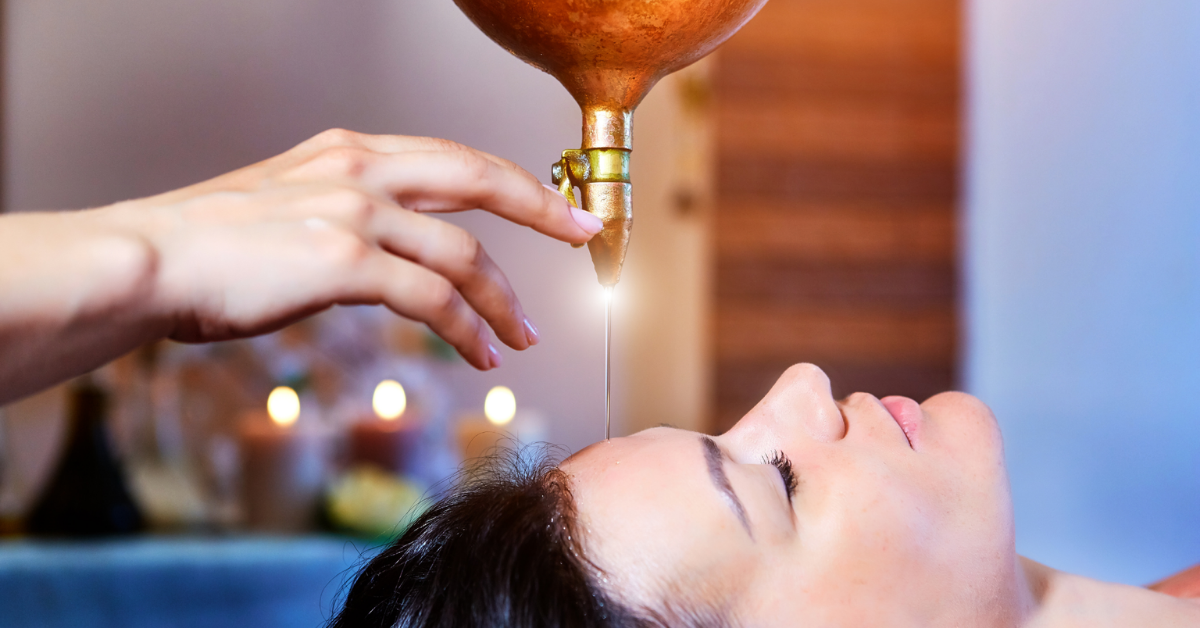
- Vamana is therapeutic emesis that helps expel excess mucus and toxins from the upper respiratory tract, thus relieving symptoms such as excessive sneezing, mucus discharge from the nose, cough, and fatigue. This can be administered in the acute stage of the disease.
- Virechana, or therapeutic purgation, promotes proper bowel movements that eliminate toxins from the digestive system, promoting general health and immunity.
- Nasya (instilling oil through the nose) clears nasal passages and sinuses and relieves congestion and respiratory discomfort.
- Basti (enema) balances 3 doshas and nourishes the body, often aggravated during the flu. This treatment aims to strengthen the debilitated body after a cold and flu.
Home Remedies for Cold
Emphasis is placed on enhancing the body’s immunity and reducing cold symptoms through dietary changes and a healthy lifestyle. A diet that includes sour, salty, light, unctuous, hot, and liquid foods is generally beneficial in the cold. The following are a few diet changes that can be incorporated to prevent progression and reduce the symptoms
- Warm soups, and thin gruel with salt and spices like ginger, turmeric, and pepper can clear congestion, and sore throat and provide comfort.
- Fresh ginger with jaggery can enhance immunity, improve digestion, alleviate symptoms, and prevent further complications.
- Barley, wheat, and horse gram can be made into gruel and consumed, which alleviates cold because of their hot potency.
- Radish, brinjal, drumstick, garlic, ridge gourd, etc., vegetables in your diet is beneficial
- Drinking decoction of Tulasi leaves, country borage leaves (Parnayavani) extract with honey, hot water infused with ginger, pepper, and hot milk with a pinch of turmeric helps to keep the body warm and combat cold.
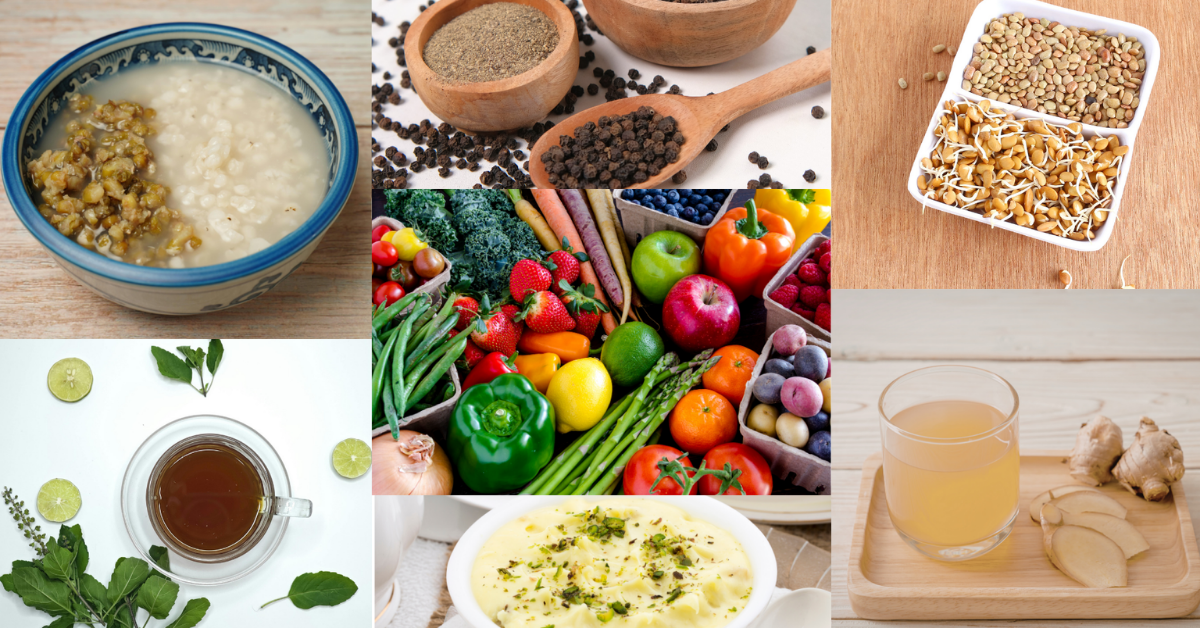
- Oranges, gooseberries, pomegranates, and grapefruits in your regular diet can reduce recurrence and shorten the duration of symptoms. Consuming orange and gooseberry while suffering from a cold may increase the symptoms.
- Honey and ginger mixtures are recommended for their soothing and immunity-boosting properties.
- Spices like black pepper, cumin, and turmeric can enhance digestion and provide anti-inflammatory benefits.
- A sweet prepared from curds and sugar, flavoured with cardamom, clove, camphor, pepper, etc., famous as “Shrikhand,” is beneficial.
Home Remedies for Flu
The remedies listed for a cold are also effective for the flu. Along with the previously mentioned dietary recommendations, the following adjustments can help restore strength and combat fever.
- Gruel prepared out of green gram, lentil, chickpea, horse gram, and moth bean facilitates easy digestion and evacuation of the bowel, thus maintaining the energy levels in the body.
- Boiled and salted spiny guard, pointed gourd, and ridge guard will not lead to further vitiation of doshas and help in easy metabolism.
- Avoid heavy, fried food, cheese, paneer, milk, curd, and refined flour, as they are heavy to digest and can exacerbate flu.
- Cold food and beverages are also not recommended.
- Consuming unripe fruits and veggies should be avoided.
Lifestyle Modification in Cold and Flu
Establishing a consistent daily routine that includes adequate sleep, hydration, and stress management techniques is essential for maintaining overall health and immunity.
- Specific yoga postures such as Forward Bend, Tortoise Pose, Camel Pose, and Bow Pose can help relieve respiratory symptoms. They promote deep breathing, lung capacity, and respiratory health. They stretch the spine, calm the mind, open the chest and lungs, and improve airflow.
- Breathing exercises such as Anuloma Viloma (alternate nostril breathing) and Kapala Bhati (skull shining breath) enhance lung function and reduce stress.

- Avoid taking a bath in the early stages of the flu.
- Avoid exposure to cold wind and keep yourself warm.
- Adequate rest and proper sleep are essential for complete recovery.

Ayurveda Formulations Used During Cold and Flu
Along with dietary measures, lifestyle changes, and Panchakarma therapies, certain classical Ayurvedic formulations may be used as part of seasonal care for cold and flu, depending on individual needs and clinical assessment.
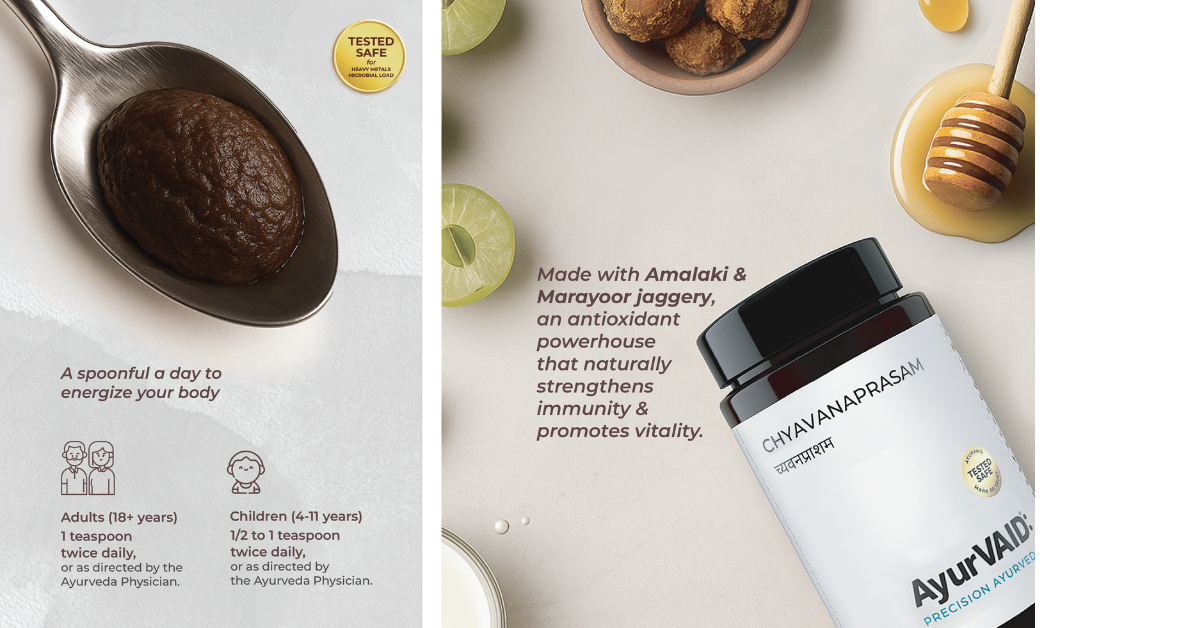
AyurVAID Chyavanaprasam is a traditional Rasayana preparation that is sometimes advised during seasonal transitions to support immunity, digestion, and general vitality. Formulated with ingredients such as Amla, Giloy, and Ashwagandha, and prepared using sulfate-free Marayoor jaggery, it is generally considered suitable for long-term use across age groups when taken in appropriate quantities and under guidance.
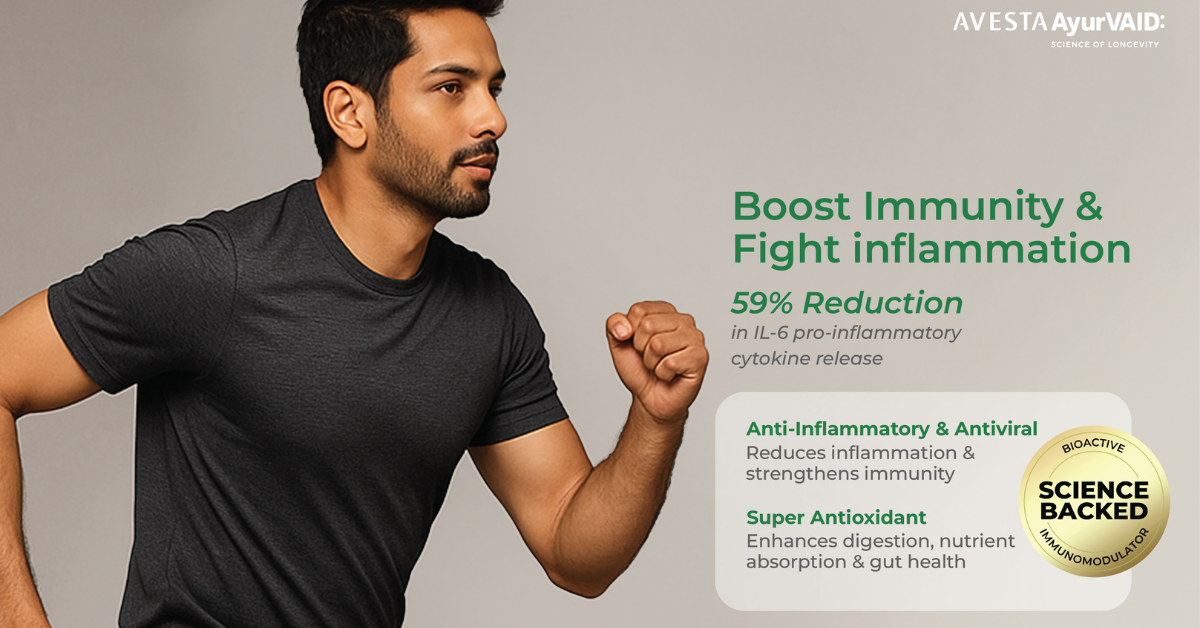
For individuals who experience lingering weakness or recurrent infections after cold or flu episodes, AvestaAyurVAID Inflammation & Immunity Aid may be considered as supportive care. Powered by AmlaPure®, it is intended to help manage oxidative stress and support immune function alongside dietary and lifestyle measures, rather than replace them.
When cough, throat irritation, or allergy-related symptoms are prominent, Haridrakhandam has traditionally been used in Ayurveda practice. AyurVAID Haridrakhandam uses include support in respiratory discomfort and seasonal allergies. The benefits of Haridrakhandam arise from its anti inflammatory and immune-supportive ingredients, making it a commonly used
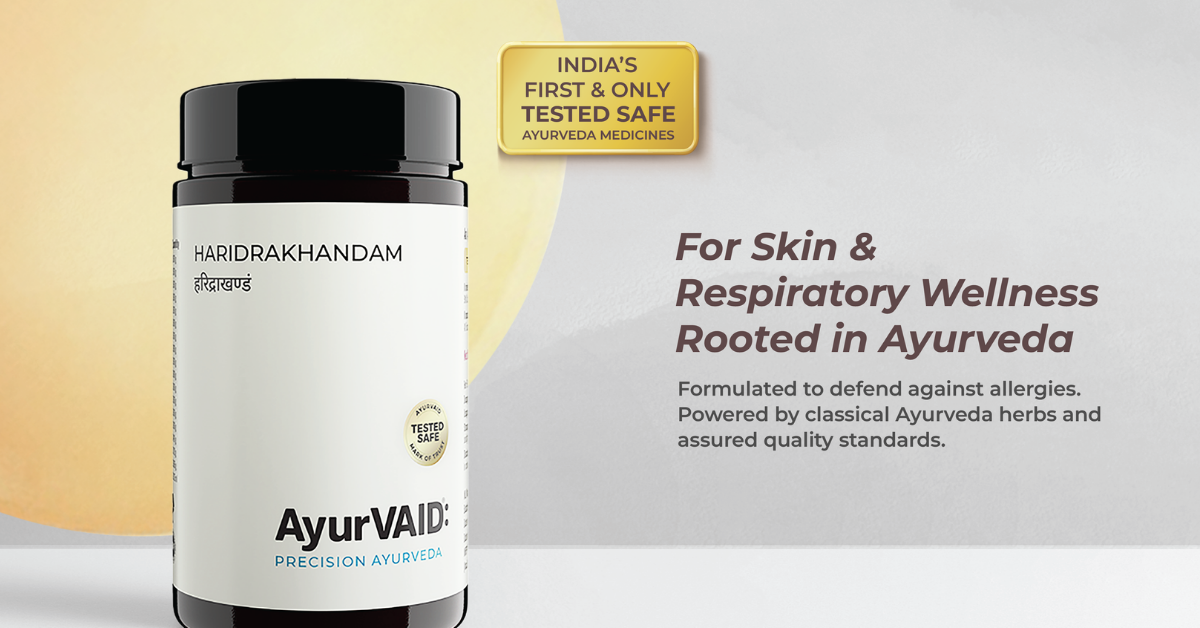
Ayurvedic medicine for cough and Ayurvedic medicine for cough and cold during the winter months.
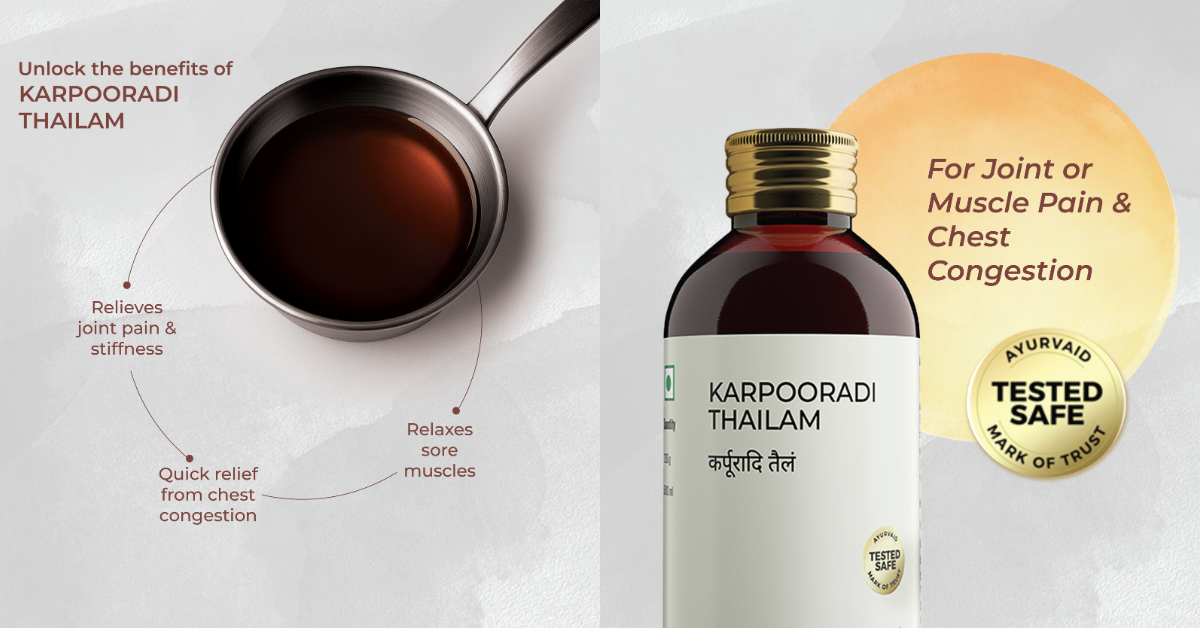
For local comfort, AyurVAID Karpooradi Thailam may be applied externally, as advised, to help ease nasal or chest congestion associated with cold exposure.
AyurVAID formulations are manufactured in GMP-certified facilities and undergo routine quality testing for heavy metals, aflatoxins, and microbial load, in line with API standards. As with all Ayurveda medicines, usage is best guided by a qualified physician, especially in children, older adults, and those with underlying health conditions.
Preventive Measures
Preventive measures for the common cold and flu include several strategies aimed at reducing transmission and infection rates:
- Regular hand washing or the use of hand sanitisers can reduce virus spread.
- The flu vaccine is the most effective way to prevent influenza.
- Using a tissue, or handkerchief while coughing and sneezing, and staying home when sick can prevent the spread of the infection.
- Administering medicated oil through the nostril or gandusha (gargling with medicated oil) can reduce respiratory infections.
- Using spices wisely in the diet can help boost immunity and prevent illnesses.
Conclusion
Ayurveda offers a comprehensive approach to managing seasonal respiratory infections like cold and flu. It addresses the Kapha and Vata doshas, strengthens the body’s resistance power, and uses specific Panchakarma procedures. Dietary and lifestyle changes are important in preventing and treating the symptoms. Understanding the differences between cold and flu will help people handle the two conditions better. Mild measures such as washing hands, healthy eating, and managing stress facilitate attaining a healthy respiratory system, especially during the winter. Ultimately, Ayurveda principles emphasise treating the root cause of illness while supporting the body’s natural defence mechanisms.
References