How Ayurveda Treats Sinusitis: Nasya Treatment and Natural Healing

Table of Contents

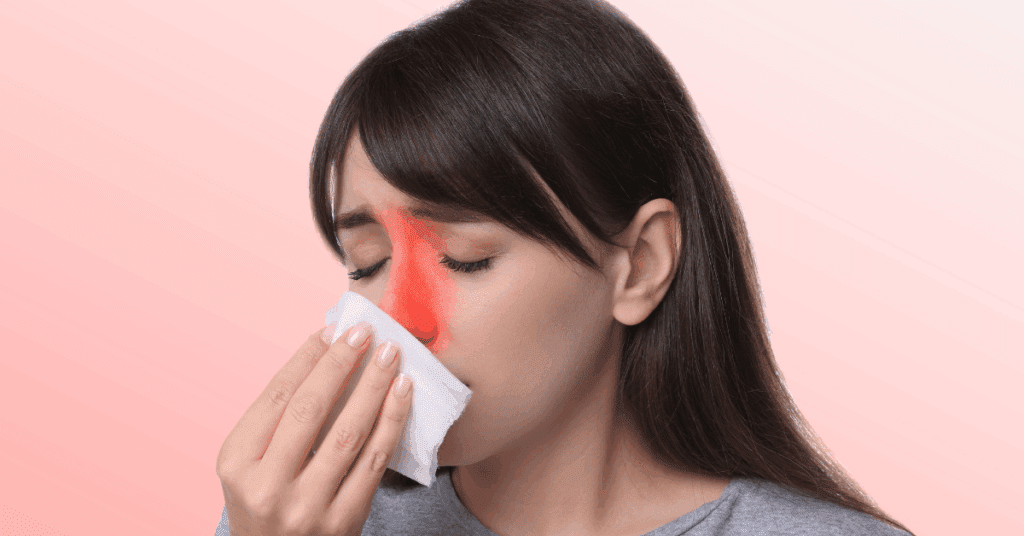
Waking up with pressure behind your eyes, a heavy forehead, and aching cheeks? Your nose feels blocked, and each breath seems like a small workout. This is often one of the first symptoms of sinus infection. In Ayurveda, sinusitis is also called Apeenasa or Peenasa, and the chronic stage is known as Dushta Pratishyaya. Ayurveda views it differently from conventional medicine. Instead of just dulling the symptoms, it asks: why is the mucus stuck? What is causing congestion in the head’s channels?

The approach is simple in concept but thorough in practice: balance Vata and Kapha doshas, clear the Urdhvajatrugata region, the area above the collarbone where congestion often starts, and support the body with Nasya treatment, internal herbs, dietary adjustments, and lifestyle changes.

What Causes Sinusitis?

Sinus problems often begin after a viral infection, bacteria, allergens, or environmental irritants like dust and pollution. Ayurveda also takes lifestyle factors into account, as sinus infection causes: cold foods, irregular sleep patterns, and poor digestion (Agni), which can produce Ama(metabolic toxins) obstructing the head’s channels. So, when you feel that nagging pressure above your eyes or congestion in your nose, it’s not just “a little cold”; it’s your doshas signalling imbalance.

Insurance Backed

Precision Ayurveda
Medical Care

Early Signs to Watch For

Recognising symptoms of sinus infections can prevent chronic sinusitis. Look out for:

  • Stuffy or blocked nose (Nasa Avrodha)
  • Thick nasal discharge (Nasasrava), sometimes yellow or green
  • Facial pressure or heaviness over the forehead, cheeks, or behind the eyes
  • Low-grade fever, fatigue, or malaise

Question for you: Do you notice headaches getting worse when you lean forward or lie down? That’s typical of sinus headaches. And the location matters:

  • Frontal sinus: forehead pressure
  • Maxillary sinus: cheek pain (sometimes mistaken for a toothache)
  • Sphenoidal sinus: behind the eyes or top/back of the head

Some cases of sinusitis are triggered by allergens—dust, pollen, mould. Here, Kapha aggravation plays a big role, keeping congestion persistent. Ayurveda treats both the environment and the body’s reaction. That’s why personalised lifestyle guidance is often part of treatment.

Ayurveda Treatment: Root Cause Over Symptoms

Ayurveda combines Shodhana (detoxification) and Shamana (palliative measures).

Shodhana: Nasya Therapy

Nasya is the classical procedure where medicated oils, powders, or decoctions are administered through the nostrils.

  • Pre-Treatment or Purvakarma includes facial massage (Abhyanga) and steam (Swedana) to loosen mucus and prepare the channels.
  • The primary method (Pradhana Karma) involves instillingNasya oils into the nose, which travels to the Shiro bhaga (head) and aids in the removal of morbid doshas.
  • Inhaling herbal smoke (Dhoomapana), gargling, and breathing exercises (Bhastrika) are all part of the post-treatment (Paschat Karma) that help to prevent recurrence.

For chronic cases, deeper detoxification methods like Vamana or Virechana may be recommended under supervision.

Shamana: Supportive Care

Herbal medicines and internal therapies:

  • Reduce Ama
  • Support digestion (Agni)
  • Balance Vata and Kapha

Practical measures include warm steam inhalation, gentle gargling, localised heat application, and dietary adjustments. Ever noticed that avoiding cold foods makes your congestion feel lighter? That’s not a coincidence—it’s Ayurveda in action. Cold foods aggravate Vata and Kapha, and hence diet plays a major role in Ayurveda management of sinusitis.

Lifestyle, Diet, and Long-Term Relief

Ayurveda doesn’t stop at the nose. Long-term relief often comes from:

  • Herbs: warming herbs that aid in toxin removal and digestion
  • Diet: Eat warm, light meals; stay away from cold, heavy foods, which create mucus.
  • Yoga and breathing techniques: mild pranayama promotes sinus drainage
  • Routine: stress reduction, seasonal adaptations, and good sleep hygiene

Small, consistent habits prevent recurrence. Ayurveda isn’t about dramatic fixes—it’s about steady restoration.

Safety and When to See a Doctor

Ayurveda is effective but not a replacement for urgent care. If you see any of the following, get medical help right away:

  • A high fever or a lot of swelling in the face
  • Changes in vision or neurological symptoms
  • Severe tooth pain 
  • Symptoms don’t go away after 12 weeks of treatment

Conclusion

Sinus issues can be frustrating. Sometimes your nose feels stuffed; sometimes it’s just a dull pressure you can’t shake. Ayurveda doesn’t promise an instant fix. Instead, it focuses on balance—Kapha, Vata, digestion, and those hidden toxins called Ama.

Small, steady habits matter. Warm meals. Gentle pranayama. Paying attention to sleep and seasonal changes. It might feel minor, but over weeks, your sinuses can clear, headaches ease, and nasal discharge reduces. Yes, it takes consistency. No, it doesn’t require extreme measures.

Nasya treatment, herbs, diet tweaks, and lifestyle adjustments work together. Think of it as a team effort: each step supporting the next. And if things get stubborn, combining Ayurveda care with an ENT consultation ensures nothing is missed.

References

Smt. S. S. Davari. A comparative study of ayurvedic medicine and conventional medicine in karad city. International Journal of Latest Research in Science and Technology. 2015;4(6):117–120. external link
Chaudhari V, Rajagopala M, Mistry S, Vaghela D B. Role of Pradhamana Nasya and Trayodashanga Kwatha in the management of Dushta Pratishyaya with special reference to chronic sinusitis. Ayu (An International Quarterly Journal of Research in Ayurveda). 2010;31(3):325–331. external link
Naram S, Mahajan D. Efficacy of Ayushakti herbal remedies and breathe easy Nasya therapy in the management of rhinosinusitis (Pinus). International Journal of Research in Ayurveda and Pharmacy. 2024;15(1):46–48. external link
Ahmad A, Gundeti MS, Dave PP, Jameela S, Khanduri S, Rao BC, Srikanth N. Efficacy and safety of Ayurveda interventions for sinusitis: a systematic review and meta-analysis. Journal of Complementary and Integrative Medicine. 2021;20(2):316–327. external link
Vanishree, Vishwambhara, Venkatesh B A, Yogitha M R B. Paranasal sinusitis (Apeenasa/Peenasa) and its management in ayurveda. AYUSHDHARA. 2021;8(2):3215–3219. external link

FAQ

How does Ayurveda explain sinusitis?
It’s a clogging of head channels from Kapha and Ama, not just a nose problem. Clearing these channels restores balance.
What is Nasya therapy?
Medicated oils or powders are administered through the nostrils to lubricate, clear mucus, and soothe nerves. Nasya therapy works best when combined with specific herbs and lifestyle adjustments.
How soon can I expect relief with Ayurveda sinus care?
Some people notice improvements in a few days, especially with reduced congestion or headaches. Full benefits, like fewer flare-ups and balanced digestion, usually take a few weeks of consistent practice.
Is Nasya therapy painful or uncomfortable?
Not at all when done properly. It might feel a little unusual at first, like warm drops reaching the back of the head, but most people find it soothing and relieving.
What are some lifestyle tips for long-term relief from sinusitis?
Strengthen digestion, maintain nasal hygiene, practise pranayama, avoid triggers, and manage stress. Small habits often matter more than dramatic interventions.

Leave a Reply

Your email address will not be published. Required fields are marked *

Homepage B RCB

Please fill out the form below to Request a call back

Patient details

Select Preferred Center

Table of Contents
Latest Post
182
Effective Ayurveda Solutions for Hair Fall and Regrowth
179
Symptoms of Insomnia: How to Identify Sleep Disorders Early
175
How to Get Glowing, Acne-Free Skin Naturally: Ayurvedic Diet & Lifestyle
AyurVAID Shop
Book a consultation now

Consult our Ayurvedic doctor with 20+ Years of experience &
Insurance Approved Treatment

Homepage B RCB

Please fill out the form below to Request a call back

Patient details

Select Preferred Center

Popular Searches: DiseasesTreatmentsDoctorsHospitalsWhole person careRefer a patientInsurance

Hours of Operation:
8am – 8pm (Mon-Sat)
8am – 5pm (Sun)

Follow Apollo AyurVAID hospitals