Pain is often described as the body’s alarm bell. It warns of overload, imbalance, or hidden tissue stress. For some, it is occasional and short-lived; for many, it becomes a daily companion. Chronic musculoskeletal pain, involving the back, neck, shoulders, hips, or knees is now among the leading causes of disability worldwide. Behind these statistics are millions of individuals: office workers who spend long hours at the desk and rise with stiffness; older adults who dread the risk of a fall; athletes sidelined by recurrent strain injuries; and caregivers themselves limited by fatigue and musculoskeletal pain.
The modern lifestyle has magnified the problem. A combination of sedentary behaviour, lack of structured exercise, inadequate exposure to natural light, nutritional imbalances, and chronic stress, repetitive micro-trauma, contributes to escalating rates of pain and immobility. This eventually leads to a cycle that extends pain and loss of function.
Modern medicine often provides quick symptom relief, but recurrence is frequent because underlying factors remain unaddressed. The goal is to develop a mode of care that not only reduces pain but also restores healthy mobility, posture, and tissue resilience. Structured movement and graded loading are among the few consistently effective measures to reduce chronic musculoskeletal pain and improve function.
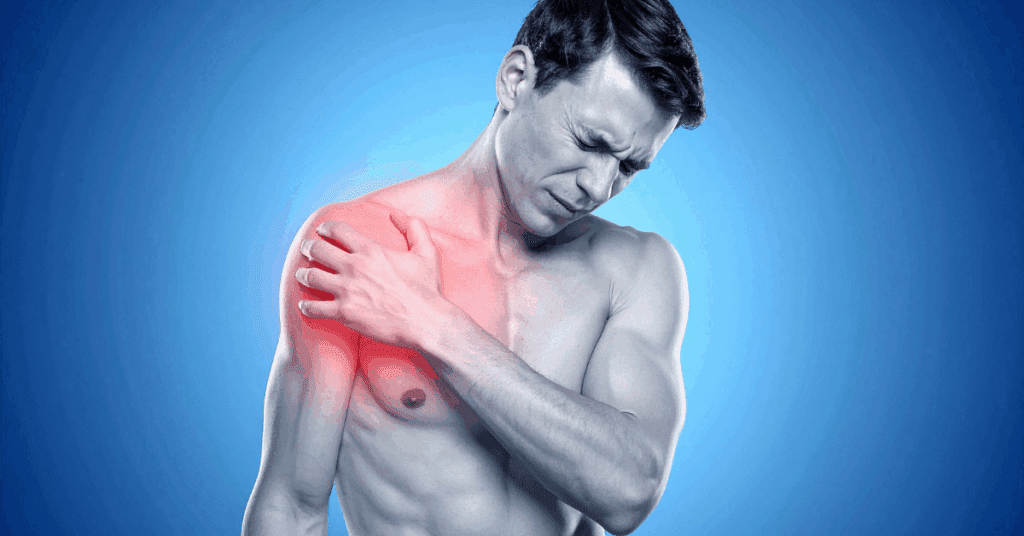
Understanding Pain and Mobility in Ayurveda
Ayurveda frames pain and movement through the interplay of Vata (movement, proprioception, nerve impulses), Kapha (structure, lubrication), and Pitta (metabolic heat, inflammation). Pain from stiffness, numbness, falling range of motion, and brittle joints is often a Vata-dominant process; swelling and warm inflammatory pain show Pitta features; sluggishness, heaviness, and excess synovial fluid point toward Kapha involvement. Restoration of mobility, therefore, needs targeted correction of the dosha pattern together with structural rehabilitation (asthi, majja, sandhi, and mamsa).
How Doshas are linked to Pain
- Vata (movement & nerve control): Vata aggravation leads to stiffness, shooting/tingling pain, impaired coordination, and reduced joint glide.
- Pitta (inflammation & tissue turnover): Pitta aggravation causes hot, swelling pain, and accelerated cartilage breakdown.
- Kapha (support & lubrication): Kapha dominance leads to heaviness, poor mobility, fluid stagnation, and slower recovery.
Why Prioritise Restoring Mobility?
Reclaiming mobility restores independence and reduces long-term disability. Functional improvements that can be observed include
- Greater balance and less falling
- Reduced pain during daily activities and better sleep
- Enhanced metabolic health and mood
- Fewer pills and reduced costs and/or amount spent on healthcare.
These outcomes can occur by combining evidence-supported rehabilitation strategies with individualised lifestyle and dietary options in treatment.
Common Clinical Presentations
- Persistent low-back, knee or neck pain with stiffness
- Joint pain with morning stiffness or limited range (knee, hip, shoulder)
- Pain that worsens with activity or prolonged immobility
- Recurrent soft-tissue strains and delayed recovery
- Functional decline: difficulty climbing stairs, rising from a chair, carrying weight
These symptoms often come from familiar conditions —osteoarthritis (wear-and-tear in knees, hips or spine) that causes pain with activity and morning stiffness, tendinopathies (shoulder, elbow, Achilles) that flare with repetitive use, myofascial pain from tight muscles and trigger points, radicular or “nerve” pain such as sciatica with shooting sensations and altered walking, and inflammatory arthritis that brings pronounced morning stiffness and systemic symptoms. Although the names differ, these problems share a common loop — injured tissue, altered loading, reduced movement and increased nerve sensitivity — which keeps pain alive. The treatment we offer addresses the root.
Apollo AyurVAID’s Peak Health Program
Peak Health at Apollo AyurVAID is a short, personalised wellness pathway for busy people — a focused clinical assessment followed by a tailored plan of classical Ayurveda therapies, practical diet and lifestyle prescriptions, and a clear written take-home summary. The pathway is designed for time-efficient, measurable gains in sleep, digestion, stress tolerance and functional resilience, so you leave with concrete tools you can use immediately at work and home.
Precision Ayurveda for pain targets root causes — tissue pathology, biomechanical issues, nutritional and hormonal gaps, and stress-related sensitisation — rather than only masking symptoms. Treatment pairs protocol-driven classical therapies and evidence-based herbal formulations with graded movement, ergonomic rehabilitation, and stress-modulation; when needed, care is integrated with allopathic teams. The aim is durable recovery: restored mobility, posture, and tissue resilience, not short-lived relief.
What to Expect?
In the first two to four weeks, you can expect noticeable decreases in pain levels, relief from muscle and joint stiffness , better sleep, increased ease in daily activities, and improved energy.
Within one to three months, you can anticipate improvements in joint flexibility and muscle strength, coordination and balance, a reduction in inflammation and recurrence, and ease in daily living activities.
After a period of 3 months, you can observe reduced frequency of pain recurrence, improved endurance and mobility, functional independence, less dependency on pain medications, sustained reduction in pain, and prevention of chronic disability through overall musculoskeletal health.

Conclusion
References