Dealing with acne scars can be frustrating, especially when modern treatments come with harsh chemicals and expensive procedures. Fortunately, home remedies for acne scars rooted in ancient Ayurveda wisdom offer gentle yet effective solutions that work naturally with your skin’s healing processes. These traditional methods focus on balancing the doshas, purifying the blood, and promoting cellular regeneration to fade stubborn marks without harmful side effects.
These home remedies for acne scars work by addressing the root causes while providing topical healing benefits. Unlike chemical peels or laser treatments, Ayurveda remedies nourish the skin while promoting natural cell turnover and collagen production. Whether you’re looking for home remedies for acne scars or long-term solutions for home remedies for oily skin and pimples, these natural approaches offer sustainable results.
Acne Scars – Ayurveda Perspective
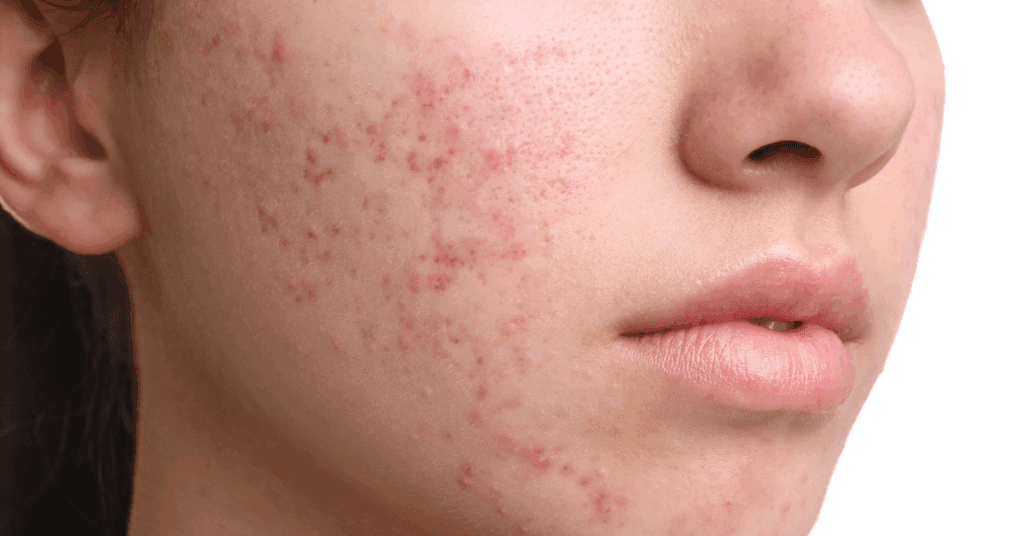
In Ayurveda, acne as well as its scars are most often associated with an imbalance of Pitta dosha, which controls heat, inflammation, and metabolism within the body. When Pitta gets imbalanced due to poor diet, stress, or hormonal changes, it expresses itself through inflammatory skin diseases that leave behind pigmented marks and scarring. Ayurveda literature refers to this ailment as “Mukhadushika” or “Yuvanapidika,” highlighting the necessity to treat both the internal disharmony and external manifestations. The therapy is focused on balancing Pitta dosha in particular. Below are some effective home remedies for acne scars.
1. Turmeric and Sandalwood Face Mask
Turmeric is one of the strongest Ayurveda skincare ingredients, and it works wonders for acne scars and hyperpigmentation. Curcumin, the active ingredient, offers strong anti-inflammatory and antibacterial activity that not only heals scarring but also stops new breakouts.
Sandalwood, or “Chandana” in Ayurveda, contains cooling and soothing properties that soothe inflamed skin and help heal. Sandalwood has been found to reduce the visibility of scars through improving the elasticity of the skin and evening out the skin’s colour.
Blend 1 teaspoon of sandalwood powder and 2 teaspoons of turmeric powder. Add a little rose water or milk to make a smooth paste. Apply on clean skin and leave for 15-20 minutes before washing with lukewarm water.
Benefits: This blend functions as a good solution for home remedies for pimples on face while at the same time removing existing scars. Frequent application brightens the skin and minimises post-inflammatory hyperpigmentation.
2. Neem and Honey Treatment
Neem leaves are most valued in Ayurveda due to their superior blood-cleansing and antibacterial action. High in nimbin, nimbidin, and quercetin, neem adversely attacks bacteria that cause acne while stimulating the regeneration of the skin.
Honey is a natural wound healer and moisturiser that has enzymes that enhance cellular repair and limit the formation of scars. Raw honey offers further antibacterial protection that helps avoid secondary infection in healing tissues.
Grind some fresh neem leaves into a paste or mix neem powder with water. Mix 1 tablespoon of raw honey and blend well. Use on affected areas and leave for 20 minutes, and wash off.
For home remedies for acne scars, use this mixture as a thin layer and wipe away when dry. Increased contact time enhances penetration of healing substances into the deeper layers.
3. Nutmeg and Red Sandalwood Paste
Red sandalwood (Rakta Chandana) enhances blood flow and cleanses the blood. Red sandalwood has natural constituents that assist in minimising inflammation and favouring the regeneration of the skin.
Nutmeg, a classic Ayurveda ingredient, has antibacterial and anti-inflammatory properties that are helpful for healing skin wounds and reducing pigmentation.
Red sandalwood is rubbed against a stone with some water to get this finely powdered paste. To it, a little amount of nutmeg powder is added and thoroughly mixed to obtain a fine, smooth paste. This smooth paste is applied on the affected area of the face 2 times daily and left on for 1-2 hours and then washed with warm water.
4. Aloe Vera and Lemon Juice Combination
5. Saffron and Ghee Treatment
Saffron is considered one of the most precious ingredients in Ayurveda for skin care, known for its ability to improve complexion and reduce blemishes. It contains antioxidants that help repair damaged skin cells and promote healing.
Ghee (clarified butter) provides deep nourishment to the skin and helps in the absorption of herbal compounds. It also acts as a natural moisturiser that doesn’t clog pores.
Half a teaspoon of ghee is added with 3-4 saffron strands. The mixture is triturated well until it becomes reddish yellow. The mixture is then applied over the wet face.
6. Potato and Water Treatment
Potato contains natural enzymes and vitamin C that help in reducing pigmentation and promoting skin healing. It removes grease, dirt, and excess oil from the skin while providing gentle exfoliation.
The starch content in potatoes also helps in tightening the skin and reducing the appearance of pores.
Slice one medium-sized potato into two and put a few drops of water on the surface. Rub it on the pigmented area so that the juice of potato acts on the skin. This procedure should be done regularly for best results.
Benefits: Potato application helps reduce puffiness under the eyes, acne marks, and blemishes. However, potatoes must be applied regularly to get effective results.
7. Fenugreek Seed Paste
Fenugreek seeds (Methi) have strong antiseptic and anti-inflammatory properties that are perfect to use when treating acne marks. Being rich in polysaccharides known as galactomannan, fenugreek reduces dark spots and blemishes and has protective effects on the skin.
The seeds also carry vitamins C and K that reduce pigmentation and stimulate collagen production for a softer skin texture.
Soak fenugreek seeds in water for several hours and grind them into a fine paste. Apply the paste on the affected areas and leave it for 15-20 minutes before washing off with lukewarm water.
Results: Repeated use brings noticeable improvements to acne spots in a matter of days, making it among the best home remedies to remove pimples and their remnants.
Different Types of Acne Scars and Recommended Ayurvedic Remedies
Acne scars can vary in appearance and depth, and Ayurveda recommends different remedies depending on the type of scar to promote natural healing and even skin tone.
- Pigmented Scars (Post-Inflammatory Hyperpigmentation)
These appear as dark spots after pimples heal and are common in oily or sensitive skin. Topical remedies like turmeric and sandalwood paste or aloe vera with lemon juice help lighten pigmentation. Internally, Manjistha or Sariva decoctions support blood purification and help fade dark marks gradually. - Pitted or Atrophic Scars
These are small depressions in the skin caused by tissue loss. Remedies that stimulate tissue regeneration work best. Saffron with ghee applied topically nourishes and supports healing, while Turmeric milk and Triphala decoctions strengthen the skin from within. Regular gentle massage with Mahanarayan or herbal oils can improve skin elasticity. - Hypertrophic or Raised Scars
Raised scars result from excess tissue formation and inflammation. Cooling and anti-inflammatory remedies such as neem and honey paste or aloe vera gel help reduce swelling and balance Pitta dosha. Drinking coriander-fennel tea or Sariva decoction can calm internal inflammation and prevent further raised marks. - Combination Scars
Many people experience a mix of pigmented, pitted, and raised scars. In such cases, a combination of topical and internal remedies is recommended. Applying nutmeg and red sandalwood paste or turmeric-sandalwood mask can address pigmentation and inflammation, while Manjistha or Triphala tea helps purify the blood and enhance skin healing from within.
By understanding your scar type and using the appropriate Ayurvedic remedies, you can support natural skin regeneration, gradually fade marks, and maintain healthy, balanced skin without harsh chemicals.
Herbal Drinks and Decoctions to Heal Acne Scars from Within
Ayurveda believes that true skin healing starts from the inside. While topical treatments help fade marks, internal remedies nourish the blood, balance doshas, and support the skin’s natural regeneration. Certain herbs, when consumed as teas or decoctions, can help reduce inflammation, detoxify the body, and prevent new breakouts, aiding in the gradual fading of acne scars.
- Manjistha (Rubia cordifolia) Decoction
Manjistha is known as a blood purifier in Ayurveda and helps clear toxins that can worsen acne and pigmentation. Boil a teaspoon of dried manjistha roots or powder in water for 5–7 minutes, strain, and drink once or twice daily. Regular intake promotes even skin tone and supports natural healing of scars. - Sariva (Hemidesmus indicus) Tea
Sariva helps cool the body and balance Pitta dosha, which is often responsible for inflammatory acne and post-acne marks. Boil a small piece of sariva root in water for 5 minutes, strain, and drink warm. This tea helps calm inflammation and promotes healthy, glowing skin. - Turmeric (Curcuma longa) Golden Milk
Turmeric is a potent anti-inflammatory and antioxidant. A simple way to consume it is in warm milk or plant-based milk with a pinch of black pepper to enhance absorption. Drinking turmeric milk once daily not only supports immunity but also helps reduce redness and pigmentation from acne scars over time. - Aloe Vera Juice
Aloe vera consumed internally helps detoxify the body and promotes cell regeneration. Blend fresh aloe vera gel with a little water and drink on an empty stomach. It can soothe internal inflammation and support clearer skin from within. - Triphala Decoction
Triphala, a combination of three fruits (Amalaki, Bibhitaki, and Haritaki), is an excellent digestive and detoxifying agent. Boil 1 teaspoon of triphala powder in water for 5 minutes, strain, and drink before bedtime. It helps cleanse the digestive system, balance the doshas, and indirectly reduce skin blemishes and scarring. - Coriander and Fennel Seed Tea
A mild, cooling tea made with coriander and fennel seeds helps reduce Pitta and clears toxins from the bloodstream. Boil 1 teaspoon each of seeds in water, strain, and sip throughout the day. This simple drink supports natural skin healing and prevents pigmentation.
These herbal drinks work best when paired with proper topical care, a balanced diet, and a Pitta-calming lifestyle. Regular intake over time strengthens the skin’s healing ability, reduces inflammation, and gradually fades stubborn acne scars, giving you naturally clear, healthy skin.
Cautions
Lepa should be applied in the direction opposite to hair growth for better absorption. It should be removed once dry and fresh for each use. Nighttime application is generally not recommended. Ayurveda texts warn against leaving lepa overnight due to possible obstruction of body heat release, increased blockage of skin pores, reduced therapeutic effect, and potential aggravation of conditions.
Practical Takeaways
- Apply lepa in the morning or daytime; remove after drying.
- Do not leave lepa overnight, except in cases explicitly indicated by a qualified Ayurveda doctor (e.g., certain abscesses or bites).
- If accidentally left overnight and any irritation, burning, or swelling occurs, wash off immediately with lukewarm water and seek consultation.

References