Arishtas are one of those Ayurveda preparations that people hear about often… but don’t always “get” right away. They usually come in dark bottles, have a distinct earthy aroma, and look nothing like the bright, sugary syrups we’re used to. But that rustic appearance? That’s simply the fingerprint of an ancient method of preparation; a technique that’s been trusted for centuries because it works steadily and reliably. It’s a simple idea: the body can absorb herbs more easily when they are fermented slowly. This makes arishtas useful, long-lasting, and helpful without being too heavy. In this blog, we will provide an overview of what arishta is in Ayurveda, what they do, their method of preparation, and their most common types.
What is Arishta?
Think of arishtas as herbal decoctions that have been allowed to ferment naturally. Long before kombucha cafés and probiotic tonic trends arrived, Ayurveda had already discovered that gentle, self-generated fermentation makes herbs easier for the body to absorb. No big drama, no high alcohol content; just a slow, natural process that creates a mild hydro-alcoholic base which improves the delivery of herbal actives. Interestingly, in Ayurveda, there are two sister categories: Asava and Arishta. Arishtas (what we’re focusing on here) are made from decoctions where herbs are boiled first. Asavas, on the other hand, are made from fresh juices or infusions without boiling. Both rely on self-fermentation, both are stable, potent, and naturally preserved, but their starting point differs.
How Arishtas Are Made?
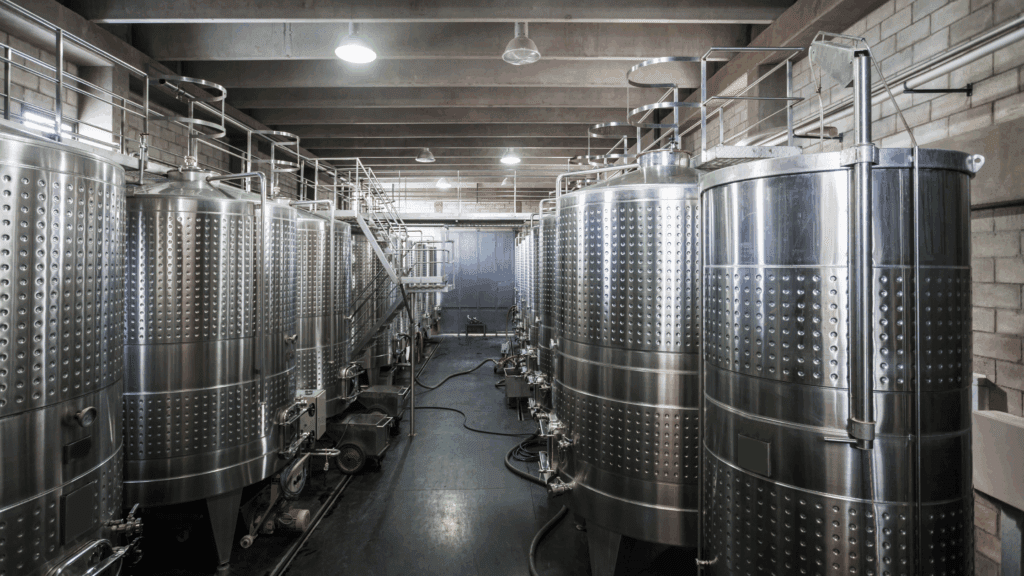
Let’s understand how Arishtas are prepared according to Ayurveda Sandhana Kalpana (fermentation process). After boiling the ingredients and obtaining a concentrated decoction from them, sweetener(s) such as jaggery (unrefined cane sugar), sugar and/or honey would be added as the initial source for initiating the fermentation process. Now comes the special bit: Dhataki flowers or Madhukapushpa are added. They naturally carry the wild yeast needed for fermentation, so there’s no lab-made starter or artificial agent. Nature does the job. The mixture is then poured into containers: traditionally, in wooden vats; today, cleaner modern vessels are used, but the idea is the same. The mixture is sealed and left undisturbed for a few weeks. It quietly ferments on its own; no stirring, no heating, no rushing. After the mixture has been left undisturbed for the required time, the lid is opened, and the contents are checked to make sure the fermentation has finished properly. Once that’s confirmed, the liquid is gently decanted and kept aside for a couple of days so the fine particles can settle. When everything has cleared up, the arishta is filtered carefully to ensure that no tiny sediments end up resting at the bottom of the bottle later. And that’s pretty much it. No shortcuts. Just herbs, time, and a very old, very reliable method that still works.
What Makes Arishta Different?
Most supplements today come neatly packed in capsules or powders. Easy to take, yes. But they don’t always suit everyone. Arishtas are different, and that difference starts with how they’re made. They’re prepared through natural fermentation. No shortcuts. No added alcohol. It develops on its own, slowly, as the herbs rest and transform. This one step changes how the body responds to the formulation.
- Arishtas are easier to digest.
They’re liquid, so the stomach doesn’t have to work as hard to break them down. Fermentation also softens certain herbal components, which is why many people describe arishtas as feeling warm, gentle, and surprisingly light on the gut. Extraction matters too. Herbs carry a wide range of active compounds, and not all of them release easily in water alone. The small amount of naturally formed alcohol helps draw out these compounds and keep them available. In simple terms, more of the herb becomes usable to the body, not just present in the bottle.
- Absorption is another quiet advantage.
Taken after meals, arishtas move gradually through the digestive system, supporting enzymes and metabolism rather than overwhelming them. There’s no sudden spike. No heaviness. Just a steady, supportive effect that builds with regular use. The fermentation process also gives arishtas a longer shelf life without relying on synthetic preservatives.
- Arishtas fit into daily life, even today.
It’s practical. It’s old-fashioned. And it still works. A small dose once or twice a day is enough. Most people barely think about it after a while; it just becomes part of the rhythm. They’re not meant to deliver overnight results. And that’s kind of the point. Arishtas work quietly, over time, helping the body settle back into balance rather than pushing it in one direction. That steady, grounded action is exactly why they’re still used today, even with all the modern options around.
Popular Arishtas from Apollo AyurVAID
AyurVAID Arishtas are prepared exactly as described in the classical Ayurveda texts: slow decoctions or infusions, natural fermentation, and careful maturation. But what sets them apart is not just tradition. It’s that the finished medicines are tested batch-by-batch in NABL-accredited laboratories for Heavy metals, Aflatoxins and Microbial load. Every bottle carries a QR code that lets you check the actual lab report for that specific batch before you consume it. This gives people confidence that what they’re taking is safe, clean, and consistent every single time. Let’s explore some commonly used arishta formulations:
AyurVAID Dasamoolarishtam: Supporting Strength and Recovery

Dasamoolarishtam is prepared using Dashamoola, a group of 10 roots traditionally used when the body feels weak or slow to recover. The herbs are slow-decocted and naturally fermented, which makes the formulation easier to digest and absorb. Traditionally, it is used after illness, fever, or prolonged fatigue, when rest alone doesn’t feel sufficient. It supports digestion and appetite, allowing strength and vitality to return steadily over time.
- AyurVAID Ashwagandharishtam: Balance During Physical and Mental Strain
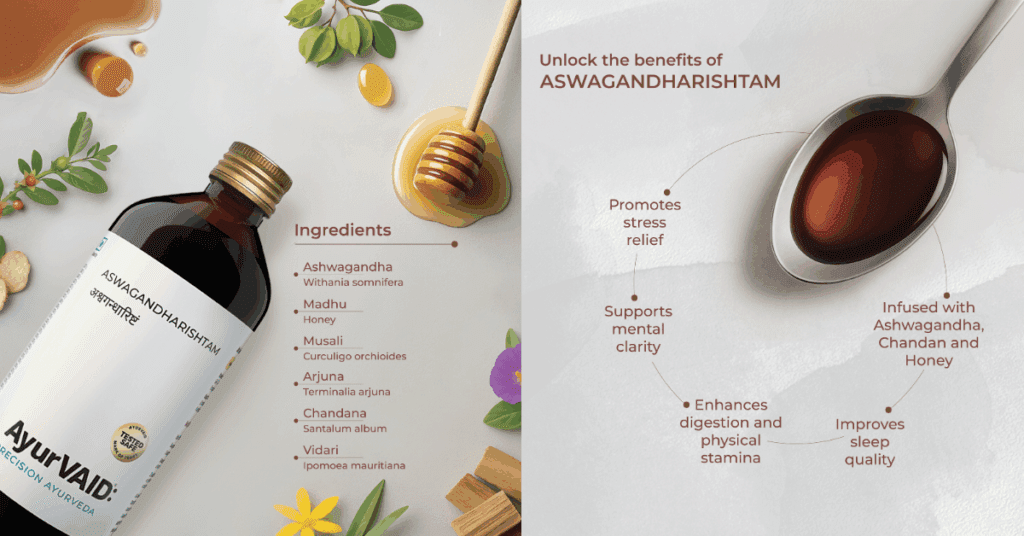
It has long been used when chronic stress starts affecting sleep, stamina, or mental clarity. Instead of acting as a stimulant, it supports balance, helping the body cope better with ongoing physical and mental demands.
- AyurVAID Saraswatharishtam with Gold: Calm Support for Mental Clarity
Saraswatharishtam with Gold draws inspiration from Goddess Saraswati, symbolising clarity and balanced thought. Herbs such as Brahmi are slow-decocted and naturally fermented, improving the absorption of their subtle, aromatic compounds. Swarna Bhasma is added according to classical Ayurveda principles.

- AyurVAID Balarishtam: Rebuilding Strength Gradually
Balarishtam is formulated with Bala and Ashwagandha, herbs associated with nourishment and physical strength. Through fermentation, it becomes easier for the body to absorb and utilise over time. It has traditionally been used during phases of weakness or low endurance, especially in Vata imbalance.
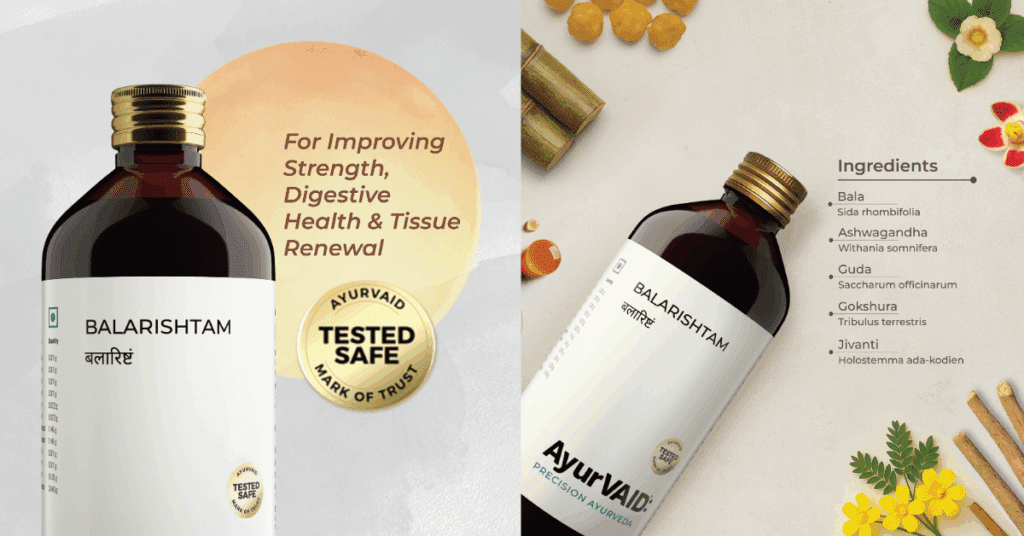
Its action is gradual, supporting muscle strength, metabolism, and tissue nourishment without strain.
- AyurVAID Amrutharishtam: Steady Support During Recovery
Amrutharishtam is commonly used during early recovery, particularly when appetite is low and energy has not fully returned. As a fermented formulation, it supports digestion first, which often sets the foundation for recovery.

It works slowly and steadily, helping energy return in a more consistent way rather than creating short-lived improvement.
- AyurVAID Abhayarishtam: Supporting Digestive Regularity
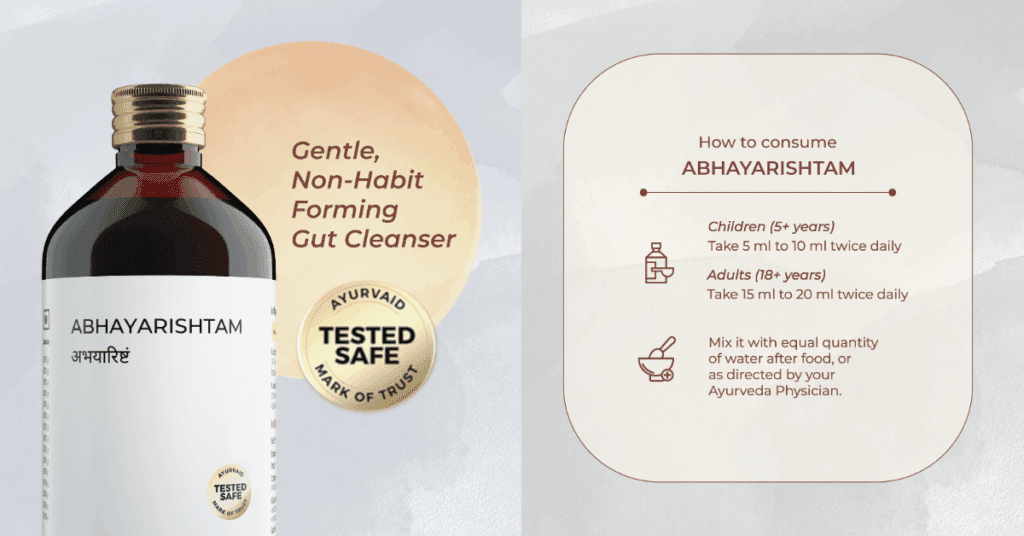
Abhayarishtam is prepared from the Abhaya herb, which literally means “no fear.” It is intended to support the comfort and regularity of the digestive system. Since Abhayarishtam is made by using a natural fermentation process, it helps maintain gut activity and function without creating a habit-forming dependency on the product.
A Few Things to Keep in Mind
- The taste may feel strong at first. Totally normal.
- The colour, aroma, and sediment are natural.
- They can be used alongside modern healthcare (with guidance).
Arishtas are designed to support the body, rather than producing short-term and immediate effects.
Conclusion
These days, getting a clean, well-made arishta isn’t as tricky as it once was; many brands do a good job. But Apollo AyurVAID goes a step further. Their medicines are India’s first and only TESTED SAFE Ayurveda range, with heavy metals, aflatoxins, and microbial load all well within permissible limits. Fully aligned with API standards, each bottle delivers purity, safety, and consistent therapeutic integrity, so you can trust exactly what you’re taking.
References