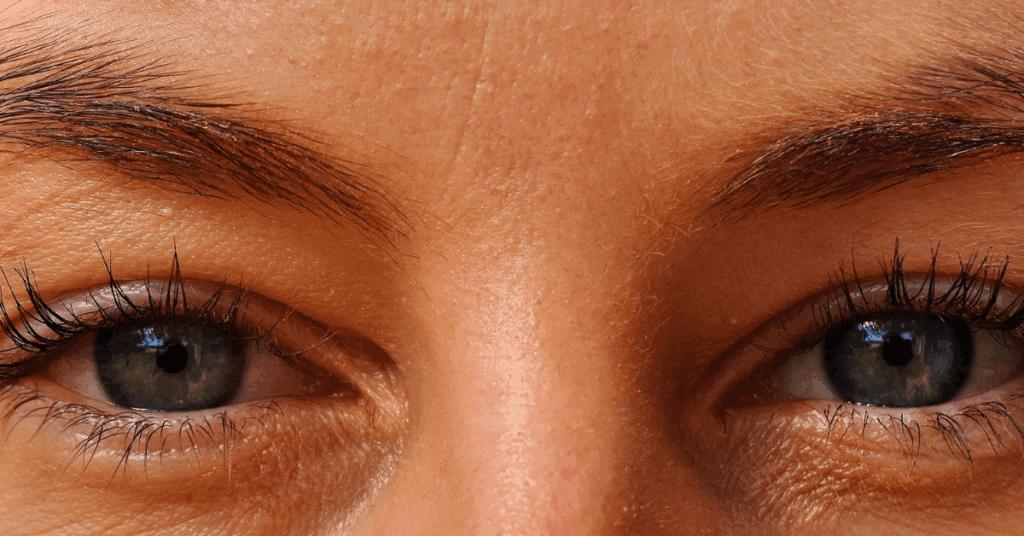
Dry Eyes

Table of Contents

Introduction

The experience of having grit, fatigue, and burning sensations in one’s eyes has become an annoyingly frequent occurrence. Dry Eye Syndrome, also known as Keratoconjunctivitis Sicca, is now commonly referred to by its medical name, Dry Eye Disease. What was traditionally considered an affliction of old age is now common among young individuals, as well as children, due to their excessive use of technology. Although there is conventional medical treatment for temporary relief from the discomforts, increasingly, people are resorting to Ayurvedic eye treatment in search of a long-term solution.

In Ayurveda, the disease is called “Shushkakshipaka”, which generally describes an infection that reaches every part of the eye and is due to the loss of the eye’s “unctuous quality”, or moisturising lubrication. Understanding the Ayurvedic treatment for dry eyes offers a path toward restoring the eye’s natural homeostasis rather than just masking the symptoms with artificial drops. Let’s discuss how to cure dry eyes permanently, the reasons for dry eyes, and how to prevent eye dryness in this blog.

What are the causes of dry eyes?

The reasons for dry eyes are multifaceted, ranging from biological changes to modern lifestyle habits. Allopathy and Ayurveda medicine also stress that a healthy tear film, consisting of lipid, aqueous, and mucin layers, is a must to protect the eye surface properly.

  • Tear Film Instability: Tear instability occurs due to an imbalance in tear homeostasis, leading to hyperosmolarity and inflammation of the tears.
  • Computer Vision Syndrome (CVS): Using electronic devices a lot makes the eyes blink less often, from the normal rate of 16 to 20 times a minute to only 6 to 8 times a minute. This makes tears dry up quickly.
  • Environmental Factors: Air conditioning, swift winds, pollution from cities, and low humidity.
  • Age-related and Hormonal Changes: Less tears are made because the volume of tears is lower because there is less androgen or too much oestrogen, which affects the lacrimal gland.
  • Meibomian Gland Dysfunction (MGD): The meibomian glands are responsible for secreting the lipid (oil) layer of our tears. If the meibomian gland becomes obstructed, tear production is affected.

As per Ayurveda, the imbalance in the Vata and Pitta primarily results from the consumption of dry, pungent, and “unwholesome” diets (Achaksusya Nidana), along with excessive stress and irregular sleep patterns.

What are the symptoms of dry eyes?

Symptoms of dry eye can be quite debilitating, impairing both work productivity and emotional well-being.

  • Vishushkatva: Always, there is a feeling in the eyes as if they lack moisture.
  • Gharsha: A sandy sensation – as if dust or sand is in the eye.
  • Netra Daha: Severe heat or burning sensation in the eyes, especially aggravated toward the end of the day.
  • Avila Darshanam: A fluctuating or blurred vision that may temporarily improve after blinking.
  • Kricchronmeela: Difficulty opening the eyes may be said to occur when the lids appear to be “stuck” or heavy, especially in the morning.
  • Netra Klama: Tiredness in general, or a sensation of the eye feeling “tired”.
  • Photophobia: Increased sensitivity to light.
Insurance Backed

Precision Ayurveda
Medical Care

It is essential to identify the type of dry eye since treatment strategies are different depending on that information. First, they check if there is inadequate tear production or if the tears dry up too quickly.

To achieve this, the following tests may be recommended:

  • Schirmer’s: A thin strip of paper is cautiously placed inside the bottom lid of each eye to determine the amount of tear production in your eyes. If the strip of paper wetted incomparably less in five minutes, it reinforces the tear deficiency.
  • Tear Film Break-Up Time (TBUT): This test measures how long your tears remain on your eyes after blinking. A tear film that does not last long will reveal unstable tears.
  • OSDI Questionnaire: This quiz consists of simple questions designed to help you assess the frequency of dryness, irritation, and blurred vision, as well as their impact on your daily life.
  • Slit Lamp Exam The eye specialist uses a unique microscope to examine the front part of your eyes to see if any damage, redness, or deposits have occurred due to drying.

Ayurvedic treatment for dry eye

In modern medicine, the treatment of the condition involves the constant use of artificial tears. There is a quest to see how to cure dry eyes permanently using the Ayurveda approach, with the intention of pacifying Vata and Pitta and giving Preenana (nourishment) to the eyes.

  1. Akshi Tarpana (Oleation Therapy): It is the most distinctive feature of Ayurveda eye care. The dough rim around the eye is filled with warm and medicated ghee. It heals the damaged This treatment nourishes the tissues and improves the health of the lipid layer in the tear film. It even increases the strength of eye muscles.
  2. Nasya Karma: Medicated oils are administered through the nostrils, since the nostrils are regarded as entry points for the treatment on the head; thus, it is used for nourishing the sense organs and purging channels associated with the eyes.
  3. Anjana (Collyrium): Application of medicinal pastes on the inner lids helps in the secretion of the aqueous, lipid, and mucin layers of the tear film.
  4. Snehapana: Taking medicated ghee helps to keep the body moist from the inside and can also reach the eyes to refresh their tissues.
  5. 5. Netra Seka/Prakshalana: Eye washes with decoction, or medicated milk help alleviate burning sensations and dryness.

Home Remedies for Dry Eye

Learning how to prevent eye dryness involves simple, daily adjustments to protect your ocular health.

  • Eye Wash: Washing your eyes with the help of an eyewash cup with honey water (using honey mixed with boiled, cooled water) or lukewarm milk is advisable. This will help achieve a cooling and antioxidant effect.
  • Digital Hygiene: Try living by the “early to bed, early to rise” rule. If you are working on computer screens, make it a habit to blink your eyes often and use the 20-20-20 rule—every 20 minutes, focus on an object 20 feet away for 20 seconds.
  • Hydration & Diet: Drink adequate water every day. Take omega-3 fatty acids (fish oil or flaxseed) and vitamin A (carrots, leafy vegetables) to promote tear secretion.
  • Warm Compresses: Applying a warm cloth to your eyelids may relieve blocked meibomian glands and stimulate tear secretion by encouraging the flow of their secretions.
  • Avoid Irritants: Avoid exposure to direct air blown by heaters or AC, and shield your eyes from wind and dust using wrap-around sunglasses.

When to Seek the Doctors

While many cases of dry skin respond well to lifestyle changes, the following issues may require medical attention.

  • See a doctor if your symptoms persist or the condition is causing so much discomfort that it interferes with your sleep or distracts you from your daily routines.
  • If you have deep cracks that bleed, open sores, or signs of infection such as inflammation, soreness, or foul-smelling discharge.
  • Dry skin that cracks lets in bacteria, potentially leading to infections or aggravating conditions like atopic dermatitis.
  • If you have a chronic disorder affecting you, such as diabetes, psoriasis, or eczema, or if dryness is generalised and persistent

Conclusion

Dry eye is an imbalance of our tears, which are far more complex and precarious than what we experience when we don’t have tears at all. The quick fix through lubrication may only be a “band-aid solution” when traditional Ayurvedic eye treatment encompasses the full and complex process of restoring the eye’s natural health. By adopting Ayurveda therapies, we can successfully alleviate the problem and preserve the acuity of our most precious senses.

FAQs

What is the best Ayurvedic oil for dry skin?
Using Vata-balancing oils such as Sesame or medicated oils can reduce the symptoms of dry skin. For face and body moisturising, Kumkumadi taila and Eladi oil are recommended, as they effectively relieve skin and lip dryness.
Can Triphala help with dry skin?
Excessive bitter and astringent tastes (which Triphala contains) can induce dryness. Consuming triphala should generally be avoided during cold weather to prevent Vata vitiation and increased skin dryness.
How to treat dry skin allergies at home?
General home treatment involves applying a hypoallergenic and fragrance-free moisturizer for dry skin, such as petrolatum, immediately after bathing to seal in water and help skin hydration. You can also apply Aloe Vera pulp mixed with turmeric powder externally; this paste is left on for 20 minutes and washed off with water to help soothe the skin.
Is dry skin related to digestion in Ayurveda?
Yes, dryness (Ruksha) is a key quality of Vata Dosha, and increased Vata due to cold weather can exacerbate dryness. If inadequate food quantity is consumed when the digestive fire is high (such as during winter), the body may consume its own tissues (Rasa Dhatu depletion), leading to Vata imbalance and increased dryness symptoms.
How to remove dead skin from the face?
To remove scales and rough patches, the skin should be gently exfoliated; exfoliating agents can be applied to help shed dead cells. Using mild, non-alkaline soaps or fragrance-free cleansing creams and rinsing thoroughly also supports the renewal of the skin surface.

REFERENCES

Kakkooth, S P et al. (2024). Detailed Analysis of Mukha-Twak Pariksha through Ayurvedic and Basic Contemporary Parameters. AYUSHDHARA. external link
Gujjar, P et al. (2025). An overview of Kitibha Kushtha (Psoriasis) and the methods used in Ayurvedic scriptures to manage it. Journal of Ayurveda and Integrated Medical Sciences. external link
Khatri, A N et al. (2024). A Case Study of the Management of Childhood Atopic Dermatitis Applying Ayurveda Treatment. Journal of Natural Remedies. external link
K, L M et al. (2023). A Case Study on the Ayurvedic Management of Childhood Atopic Dermatitis. International Journal of Ayurveda and Pharma Research. external link
Shah, S A et al. (2022). Management of Skin Disorders in Ayurveda : A Review. International Research Journal of Ayurveda & Yoga. external link
Did the information meet your needs?

As we work hard to improve our services, your feedback is important to us. Please take a moment to help us serve you better.

Stay Connected to Health and Wellness

Subscribe to our hospital newsletter for the latest health tips, updates on services, patient stories, and community events. Sign up today and stay informed!

Homepage B RCB

Please fill out the form below to Request a call back

Patient details

Select Preferred Center

Table of Contents

Popular Searches: DiseasesTreatmentsDoctorsHospitalsWhole person careRefer a patientInsurance

Hours of Operation:
8am – 8pm (Mon-Sat)
8am – 5pm (Sun)

Follow Apollo AyurVAID hospitals

We’d Love to Hear from You!

Feedback form(disease page)