After many years of practising Ayurveda, I have stopped seeing festivals as celebrations alone. I now see them as quiet instructions from nature. Gentle reminders. Sometimes, even subtle warnings. Pongal, Lohri, and Makar Sankranti are different names for the same seasonal transition, observed across regions, and they arrive at a moment when nature itself begins to shift direction. The human body responds to this change, whether we consciously notice it or not.
Winter does not end abruptly. It withdraws little by little. The mornings remain cold, yet the sun’s warmth feels altered. Hunger behaves differently. Sleep becomes lighter. Many people feel restless without understanding why. Ayurveda observed this pattern thousands of years ago and named it Ritusandhi, the meeting point of seasons. During this phase, the body becomes more sensitive. Digestion can weaken easily. Immunity may fluctuate. Emotional balance feels delicate. That is precisely why these festivals were created.
Ritusandhi, Uttarayana and Dakshinayana: How the Body Follows the Sun
In Ayurveda, the movement of the sun is not only astronomical. It is biological. During Dakshinayana, when the sun moves southward, the body gains strength. Tissues build. Immunity improves. Digestion feels stable.
Uttarayana is different. As the sun begins its northward movement, the body slowly starts losing strength. This does not mean illness is inevitable. But it does mean the body needs support.
Makar Sankranti marks the beginning of Uttarayana. Ayurveda never treated this day as a sudden shift. Instead, it was seen as a reminder to be careful. Not fearful. Just aware. Our ancestors understood that the body cannot be pushed abruptly. It needs warmth, nourishment, and time.
Dosha Flow During This Season
Late winter accumulates Kapha. Coldness, heaviness, mucus, and sluggishness all build quietly. At the same time, Vata becomes unstable due to cold winds and low moisture. Digestion stays strong only as long as care is taken.
As Uttarayana progresses, Kapha begins to melt. If digestion is weak, this melting turns into congestion and illness. If Agni is protected, the same process becomes cleansing.
This is why the foods and rituals of Pongal, Makar Sankranti and Lohri are so important. They support digestion while preventing Dosha imbalance. This is seasonal medicine, not indulgence.
Why These Traditional Foods Were Never “Random”
People often ask me whether they should avoid sweets during festivals. I usually smile before answering. The problem is not sweets. The problem is forgetting why those sweets existed.
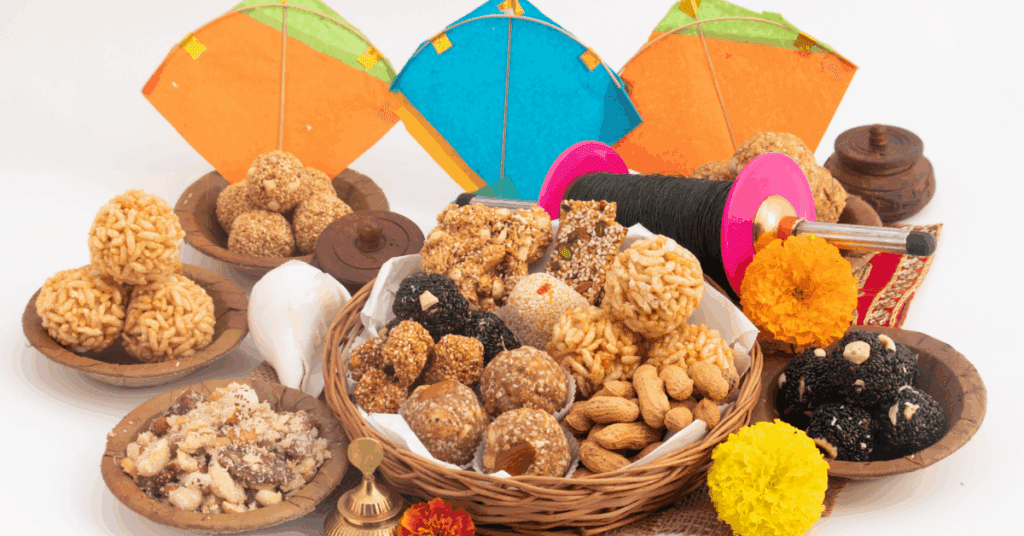
Jaggery was used because it warms the body and supports digestion. Sesame was chosen because it nourishes joints, skin, and nerves affected by winter dryness. Ghee protects Agni instead of weakening it. Rice grounds the body and prevents Vata aggravation.
Each ingredient works with the season. None of it is decorative. Eating this way during winter strengthens digestion. Eating the same foods carelessly, at the wrong time of year, does not.
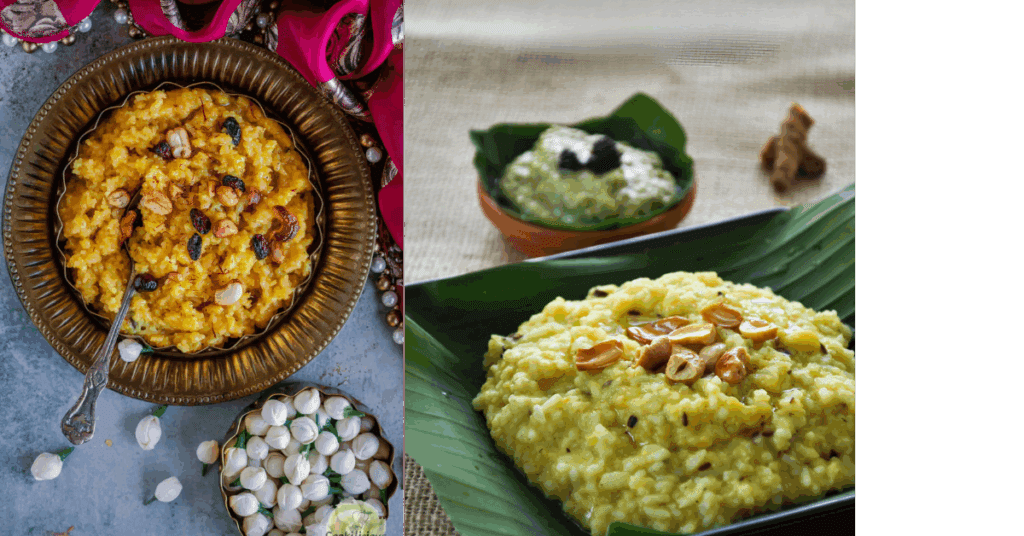
Pongal: Food That Grounds and Reassures
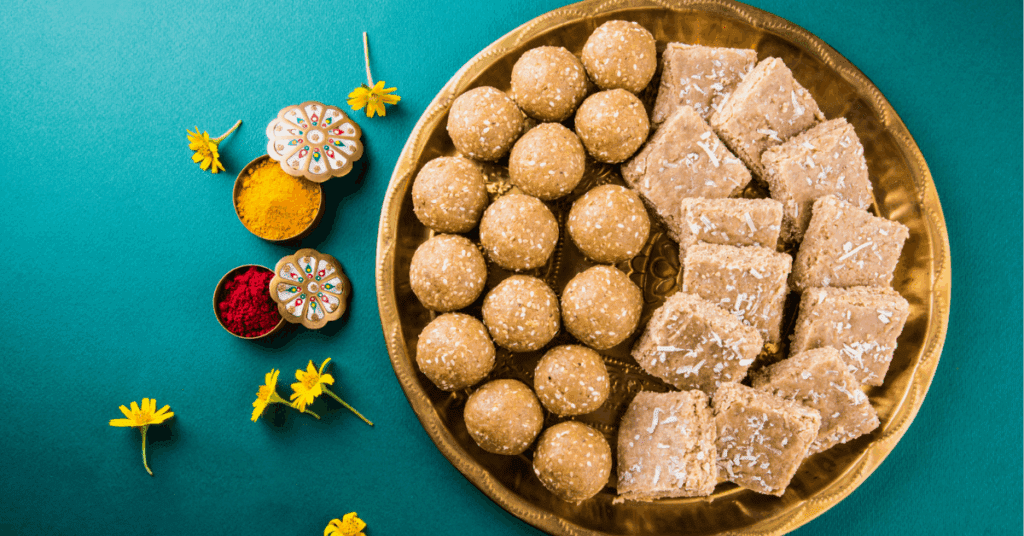
Pongal is the kind of food the body feels comfortable with. Soft. Warm. Reassuring.
Freshly harvested rice cooked slowly with milk, jaggery, and ghee creates something deeply stabilising. From an Ayurveda perspective, Pongal builds Ojas—the essence responsible for immunity, calmness, and inner strength.

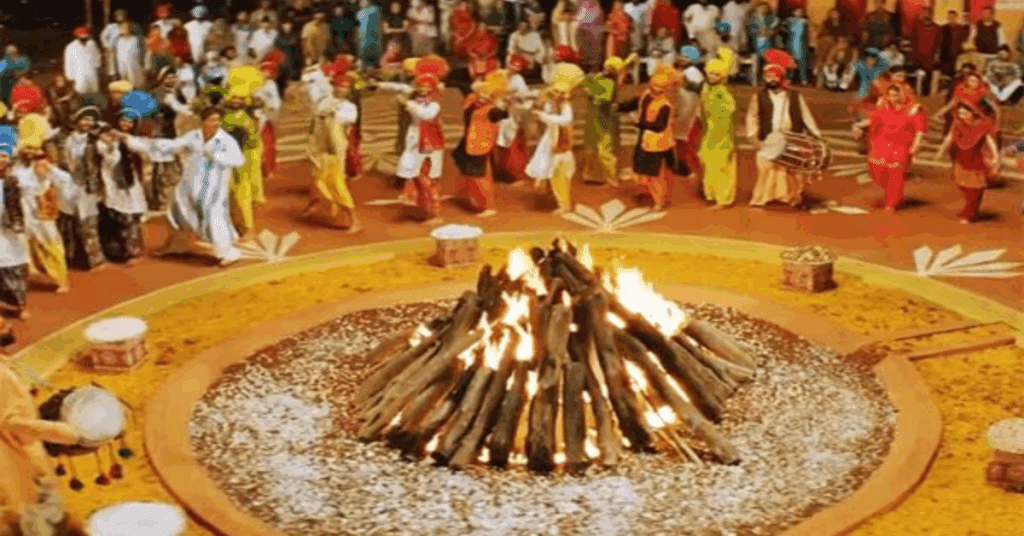
Lohri: Fire as Therapy
Small changes at the toilet table can make a big difference:
- Use a squatty-type footstool to approximate a squatting posture and ease passage.
- Wipe gently with soft, unscented wet wipes or rinse with water (a bidet is excellent).
- Avoid straining or “holding on” — if the urge comes, go.
- Keep bowel times short: don’t read or use the phone in the loo — resisting the urge or prolonging it can worsen straining.
These measures are simple but part of effective “how to treat fissure at home” routines.
Makar Sankranti and the Body’s Adjustment
At this point in the season, the sun completes its shift and begins its northward journey. The celebration may be known as Pongal, Lohri, or by other regional names, but the body experiences the same transition everywhere. As Uttarayana sets in, the strength supported by winter slowly starts to reduce, and dryness and instability can increase if the body is neglected. This is why oil massage becomes important during this time. It protects the joints, steadies the nervous system, and prevents excess dryness. Gentle sun exposure supports metabolism, while simple bathing rituals help the body and mind release accumulated heaviness. Til and jaggery combinations serve the same purpose, improving circulation and preventing stiffness. Even the emphasis on calm speech has meaning, as Ayurveda recognises that mental disturbance affects digestion just as deeply as unsuitable food.
Why These Festivals Still Matter
Many of the health problems we see today do not appear overnight. Digestive issues, anxiety, joint discomfort, and low immunity often develop because we live disconnected from seasonal rhythms. The body is asked to function the same way all year round, even when nature is clearly changing. When Pongal, Lohri and Makar Sankranti are observed with awareness, they gently restore this lost connection. Food, routine, warmth, and rest begin to align again. Tradition turns into prevention. Celebration becomes a form of care rather than excess.
These festivals are also a way of expressing care for one another. Sharing food, warmth, and presence helps reinforce balance, strength, and well-being for the season ahead.
References