
Raktamokshana

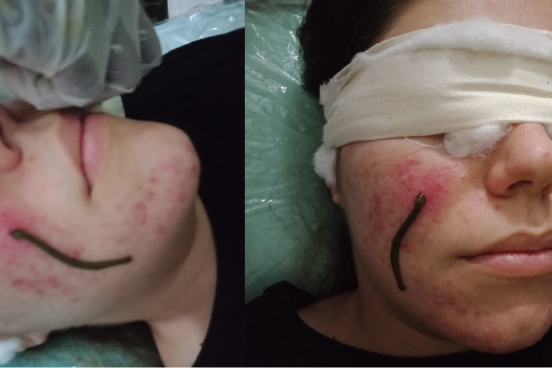
The poisonous blood is let out from the body by using special surgical instruments or with the controlled use of leeches to suck out the impure blood
Table of Contents
Treatment
Treatment of Contents

Raktamokshana

Raktamokshana, a therapeutic para-surgical practice in Ayurveda, focuses on eliminating vitiated blood from the body to address various health concerns.

It is a crucial part of the Panchakarma therapy. This specialized technique comprises methods such as incision, venesection, leech therapy, and cupping, each targeting specific conditions and areas of the body. Raktamokshana is useful to detoxify the blood, improve circulation, and alleviate conditions like skin disorders, arthritis, and certain chronic ailments by removing toxins and promoting better blood flow.

Types of Raktamokshana:

  • Pracchanna (incision): In this method, a vein or artery is punctured or incised to let out the impure blood. It can be done using a surgical knife or a specialized instrument.
  • Sira Vyadha (venesection): This involves making small incisions in veins to allow the impure blood to flow out. It’s similar to modern bloodletting techniques but differs in its Ayurvedic philosophy and approach.
  • Jalauka (leech therapy): Leeches are applied to the affected area, which sucks out the impure blood. Additionally, leech saliva contains bioactive compounds that have therapeutic effects.
  • Alabu (cupping therapy): In this method, cups are placed on the skin, creating a vacuum that draws out the impure blood.

While modern medicine has advanced, Raktamokshana remains relevant as a complementary therapy, particularly when conventional treatments prove inadequate or carry adverse effects. At Apollo AyurVAID, our trained Ayurvedic doctors and therapists ensure the safe and effective application of this traditional practice.

Therapeutic Uses of Raktamokshana

  • Skin Disorders: Eczema, Psoriasis, Acne, Urticaria (hives)
  • Musculoskeletal System: Joint disorders such as Rheumatoid arthritis, Gout, Osteoarthritis
  • Cardiovascular System: Hypertension (high blood pressure), Varicose veins, Thrombosis
  • Metabolic Disorders: Diabetes, Obesity 
  • Immunological Disorders: Allergic conditions, Autoimmune disorders

Benefits of Raktamokshana

  • Detoxifies blood by removing toxins.
  • Improves circulation.
  • Instant pain relief
  • Alleviates skin disorders, arthritis, and chronic ailments.
  • Complementary therapy alongside modern medicine.
  • Personalized to target specific areas/conditions.

Contraindications

Raktamokshana is contra-indicated in:

  • Weakness
  • Anemia
  • Pregnancy
  • Elderly
  • Bleeding disorders
  • Hypotension
  • Infections
  • Malnutrition
  • Severe illness
  • Weak immunity


Raktamokshana Treatment Procedure

Raktamokshana is an Ayurvedic bloodletting therapy used to remove impure blood and toxins from the body, helping to restore balance and improve various skin and circulatory disorders.

  • Patient Assessment
    The practitioner evaluates the patient’s condition, dosha imbalance, and suitability for the procedure before starting the therapy.
  • Preparation of the Area
    The affected area is cleaned and sterilized to maintain hygiene and prevent infection.
  • Selection of Method
    Depending on the condition, an appropriate method such as leech therapy, venesection, or pricking is chosen.
  • Application of Therapy
    In leech therapy, medicinal leeches are applied to the affected area to draw impure blood. In other methods, controlled bloodletting is performed using sterile instruments.
  • Monitoring During Procedure
    The process is carefully observed to ensure safe and adequate removal of impure blood without excessive loss.
  • Removal and Cleaning
    After sufficient bloodletting, the leeches are removed or the procedure is stopped, and the area is cleaned properly.
  • Application of Herbal Medicines
    Herbal pastes or antiseptic preparations are applied to promote healing and prevent infection.
  • Post-Treatment Care
    The area is bandaged if required, and the patient is advised rest along with dietary and lifestyle guidelines.
  • Recovery and Follow-Up
    Follow-up sessions may be recommended based on the condition to ensure complete healing and effectiveness of the treatment.


Apollo AyurVAID’s Approach 

Apollo AyurVAID focuses on precision classical Ayurveda treatment protocols, following the fundamental principles of Ayurveda in addressing the root cause of diseases. At Apollo AyurVAID, Raktamokshana therapy is used in the treatment of various acute and chronic disorders. It provides benefits by removing toxins and impurities from the blood, which can accumulate due to various factors such as pollution, unhealthy diet, and lifestyle habits. It is highly effective in managing conditions like skin disorders, arthritis, gout, and certain chronic diseases where the accumulation of toxins plays a significant role. Our expert Ayurveda doctors and skilled Panchakarma therapists are trained to treat any disorder that requires Raktamokshana therapy. Patient centricity is the core of our treatment approach.

Why Choose Apollo AyurVAID Hospitals?

FAQ on Raktamokshana Treatment

What are the different types of Raktamokshana therapy?
Pracchanna involves puncturing veins or arteries to release impure blood. Sira Vyadha involves small vein incisions, similar to modern bloodletting techniques but with Ayurvedic philosophy. Jalauka uses leech therapy, which sucks out blood with bioactive compounds. Alabu uses cups on the skin to create a vacuum, drawing out impure blood. These methods differ in their approach and working modalities.
What conditions can Raktamokshana treat?
Raktamokshana is beneficial for conditions such as skin disorders (eczema, psoriasis), joint problems (arthritis, gout), circulatory issues (hypertension, varicose veins), and metabolic disorders (diabetes, obesity), among others.
Is Raktamokshana safe?
When performed by trained Ayurvedic practitioners, Raktamokshana is completely safe. However, it's not suitable for everyone, particularly those with conditions like anemia, bleeding disorders, or weakened immunity.
How often should Raktamokshana therapy be performed?
The frequency of Raktamokshana therapy may vary depending on individual health needs and Ayurvedic doctor’s recommendations. It can be performed in one sitting or intermittently in multiple sittings as needed for specific conditions.
Are there any side effects of Raktamokshana?
Side effects of Raktamokshana may include temporary discomfort, bruising, or mild pain at the site of therapy. However, serious complications are rare when performed by skilled practitioners in a controlled environment.
Do I need to follow any specific post-treatment care instructions?
Yes, following post-treatment care instructions provided by your Ayurvedic doctor is crucial. This is called Pashcat Karma and includes dressing of the site, certain dietary recommendations, lifestyle adjustments, and any follow-up appointments to ensure the best outcomes.

Other Precision Treatments

* Outcomes may vary from person to person

Popular Searches: DiseasesTreatmentsDoctorsHospitalsWhole person careRefer a patientInsurance

Follow Apollo AyurVAID hospitals