Lots of people worry about their blood sugar because of how we live and eat now. We don’t move much, and we eat not-so-healthy stuff, which is causing more diabetes. But there’s this old Indian way of medicine called Ayurveda that looks at everything together. It talks about eating better, living better, and using plant stuff to help with blood sugar. Ayurveda can help us control blood sugar and avoid diabetes problems.
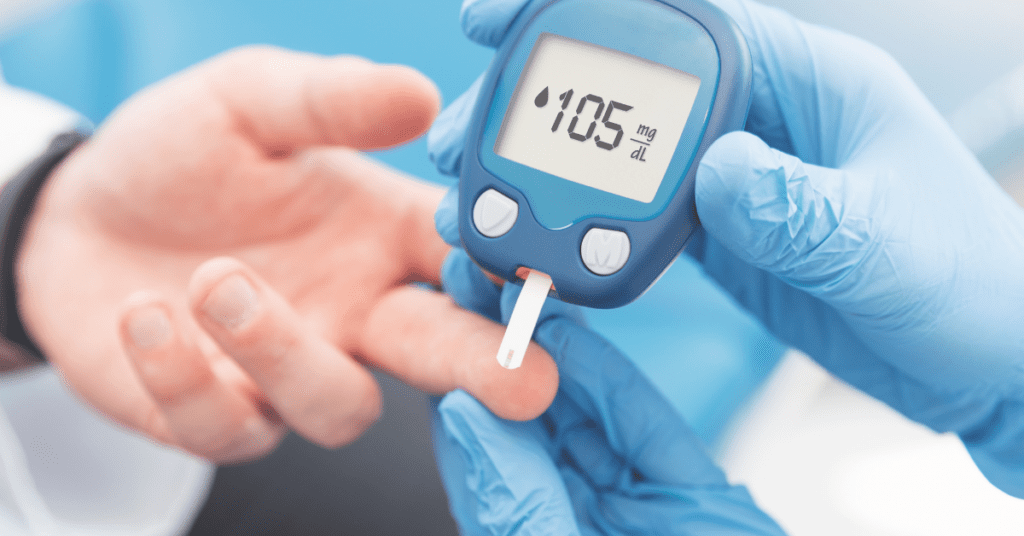
Understanding Ayurveda's Perspective on Blood Sugar Imbalance
Ayurveda views the body as a complex interplay of three doshas – Vata, Pitta, and Kapha. Diabetes is often considered a result of aggravated Kapha dosha and impaired digestion. According to Ayurveda, maintaining a balanced dosha state is crucial for overall health, including blood sugar regulation.
Ayurvedic Understanding of Prediabetes
In Ayurveda, prediabetes is seen as the early stage of Madhumeha (diabetes). It happens when the body’s metabolism slows down and excess Kapha dosha (linked to heaviness and sluggishness) builds up. This leads to weak digestion (low Agni), toxin buildup (Ama), and imbalance in body tissues—especially fat (Meda dhatu).
Ayurveda explains that prediabetes develops from an unhealthy lifestyle—eating heavy, oily, or sweet foods, being inactive, sleeping too much during the day, or feeling constant stress. Over time, these habits affect how the body processes sugar and energy.
Early signs may include tiredness, frequent urination, excessive thirst, mild weight gain, and a feeling of heaviness or laziness.
Ayurveda believes this stage is reversible. The focus is on improving digestion, balancing Kapha, and restoring metabolism through:
- Light and warm food with more vegetables and less sugar or dairy
- Herbs like Gudmar, Triphala, and Turmeric to support blood sugar balance
- Regular exercise, yoga, and stress management
By making these changes early, prediabetes can often be managed naturally and prevent it from progressing to diabetes.
Herbs & Formulations for Blood Sugar Control
Ayurveda offers several powerful herbs and formulations that help balance blood sugar levels naturally by improving metabolism, strengthening digestion, and supporting pancreatic function. Here are some of the most effective ones:
1. Gudmar (Gymnema sylvestre)
Known as the “sugar destroyer,” Gudmar helps reduce sugar absorption in the intestines and improves insulin function. It also curbs sugar cravings and supports healthy glucose metabolism.
2. Vijaysar (Pterocarpus marsupium)
Vijaysar wood is traditionally used to control blood sugar. Drinking water kept overnight in a Vijaysar tumbler is said to help maintain normal glucose levels.
3. Methi (Fenugreek)
Fenugreek seeds are rich in soluble fiber, which slows carbohydrate absorption and lowers blood sugar spikes. Soaking a teaspoon of seeds overnight and consuming them in the morning is a common home remedy.
4. Jamun (Indian Blackberry)
Jamun fruit and seed powder help enhance insulin activity and reduce excessive urination and thirst, which are common symptoms in diabetes.
5. Amla (Indian Gooseberry)
Amla is packed with vitamin C and antioxidants. It helps rejuvenate the pancreas and improves overall metabolism.
6. Turmeric (Haldi)
Turmeric’s compound curcumin reduces inflammation and supports better insulin sensitivity, making it helpful for long-term glucose control.
7. Triphala
A blend of Amla, Haritaki, and Bibhitaki, Triphala improves digestion, detoxifies the system, and enhances nutrient absorption—key factors in managing blood sugar.
8. Ayurvedic Formulations
- Nishamalaki Churna – A combination of turmeric and amla that balances blood sugar.
- Chandraprabha Vati – Supports kidney function and metabolic balance.
- Vasanta Kusumakar Ras – A classical formulation used in chronic high blood sugar cases under expert guidance.
- Triphala Guggulu – Helps with weight management and fat metabolism.
Usage and Caution
These herbs and formulations should be taken under the guidance of a qualified Ayurvedic practitioner, especially if you’re already on medication for diabetes. Regular monitoring of blood sugar levels is important to avoid hypoglycemia and ensure safe, effective management.
Balancing Diet and Lifestyle
Diet: In Ayurveda, eating the right foods is really important. Choose foods that don’t make your blood sugar go up quickly, like whole grains, lean proteins, and veggies. Bitter foods like bitter gourd and fenugreek are good for controlling blood sugar. Try not to eat too many sugary, processed, or really refined foods.
Eating Habits: Ayurveda says how you eat matters. Eating calmly and chewing your food well helps your body digest it properly and stops you from eating too much. It’s also good to eat smaller meals regularly, so your blood sugar stays steady.
Hydration: Staying adequately hydrated is essential. Drinking warm water infused with herbs like cinnamon, turmeric, or fenugreek seeds can be beneficial for managing blood sugar levels.
Physical Activity: Regular exercise is a cornerstone of Ayurveda lifestyle recommendations. Engaging in moderate physical activities like yoga, walking, and swimming can improve insulin sensitivity and help regulate blood sugar levels.

Natural Remedies and Supplements
Ayurveda offers a range of natural remedies and supplements that may support blood sugar control:
Bitter Gourd (Karela): This bitter vegetable is known to have hypoglycemic effects, helping to lower blood sugar levels.
Cinnamon: Cinnamon may improve insulin sensitivity and reduce blood sugar levels after meals.
Fenugreek (Methi): Fenugreek seeds are rich in soluble fiber, which can slow down carbohydrate digestion and glucose absorption.
Gymnema Sylvestre: This natural ingredient is believed to reduce sugar cravings and block sugar absorption in the intestines.
Stress Management
Ayurveda recognizes the impact of stress on blood sugar levels. Chronic stress can elevate blood sugar levels through hormonal pathways. Practicing relaxation techniques such as meditation, deep breathing, and mindfulness can help manage stress and promote balanced blood sugar levels.
Detoxification and Panchakarma
Panchakarma is a detoxification process in Ayurveda that involves cleansing the body of accumulated toxins. This process can improve cellular sensitivity to insulin and support overall metabolic health, thus aiding in blood sugar regulation.
Consulting an Ayurveda Doctor
In Ayurveda, each person has a unique body type and balance. This affects how their body handles things like food and stress. To understand this, it’s good to talk to an Ayurveda expert. They can figure out your special body type and suggest a plan for what to eat, how to live, and which natural remedies might help you control your blood sugar better. It’s like getting a personalized guide to keep your body in balance and your blood sugar in check.
Conclusion
Ayurveda is like a complete guide to help keep your blood sugar levels stable. It suggests finding a balance in your body, picking good foods, staying active, and using natural herbs to stay healthy. If you follow these ideas, you can work towards keeping your blood sugar in a good range and avoiding problems that come with diabetes. Just remember, it’s important to be patient and consistent when you try these Ayurveda ways. And if you’re already taking diabetes medicine or have other health issues, talk to a doctor before changing things.