- AyurVAID Pharmacy
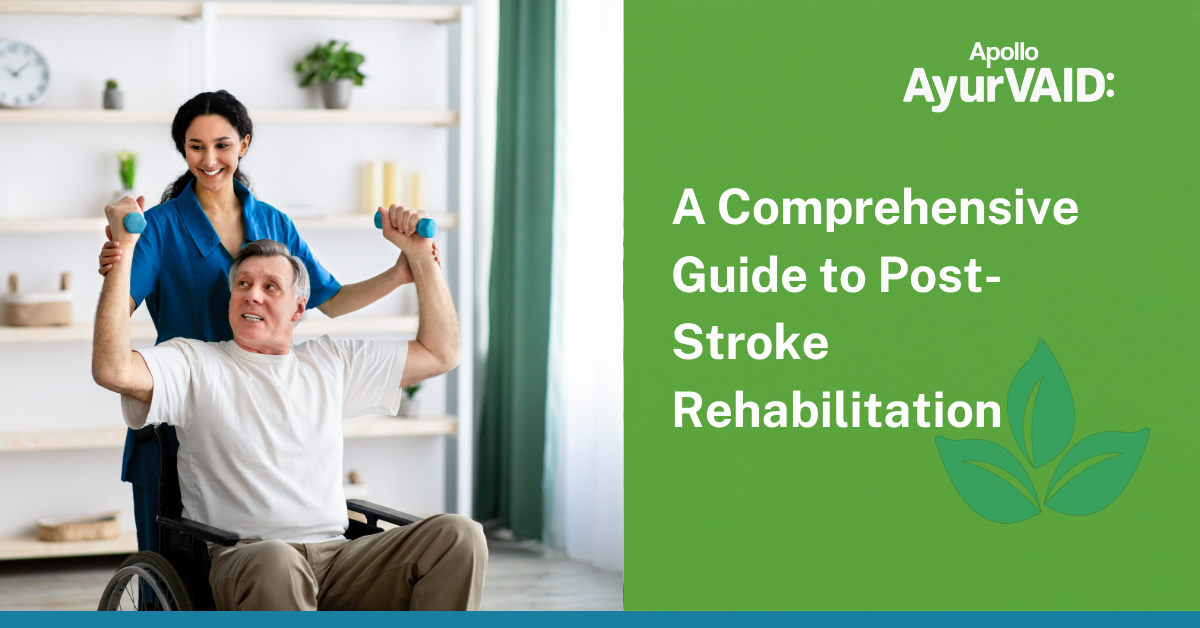
A stroke (Pakshaghata) can suddenly change everything: movement, speech, independence. In a bustling city like Bangalore—where stress, long work hours and lifestyle-related illnesses are common—rehabilitation that combines time-honoured Ayurveda principles with modern therapies gives survivors the best chance to recover function and reclaim daily life. At Apollo AyurVAID Bangalore we deliver an Integrative Stroke Rehabilitation Program that pairs Precision Ayurveda with physiotherapy, speech therapy and outcome-based monitoring.
Several local patterns can affect recovery here:
High-stress IT culture — chronic stress and disrupted sleep worsen Vata imbalance, which in Ayurveda underpins Pakshaghata.
Cool, dry mornings — increase stiffness and spasticity, making movement harder.
Sedentary habits and metabolic disease — diabetes, hypertension and prolonged sitting raise both stroke risk and the challenge of rehabilitation.
The golden period — the first three months after stroke are critical: early, intensive rehabilitation produces the largest functional gains.
We aim for realistic recovery that is mapped, measured and adapted:
Assessment: a combined Ayurveda evaluation (Nidana-Panchaka) with modern investigations and functional scales.
Goal-setting: short- and long-term milestones for mobility, self-care and communication.
Individualised therapy: Vata-balancing Ayurveda procedures integrated with targeted physiotherapy, speech and occupational therapy.
Reassessment: we track progress using validated tools such as the Barthel Index and Fugl–Meyer Assessment, and adjust the plan accordingly.
Phase 1 — Stabilisation: gentle Abhyanga (therapeutic oil massage), Talam and supportive measures to calm the nervous system and reduce muscle tone.
Phase 2 — Core therapy: Virechana (purgation) and Vasti (medicated enemas) where indicated to correct metabolic imbalance and support the gut–brain axis, facilitating motor recovery.
Phase 3 — Strengthening & re-learning: Medhya rasayanas (cognitive and nervous-system tonics), intensive physiotherapy, occupational therapy and speech rehabilitation to rebuild endurance, coordination and communication.
NABH-standard care: Our centres set a national benchmark for quality Ayurveda services—safety, documentation and clinical governance matter.
Comprehensive rehabilitation: we address motor, cognitive and neglected contributors such as neuroinflammation, sleep disruption and constipation.
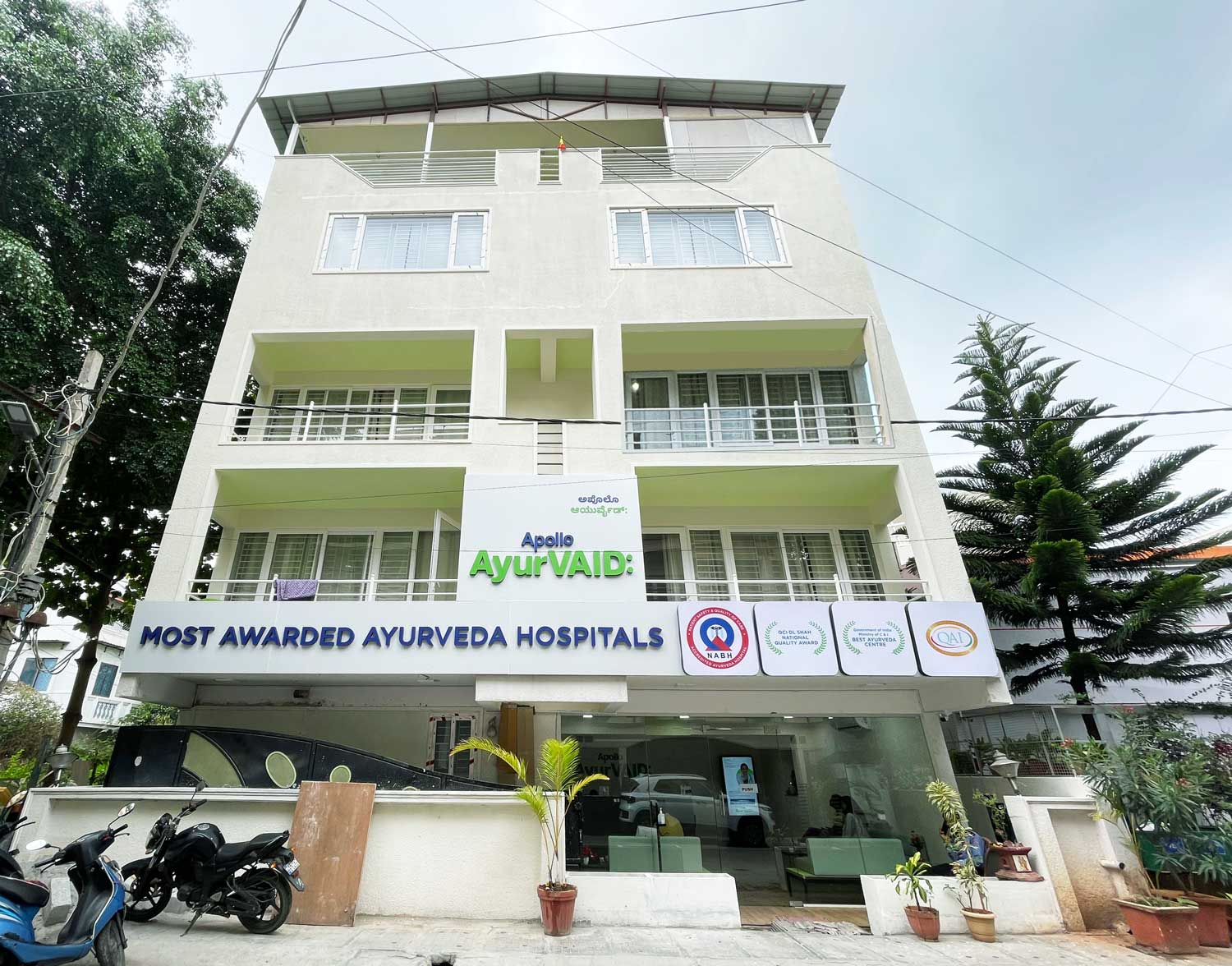
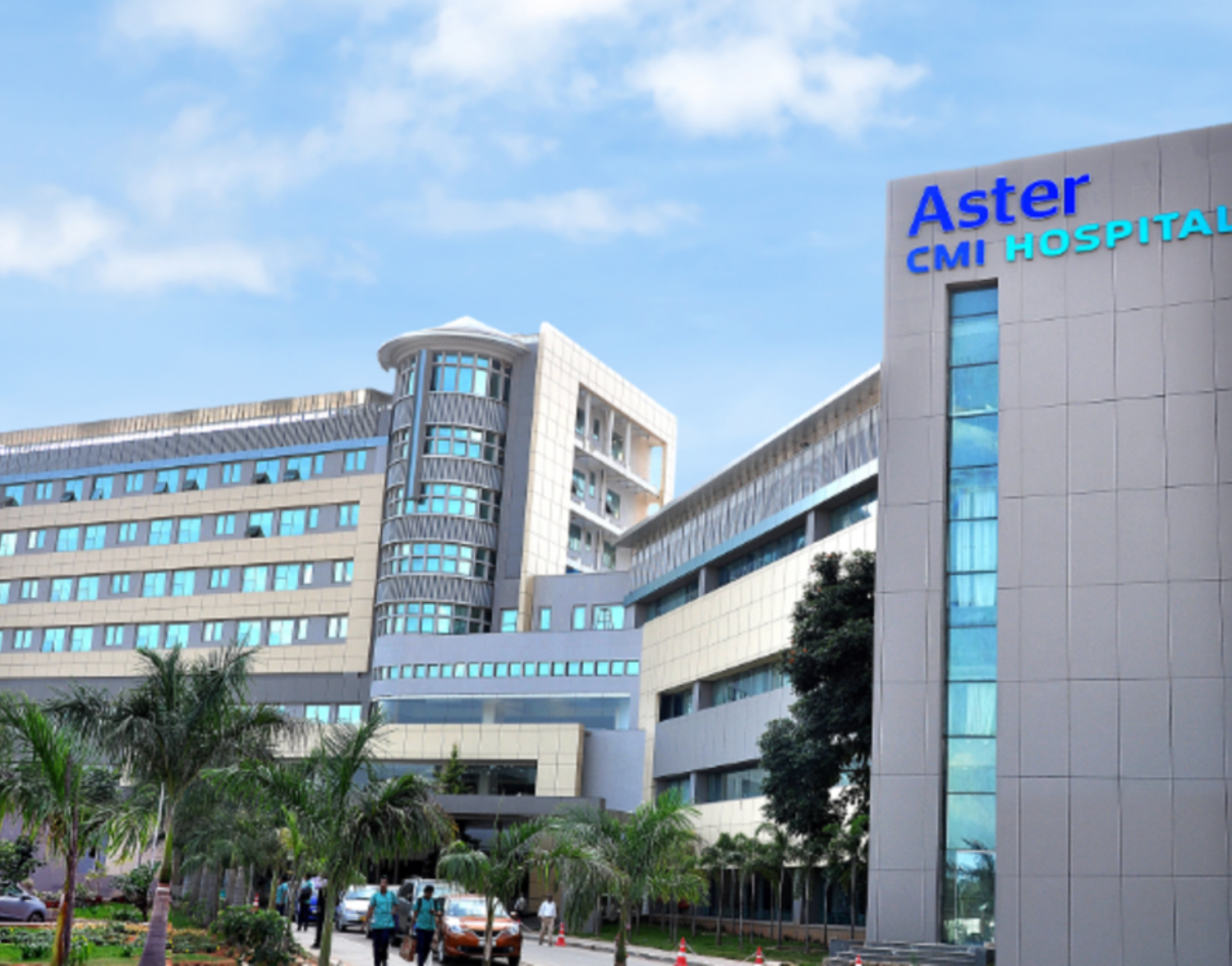
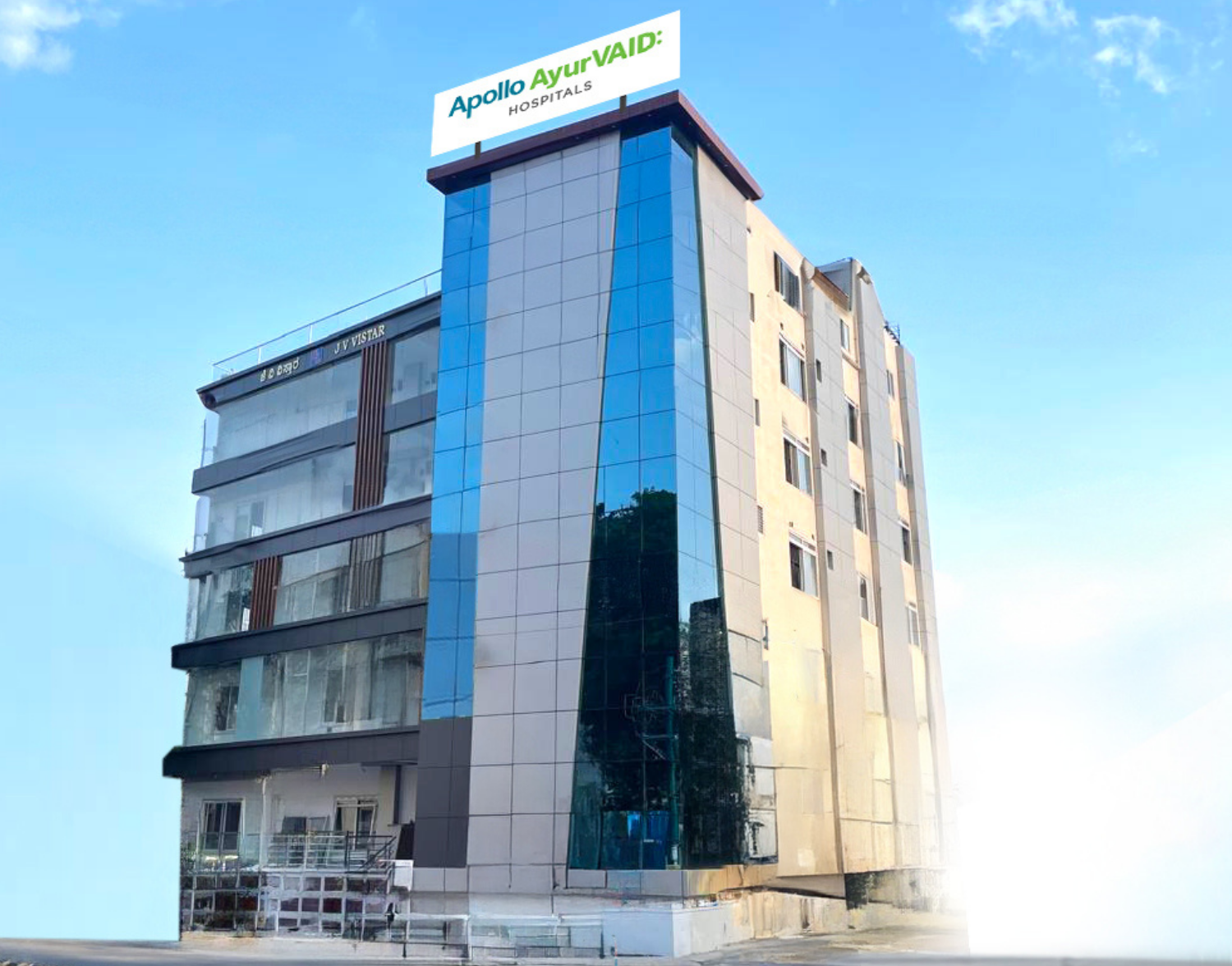
Accessible network: Domlur (flagship), Aster CMI Hebbal, HRBR Layout and Arekere — continuity of care close to home or work.
Integrated teams: Ayurveda physicians collaborate with physiotherapists, speech-language pathologists, neuro-rehab specialists and counsellors for coordinated recovery.


1.Prioritise bowel and bladder regularity.
Constipation worsens recovery and increases discomfort. Include fibre (ragi, cooked vegetables), adequate fluids, and, if needed, doctor-recommended gentle laxatives or herbal aids like warm cumin/ginger water.
2.Medication adherence and timing.
Take blood-pressure, antiplatelet/anticoagulant, statin and diabetic medicines exactly as prescribed. Keep a daily pill chart and set phone reminders. Never stop or change doses without your physician’s approval.
3.Short, frequent movement breaks.
Avoid sitting for longer than 45–60 minutes. Do supervised short walks or standing practice (even 5–10 minutes) several times a day to maintain circulation and reduce stiffness.
4.Safe home environment.
Remove rugs that slip, keep floors clutter-free, install grab rails near the toilet and in the shower, use non-slip mats, and ensure good lighting for evening mobility.
As we work hard to improve our services, your feedback is important to us. Please take a moment to help us serve you better.
The information provided in this blog is for general informational purposes only and is not intended as a substitute for professional medical advice, diagnosis, or treatment. Always seek the advice of your physician, Ayurvedic practitioner, or other qualified healthcare provider with any questions you may have regarding a medical condition or treatment.
Book a visit to the nearest centre

Popular Searches: DiseasesTreatmentsDoctorsHospitalsWhole person careRefer a patientInsurance