Summer is here. The hot weather outside fuels the flames within. Ever had the feeling that you are running higher in temperature than usual- physically and emotionally? Few of you might feel more irritable, sweaty, and prone to breakouts in summer. This does not mean the sun is messing with you; it is your Pitta Dosha leaving you vulnerable! Excess body heat leading to acidity; acidity leads to skin problems and fluctuations in mood.
In Ayurveda, Pitta Dosha is all about transformation and fire-digestion, metabolism, and even how sharp your mind is. But when it goes out of control, you feel it. Here is how you might know your Pitta is overheating:
Physical symptoms such as hotness, frequent heartburn, skin issues, sweating, loose motions, and red eyes. Emotionally, it can lead to irritability, anger, critical thinking, an urge to control, and restlessness. These signs indicate a high Pitta level.
In this blog let’s discuss home remedies for Pitta, how to reduce Pitta immediately along with Pitta Dosha treatment in Ayurveda.
Pitta Dosha Treatment in Ayurveda
Pitta dosha is one of the three doshas described in Ayurveda and is associated with qualities such as heat, intensity, and transformation. When Pitta is considered aggravated, Ayurveda focuses on cooling, calming, and balancing approaches through diet, lifestyle, therapies, and personalised herbal preparations.
Treatment is generally personalised according to the person’s symptoms, constitution (Prakriti), lifestyle, and overall health.
1. Pitta-Pacifying Diet
A diet focused on fresh, hydrating, and mildly flavoured foods may be recommended. Ayurveda generally suggests limiting foods that are very spicy, oily, sour, salty, or excessively heating when Pitta is aggravated.
– Include fresh fruits and vegetables that are naturally cooling.
– Choose lighter meals and avoid overeating.
– Drink adequate fluids throughout the day.
– Reduce very spicy foods, excessive fried foods, and alcohol if advised.
2. Lifestyle Changes
Maintaining a calm and balanced routine is an important part of managing Pitta according to Ayurveda.
– Avoid excessive exposure to heat and direct sunlight.
– Maintain regular meal and sleep schedules.
– Include relaxation practices such as meditation, gentle yoga, or breathing exercises.
– Avoid excessive physical or mental exertion, particularly in hot conditions.
3. Ayurvedic Therapies
Depending on the individual assessment, an Ayurvedic practitioner may recommend therapies intended to support Pitta balance. These can include Abhyanga, Shirodhara, Pitta-pacifying massage, or selected cooling therapies.
The choice of therapy, duration, and frequency should be determined according to the person’s individual needs.
4. Herbal Preparations
Ayurveda uses various herbs and formulations traditionally selected for their cooling or Pitta-balancing properties. Examples may include Amla, Guduchi, Neem, and Brahmi.
Herbal medicines should not be self-prescribed, as the appropriate preparation and dosage depend on the individual’s health status and other medicines or supplements they may be taking.
5. Stress Management
Stress and excessive emotional strain are traditionally considered factors that may aggravate Pitta. Establishing regular periods of relaxation, adequate sleep, and mindful activities may help support overall balance.
Home Remedies for Pitta
Pitta dosha can be balanced through several effective home remedies.
- Consuming cooling foods like cucumber, watermelon, and coconut water helps pacify excess heat. Aloe vera gel (1-2 tablespoons daily mixed with water) acts as a natural coolant for the digestive system.
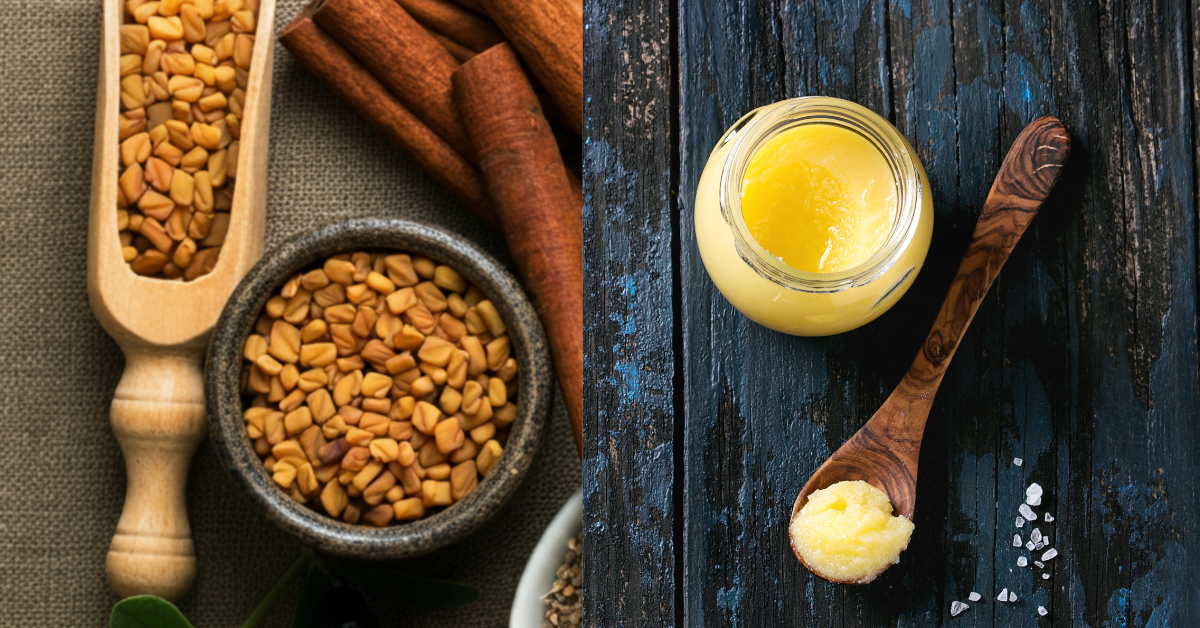
- A teaspoon of ghee with warm milk before bedtime soothes the digestive tract.
- Applying Multani mitti with rose water over the affected skin area is advantageous.
- Drinking coriander and fennel tea twice daily helps reduce inflammation.
- Regular oil massage with coconut or sunflower oil calms the skin and nervous system, making these accessible practices particularly beneficial during summer months or periods of heightened stress.
These remedies for Pitta should be followed after consulting your physician
Other home remedies include
- Apply cool (not cold) compresses to the forehead or back of the neck
- Take slow, deep breaths through the nose
- Soak 5 to 10 mint leaves or crushed fenugreek powder (2-3g) in one glass of water for half an hour and drink it after filtering it.
- Apply coconut oil or aloe vera gel on the skin.
- Gentle walk through nature, preferably near water.
- Apply sandal paste or ghee on the affected skin for soothing relief.
- Keep cool by avoiding saunas, steam baths, overheating from exercise, and too much direct sun.
- Wear cotton or silk clothing in cooling colors like white, gray, blue, purple, and green, and avoid red, orange, dark yellow, and black.
- Rub melon on the skin at bedtime and leave it until dry to prevent skin eruptions.
- Practice the Lion Pose and the Moon Salutation.
- For hives, rash, urticaria, dermatitis, or eczema, apply neem oil.
- Apply a paste of red sandalwood and turmeric powder locally to reduce boils.
- Smell sandalwood oil or incense. Use ghee nose drops (3 to 5 drops in each nostril) after warming slightly to reduce giddiness.
- As a preventive measure, first thing in the morning, take 1 ripe banana chopped into pieces with 1 teaspoon warm ghee, 1 teaspoon date sugar, and a pinch of cardamom to prevent migraine headache.
How to Reduce Pitta Immediately
In order to bring quick relief to aggravated Pitta, perform slow, deep inhalation through the left nostril while blocking the right, hold, and then exhale through the right nostril for a period of 5-10 minutes, activating the cooling energy (Chandra Nadi Shodhana Pranayama). If possible, it’s best to have a cold compress on the forehead and eyes and lie down in a clean, cool, and dimly-lit room.
To cool yourself down, drink a glass of water at room temperature mixed with one teaspoon of natural sugar and a few drops of rosewater; this will help cool internal heat.
Eat a small bowl of sweet and juicy fruits like grapes or pomegranates, which help balance the digestive fire. Putting coconut oil on the crown of the head, temples, and soles of the feet will immediately temper the hot energy of Pitta.
Conclusion
As the summer rises, so does the Pitta Dosha within us, and recognizing the signs of aggravated Pitta such as irritability, heat intolerance, skin breakouts, and acidity is necessary for balancing it. Ayurveda has time-tested and holistic means to cool Pitta through dietary means, lifestyle tips, and some simple yet powerful home remedies for Pitta.
Drinking coriander-fennel tea, practicing calming breathing, or applying coconut oil on heat-affected areas would thus offer you instant relief and maintain your wellness. All these practices would also ensure long-lasting benefits, especially if someone wishes to look into deeper healing through Pitta Dosha treatments in Ayurveda under the guidance of expert practitioners to address root causes and bring about sustainable change. So, this summer, listen to your body, naturally cool it down, and let Ayurveda keep you calm, clear, and cool—inside and outside.

References