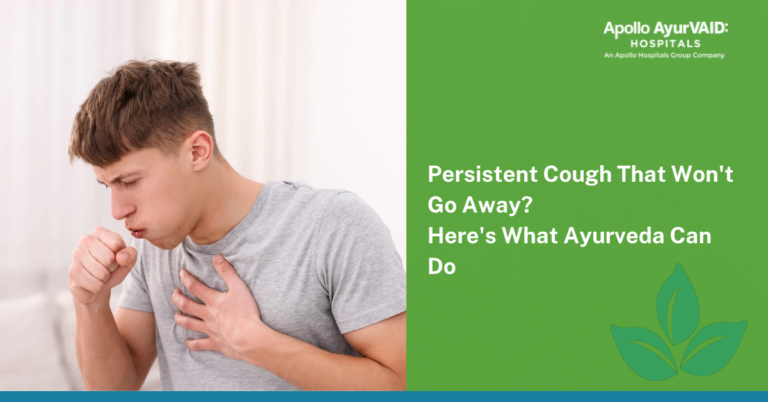
Diwali is a time of celebration, of family and festivities. For many people, though, the days after the festival are a different proposition, with a persistent cough, throat irritation, chest heaviness, or difficulty breathing likely to linger long after the crackers stop.
Firecracker smoke contains a lot of fine particulate matter along with gases and other pollutants. The particles can get right down into your lungs and irritate your airways. This can be particularly problematic for people with asthma, chronic bronchitis,allergies and other respiratory conditions. Children and older people are also more susceptible to poor air quality. It’s perfectly reasonable to want to do something to help the lungs get back on track. That’s where an Ayurveda approach to post-Diwali respiratory care can help, with the right medicines, dietary modifications, and therapies.
However, Ayurveda detox after Diwali pollution is not about somehow getting the lungs to cleanse themselves in one go. It’s about looking at the individual’s symptoms, supporting the respiratory system, and considering the various factors that may be contributing to the ongoing problem.

What does Diwali smoke do to your lungs?
Firecracker smoke contains a mixture of fine particulate matter and chemical pollutants that can irritate the respiratory tract. Among these pollutants, PM2.5 is particularly concerning because its particles are 2.5 microns or smaller in diameter. Their tiny size allows them to travel deep into the lungs, reaching the alveoli, the small air sacs where oxygen passes into the bloodstream. High levels of particulate pollution can lead to inflammation and oxidative stress in the respiratory tract. Some people react immediately; others have symptoms that last for several days. Common Diwali smoke health effects include:
- Persistent coughing or a sore throat.
- Sneezing, a blocked nose and a runny nose.
- Increased mucus production and chest congestion.
- Wheezing or a sensation of tightness in the chest.
- Breathlessness (especially on exertion).
- Aggravation of asthma, bronchitis and other existing respiratory conditions.
Not everyone exposed to the same levels of contaminant will show the same symptoms. One person with healthy lungs may recover fully with no real problems, whereas another individual with a pre-existing respiratory condition may require medical intervention.

How does Ayurveda understand the effect of pollution on respiratory health?
In Ayurveda, the respiratory system is understood through the Pranavaha Srotas, the channels associated with the movement of Prana, or vital breath. Healthy channels will allow for comfortable breathing and normal respiratory function. Smoke, dust, excessive cold and the like can all interfere with their function.
Ayurveda also looks at the role of the three doshas in respiratory health. Vata governs movement and may be involved when irritation presents as a dry cough, a sore throat, or an abnormal breathing pattern.Kapha governs mucus and fluid balance and, when aggravated, may cause heaviness, excess phlegm, and congestion.Pitta is the dosha of heat and, when aggravated, can bring burning sensations and irritation.
Post-Diwali detox means identifying what affects breathing comfort and choosing the right interventions. The doctor will review the individual’s symptoms, digestion, constitution, medical history, and overall health before making a recommendation.
5 Ayurvedic Measures That May Aid Respiratory Recovery After Diwali
Recovering from pollution exposure is more than taking a few herbal remedies. You need to reduce further exposure, stay well hydrated, support normal respiratory function, and, of course, seek medical attention if your symptoms persist. The following may be part of an individualised Ayurveda treatment plan.
1. Nasya: Supporting Nasal Health
The nose is the first point of entry for inhaled air and helps trap larger airborne particles before they travel further into the respiratory tract. Exposure to firecracker smoke can irritate the nasal lining, causing congestion, sneezing, excessive mucus production and discomfort.
In Ayurveda, Nasya is a traditional procedure in which prescribed medicated oils or other preparations are administered through the nasal passages. It may be recommended in selected individuals as part of a treatment plan for nasal and upper respiratory complaints.
However, Nasya does not remove fine particulate matter that has already reached the lungs. Its use after pollution exposure should be based on an individual assessment by a qualified Ayurveda physician.
2. Tulsi: Traditional Support for Respiratory Wellness
Tulsi (Ocimum sanctum), or holy basil, has a long history of use in Ayurveda, particularly in formulations designed to support respiratory health. Its leaves contain naturally occurring compounds that have been studied for their antioxidant and anti-inflammatory properties. That’s why it’s of interest in respiratory health research.
In Ayurveda, Tulsi is used in formulations for cough and for throat discomfort. It could form part of a wider recovery plan depending on the individual’s health and medication history. Remember that Tulsi is not an antidote to firecracker smoke. Taking Tulsi won’t neutralise inhaled pollutants and won’t guarantee protection against respiratory complications.
3. Guduchi: Sustaining Overall Health
Guduchi (Tinospora cordifolia), or Giloy, is used in Ayurveda for its broader health-promoting properties. Researchers have looked at its antioxidant and immunomodulatory effects. There’s clearly been interest in its role in supporting the body’s response to physiological stress. However, no evidence shows that Guduchi can detox the lungs or reverse the effects of air pollution in humans. Don’t go around prescribing it as a routine post-Diwali detox.
Guduchi can also have side effects (liver damage in some cases). Anyone thinking of taking it should certainly discuss it with an Ayurveda doctor first, particularly if they’ve got an existing liver condition or are on regular medication.
4. Pippali: An Ayurvedic Approach to Respiratory Support
Pippali (Piper longum), i.e., long pepper, is a key ingredient in many traditional Ayurveda preparations. It’s traditionally linked with balancing Kapha and Vata and has been used to treat cough and respiratory complaints. Its bioactive constituents (particularly piperine) have also been studied for their biological activities. In an Ayurveda treatment plan, a physician would consider Pippali when symptoms and constitution indicate it is appropriate.
It’s not for everyone, and concentrated preparations can interact with certain drugs. Avoid self-medication (particularly with many herbal preparations).
5. Panchakarma: When a More Structured Approach Is Needed
Depending on the individual’s condition, certain Panchakarma procedures may be part of a wider respiratory care plan. The individual’s dosha assessment, digestive health, strength, age, and any existing medical conditions determine this.
Panchakarma is not a standard treatment for removing particulate matter from the lungs. Nor does everyone exposed to heavy pollution require detoxification procedures. A person experiencing significant breathlessness, persistent cough or an exacerbation of asthma needs appropriate medical assessment first. Consider Panchakarma only when the treating physician determines it is suitable and safe.
Everyday Measures to Help Your Lungs Recover After Diwali
An essential part of the Ayurveda approach to air-pollution detox is reducing the burden of ongoing exposure. No amount of carefully chosen treatment can make up for continually breathing polluted air. A few practical changes can help:
- Reduce your time outdoors: avoid any strenuous outdoor activity when the AQI is high. Keep your windows closed during periods of heavy pollution, and if you have one, use a properly maintained indoor air purifier. If going outdoors is unavoidable during periods of high particulate pollution, a well-fitting N95 or equivalent respirator can help reduce the amount of fine particles inhaled.
- Stay adequately hydrated: Drink sufficient water throughout the day. Warm water may feel soothing when the throat is irritated, although it does not remove pollutants from the lungs.
- Choose nourishing meals: Include freshly prepared, balanced meals with vegetables, fruits, adequate protein and whole grains. Ayurveda places particular importance on Ahara (diet) and digestion when supporting overall health.
- Avoid additional respiratory irritants: Stay away from cigarette smoke, incense, mosquito coils and other sources of indoor smoke. Avoid burning waste or using strong fragrances in poorly ventilated spaces.
- Resume physical activity gradually: If breathing feels comfortable and air quality has improved, return to gentle activity as tolerated. Avoid intense exercise outdoors during periods of poor air quality.
- Do not ignore persistent symptoms: A cough that continues, recurring wheezing or breathlessness deserves medical attention. People with asthma or chronic lung disease should continue their prescribed treatment and follow their existing action plan.
What Should You Avoid After Diwali Pollution Exposure?
When respiratory symptoms appear, it is tempting to try several home remedies at once. However, more remedies don’t necessarily mean faster recovery. Avoid taking multiple herbal preparations without medical guidance, particularly if you are already taking prescribed medicines. Steam inhalation, nasal therapies, and breathing exercises should not be treated as ways to remove PM2.5 from the lower respiratory tract. Forceful breathing practices may also be uncomfortable when respiratory symptoms are active. Most importantly, do not stop prescribed inhalers, oxygen therapy or other respiratory medicines in favour of a detox routine. People with asthma or COPD should continue following their physician’s advice and existing action plans.
If the symptoms are continuing or getting worse, they shouldn’t simply be dismissed as a case of temporary smoke exposure. A physician may recommend a clinical examination, oxygen saturation measurement, lung function assessment or imaging, depending on the symptoms and medical history. A personalised lung cleanse after crackers should never involve stopping prescribed inhalers, oxygen therapy or other essential medication. Ayurveda, when appropriate, can be considered alongside necessary medical treatment rather than as a replacement.
Swasth Raho: Pay Attention to Your Respiratory Health After Diwali
Recognising the importance of early attention to health concerns, Apollo AyurVAID Hospitals launched Swasth Raho, a preventive healthcare and public awareness initiative. It focuses on educating individuals and families about the early warning signs of chronic and seasonal illnesses, while also promoting personalised, root-cause-based Precision Ayurveda. Through Swasth Raho, individuals are encouraged to recognise respiratory symptoms early and seek appropriate medical guidance rather than waiting for them to worsen.
At Apollo AyurVAID Hospitals, Nehru Enclave, Kalkaji, New Delhi, physicians assess respiratory concerns through a detailed evaluation of symptoms, medical history and individual health requirements. Based on the findings, a personalised care plan may include appropriate Ayurveda formulations, therapies, dietary recommendations and lifestyle guidance, supported by modern diagnostic investigations wherever necessary. Same-day consultations are available from Monday to Saturday. If you or a family member continues to experience coughing, chest congestion or breathing difficulties after Diwali, consider seeking a medical assessment. Identifying the underlying cause is an important step towards receiving appropriate care.
Swasth Raho. Recognise the signs early. Make informed choices about your health.
Medical disclaimer: This article is intended for general health awareness and does not replace professional medical advice, diagnosis or treatment. Use Ayurvedic medicines and procedures only under qualified medical supervision. Seek emergency care for severe breathing difficulty or other emergency symptoms.
References