Web Stories
Step Into the Story: Explore Now
Introduction
The symptoms of bronchitis can be heavy to live with from the moment you wake up to the time you lay your head down at night. Burdened with relentless coughing, labored breathing, and almost overbearing weariness, many bronchitis patients are left with no answers that seem to provide any relief. However, incorporating bronchitis home remedies can help ease some of these symptoms and provide natural relief to complement conventional treatments.
What if every breath wasn’t a struggle, what if the act of breathing in and out wasn’t a Herculean task? This Ayurveda-inspired guide will help you to know and use the knowledge and tools, including bronchitis ayurvedic treatment, to help you navigate your way to better health one breath at a time.
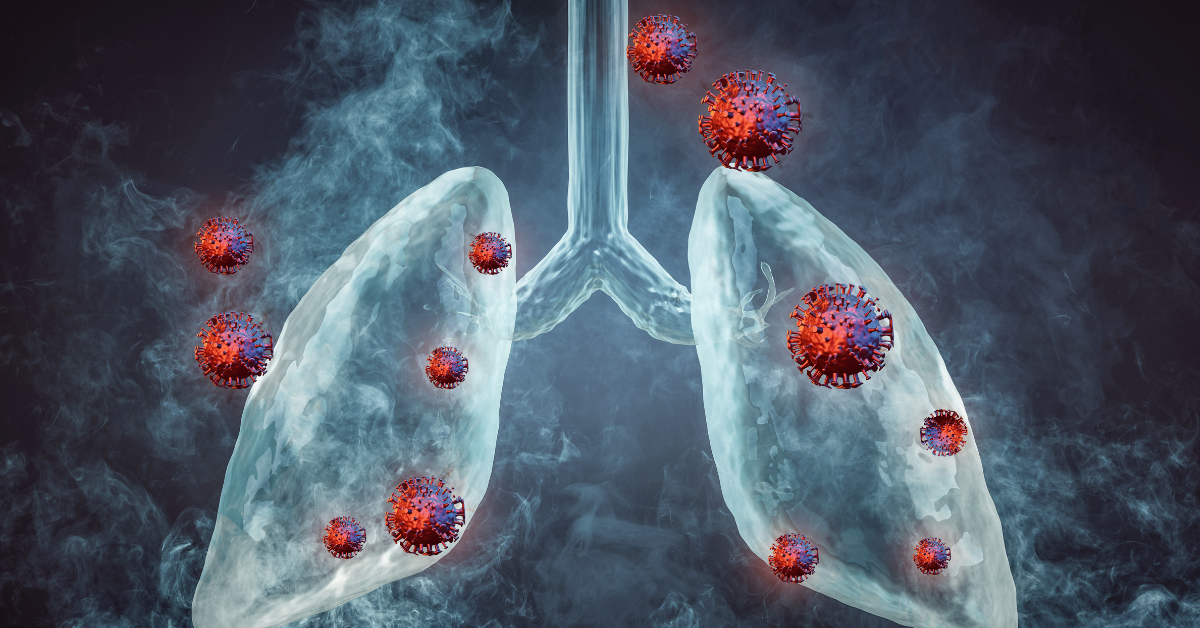
Bronchitis is a type of respiratory illness in which the airways leading to the lungs become inflamed, or swollen. It is typically caused by a virus. Symptoms can include chronic cough, excessive mucus production, and difficulty breathing, and can be acute or chronic. Natural remedies for bronchitis are gaining popularity as conventional treatments may offer relief, but many people are seeking natural ways to help manage the symptoms of bronchitis and support the body’s natural healing process.
In this blog, we will discuss Ayurveda solutions for bronchitis, addressing root cause solutions and breaking the cycle of dependency on bronchodilators and antibiotics. Ayurveda provides relief and reduces frequency of recurrence to allow control of respiratory health.
Understanding Bronchitis in Ayurveda
Bronchitis is often associated with an imbalance of the Kapha dosha and Vata dosha. An excess of Kapha can give rise to excessive mucus, resulting in coughing, chest congestion and difficulty breathing, obstructing the normal passage of Prana Vata. Ayurveda practitioners consider the role of Pitta dosha in exacerbating bronchitis causing inflammation and irritation of the respiratory system.
Ayurveda treatment for bronchitis has a holistic approach. The natural remedies, prevention through lifestyle modifications, and personalized treatment addresses the root causes of bronchitis, promotes overall health, and uses herbal formulations with fewer side effects compared to steroids. Ayurveda practitioners also tailor treatments to individual patients optimizing treatment outcomes
Natural Remedies for Bronchitis
1. Home Remedies:
- Turmeric (Curcuma longa): Turmeric is a powerful anti-inflammatory and antioxidant herb that can help reduce inflammation in the respiratory system.
- Ginger (Zingiber officinale): Ginger is known to have expectorant properties (helps to thin and expel the mucus) and also can be soothing on the throat.
- Parnayavani (Plectranthus amboinicus) : It is an aromatic plant with anti-inflammatory and expectorant properties, which makes it good for bronchitis.
- Tulsi (Ocimum sanctum): Holy basil (Tulsi) has antimicrobial and expectorant properties and will aid in reducing symptoms of bronchitis.
2. Dietary Adjustments:
- Warm, cooked foods: Warm and easy to digest meals can reduce the symptoms and help the body’s natural healing process.
- Spices: Black pepper, cinnamon, clove, cardamom, ginger can be used for tempering or incorporated into tea, which help improve respiratory function.
- Honey: Antimicrobial and cough suppressing properties of honey make it a valuable addition to natural remedies for bronchitis.
3. Home Therapies:
- Steam inhalation: Steam can be inhaled, plain or with herbs such as eucalyptus or peppermint, to help thin and loosen mucus.
- Medicated oily or liquid can be used for nasal administration in order to clear the nasal passage and promote respiratory function.
- Warm oil massage infused with camphor over the chest region helps reduce Vata and make you more relaxed.
4. Lifestyle Modifications:
- Rest and relaxation: If the body is not getting adequate rest, the body’s natural healing processes can be improved.
- Hydration: Warm fluids, such as herbal teas made with ginger and pepper, can help keep the respiratory tract clear.
- Avoid irritants: Avoid environmental pollutants (which can include cigarette smoke, asthma exacerbates, dust and other respiratory irritants that can make bronchitis worse.
Dosages for Ayurvedic Remedies for Bronchitis
- Tulsi Decoction
- Dosage: 1 cup (approx. 250 ml)
- Frequency: Twice a day
- Mulethi (Licorice) Powder
- Dosage: ½ teaspoon (approx. 2 grams)
- Frequency: Twice a day (after meals)
- Vasaka (Adhatoda vasica) Juice
- Dosage: 10 ml
- Frequency: Twice daily with warm water
- Sitopaladi Churna
- Dosage: ½ to 1 teaspoon (2–3 grams)
- Frequency: 2–3 times daily with honey or warm water
- Trikatu Churna
- Dosage: ¼ teaspoon (approx. 1 gram)
- Frequency: Twice daily before meals
- Turmeric Milk (Haldi Doodh)
- Dosage: 1 cup (200–250 ml)
- Frequency: Once at bedtime
- Ginger-Honey Mix
- Dosage: 1 teaspoon (½ tsp ginger juice + 1 tsp honey)
- Frequency: 2–3 times daily

When to See a Doctor
Most cases of acute bronchitis improve with rest and supportive care, but medical attention may be needed when symptoms are severe, persistent, or getting worse.
– Persistent cough: See a doctor if the cough lasts for several weeks or does not gradually improve.
– Breathing difficulty: Seek medical care if you experience shortness of breath, wheezing, or difficulty breathing.
– High or persistent fever: A fever that is high, lasts several days, or returns after improving should be evaluated.
– Chest pain: Consult a doctor if you have persistent or significant chest pain, especially with breathing or coughing.
– Blood in mucus: Coughing up blood or blood-stained mucus requires medical evaluation.
– Symptoms getting worse: If your cough, mucus production, weakness, or breathing symptoms suddenly worsen, consult a healthcare professional.
– Higher-risk individuals: Older adults, young children, pregnant women, and people with asthma, COPD, or weakened immunity may need earlier medical assessment.
Prevention Tips for Bronchitis
While bronchitis cannot always be prevented, several measures can reduce the risk of respiratory infections and irritation of the airways.
– Avoid smoking: Do not smoke, and avoid secondhand smoke because tobacco smoke can irritate and damage the airways.
– Limit exposure to pollutants: Reduce exposure to dust, chemical fumes, strong odors, and other airborne irritants whenever possible.
– Wash hands regularly: Good hand hygiene can help reduce the spread of viruses that may cause respiratory infections.
– Avoid close contact with sick people: Try to limit exposure to people with active respiratory infections, particularly during outbreaks.
– Follow recommended vaccinations: Staying up to date with recommended vaccines, including influenza and other relevant respiratory vaccines, can help reduce the risk of infections that may lead to bronchitis.
– Maintain good respiratory hygiene: Cover the mouth and nose when coughing or sneezing and dispose of tissues properly.
– Support overall health: Adequate sleep, a balanced diet, regular physical activity, and good hydration can support general health and immune function.
Conclusion
Bronchitis can be a challenging condition to manage, but Ayurveda principles offer a holistic approach to addressing the underlying imbalances and supporting the body’s natural healing processes. By incorporating natural remedies, dietary adjustments, and Ayurveda therapies, individuals can find relief from the symptoms of bronchitis and promote long-term respiratory health.
Given that bronchitis can be so difficult to control, Ayurveda steps bring a more holistic approach to help deal with underlying imbalances and help the body heal itself. However, through the addition of natural remedies for bronchitis, changes in the diet and lifestyle, individuals can free themselves from the bronchitis symptoms and promote long-term respiratory health.
REFERENCES:
- Gulshan, B et al. (2015). A Comprehensive review on Nyctanthes arbortristis. International Journal of Drug Development and Research, 7. <https://www.semanticscholar.org/paper/
fea0212c7eed2ce48d4a799225af7
c3a0c03a789> - Gupta, S et al. (2002). Validation of traditional claim of Tulsi, Ocimum sanctum Linn. as a medicinal plant. Indian journal of experimental biology, 40(7), 765-73. <https://pubmed.ncbi.nlm.nih.gov/12597545>
- Ambekar, S et al. (2012). An open labeled study to evaluate safety and efficacy of Unicough syrup in children with acute bronchitis. IOSR Journal of Pharmacy and Biological Sciences, 4, 32-35. <https://doi.org/10.9790/3008-0453235>
- Grünwald, J et al. (2006). Thymian und Primelwurzel – ein starkes Doppel gegen akute Bronchitiden. Erfahrungsheilkunde, 56, 538 – 543. <https://doi.org/10.1055/s-2007-985964>
- Sharma, M et al. (2006). Echinacea extracts modulate the pattern of chemokine and cytokine secretion in rhinovirus‐infected and uninfected epithelial cells. Phytotherapy Research, 20. https://doi.org/10.1002/ptr.1824
- Maintaining proper hydration and avoiding respiratory irritants can also help bronchitis resolve more quickly.
- Adopt dietary changes, such as consuming warm, cooked meals and incorporating spices like black pepper and cinnamon.
- Engage in Ayurvedic therapies like steam inhalation and nasya to support respiratory function.
- Warm water with lemon and honey is also an effective and hydrating option.
- Other helpful herbs include tulsi (holy basil) and eucalyptus, which can help thin and clear mucus.
- Avoiding cold and dusty environments
- Staying hydrated with warm fluids
- Practicing steam inhalation regularly
- Eating light, warm, and dosha-balancing foods
- Following proper rest and sleep routines
- Avoiding dairy and heavy foods that increase mucus