Introduction
When a lump develops, it is always concerning. But all lumps are not harmful. A lipoma, a soft, doughy lump under your skin, may be benign, but it can still be a cause for concern and discomfort. Lipomas are benign (non-cancerous) tumors made of adipose tissue that may need treatment for cosmetic reasons. They are correlated with Medoja Granthi in Ayurveda, with similar symptoms. While modern medicine recommends a watch-and-wait approach or surgical removal of such fatty tissue growths, ayurvedic treatment for lipoma proposes natural remedies and lifestyle modifications for managing this condition. This blog is about the Ayurveda approach in understanding and managing lipomas effectively with minimal invasive techniques.
Ayurvedic Understanding of Lipoma (Medoja Granthi)
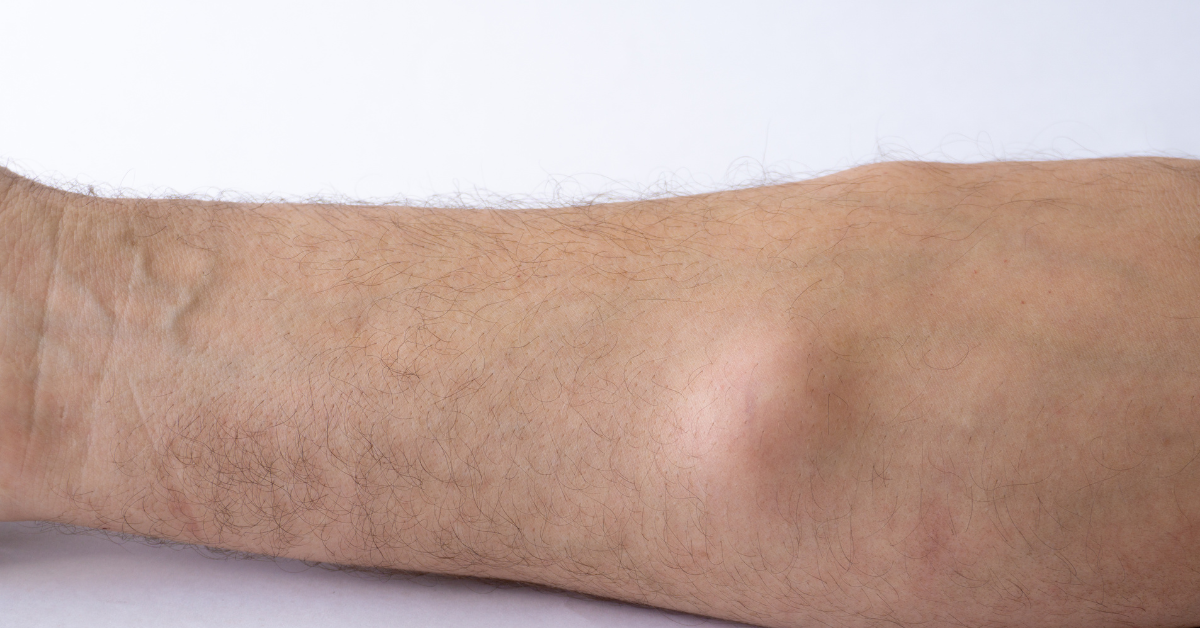
In Ayurveda, lipomas are referred to as Medoja Granthi, which are benign, non-cancerous fatty tumors formed due to an abnormal accumulation of Meda dhatu (fat tissue). This condition arises mainly from an imbalance in the Kapha dosha, which governs fat, fluids, and lubrication in the body. When Kapha becomes aggravated, it leads to excessive production and improper metabolism of fat tissue. The Vata dosha, responsible for movement and circulation, contributes to the mobility of these fatty lumps, making them soft, movable, and painless to touch.
Characteristics:
– Soft, doughy, and movable masses under the skin that usually grow slowly over time.
– Typically painless and non-tender unless pressing on a nearby nerve.
– Often found on the neck, shoulders, arms, back, or thighs.
– Usually subcutaneous (just beneath the skin) but may vary in size and number.
– Rarely cause discomfort but may lead to cosmetic concerns or mild pain if they enlarge.
According to Ayurvedic texts, Medoja Granthi is grouped under Granthi Roga — a category of diseases characterized by nodular swellings that may occur in both superficial and deeper tissues. These swellings are formed when the Tridoshas (Vata, Pitta, and Kapha) become imbalanced and cause obstruction in the body’s channels (srotas), particularly the medovaha srotas (fat-carrying channels).
Ayurveda attributes the formation of Medoja Granthi to a sedentary lifestyle, overeating fatty or oily foods, lack of physical activity, and poor digestion, all of which promote Kapha accumulation. Over time, this leads to localized deposits of unprocessed fat tissue that solidify into lumps.
Ayurvedic management focuses on balancing Kapha and improving fat metabolism through detoxification therapies (Panchakarma), internal herbal medicines, and dietary correction. Herbs such as Guggulu, Triphala, Turmeric (Haridra), and Kanchnar Guggulu are often recommended to help dissolve excess fat tissue and prevent new growths. Along with herbal care, lifestyle modifications like regular exercise, light and easily digestible meals, and avoiding oily, sweet, or heavy foods are advised to maintain balance and support long-term healing.

Causes of Lipoma
Genetic Predisposition
- Sedentary Lifestyle
- Obesity
- Metabolic Disorders
- Poor Dietary Habits
- Lack of Exercise
- Hormonal Imbalance
As per Ayurveda -
- Poor digestion (Agnimandya)
- Vitiation of Kapha Dosha: Lipomas are thought to be due to an imbalance of Kapha, which is associated with fat and fluid retention in the body
- Influence of Vata Dosha: These tumors are movable and often asymptomatic because they are moved by Vata
- Diet and Lifestyle: Kapha dosha can be further aggravated by overindulgence in fatty foods and an inactive life which may cause development of lipomas
- Blocked channels (Srotorodha)
Lipoma - Symptoms and Signs
– Soft, doughy lumps under the skin
– Usually painless
– Mobile when touched
– Most common on arms, torso, and neck
– Slow-growing
– Generally small (less than 5cm)
They are often asymptomatic but can cause discomfort if located near nerves.
Ayurvedic Treatment and Herbal Usage for Lipoma (Medoja Granthi)
Ayurvedic treatment for Medoja Granthi (Lipoma) focuses on balancing the Kapha and Vata doshas, improving fat metabolism, and detoxifying the body. The goal is to shrink existing fatty deposits and prevent new ones from forming. Treatment involves a combination of internal herbal medicines, external applications, Panchakarma therapies, and dietary corrections.
1. Internal Herbal Medicines
These Ayurvedic formulations help reduce excess fat, clear blockages in the Medovaha Srotas (fat-carrying channels), and improve metabolism.
- Kanchanar Guggulu:
A classical Ayurvedic formulation used to reduce abnormal growths and glandular swellings.
Dosage: 1–2 tablets (250–500 mg) twice daily after meals with warm water.
Caution: Should be taken under medical supervision, especially for those with thyroid or digestive issues. - Triphala Churna:
Acts as a natural detoxifier and mild laxative that supports better digestion and fat metabolism.
Dosage: 1 teaspoon (3–5 g) mixed with warm water at bedtime.
Caution: Avoid during diarrhea or in underweight individuals. - Guggulu (Commiphora mukul):
Helps break down fat tissue and reduces Kapha accumulation in the body.
Dosage: 500 mg to 1 g twice daily with warm water or honey.
Caution: Not suitable for pregnant women or individuals with gastritis unless prescribed. - Turmeric (Haridra):
Known for its anti-inflammatory and metabolic properties.
Dosage: ½ teaspoon turmeric powder in warm milk or water once daily.
Caution: Avoid excess use in individuals with gallstones or bleeding disorders. - Punarnava (Boerhavia diffusa):
A diuretic and detoxifying herb that helps reduce swelling and fluid retention.
Dosage: 1 teaspoon Punarnava powder twice daily with lukewarm water.
Caution: Should be avoided in pregnancy or severe dehydration.
2. External Herbal Applications
Topical use of herbal pastes and oils can help reduce the size and appearance of lipomas over time.
- Kanchanar or Triphala Paste:
Mix the powder with warm water or honey to form a paste and apply gently over the lump once or twice daily.
Caution: Do a patch test first; avoid applying on open wounds or irritated skin. - Medohar Lepa or Guggulu-based Oils:
These medicated pastes and oils are applied externally to improve circulation and reduce fatty deposits.
Frequency: Once daily massage in circular motion for 5–10 minutes.
3. Panchakarma Therapies (Under Supervision)
Detoxification therapies are advised to eliminate toxins and balance doshas:
- Udvartana (Herbal Powder Massage): A dry massage using herbal powders like Triphala and Trikatu to break down fat tissue and improve circulation.
- Virechana (Therapeutic Purgation): Cleanses the liver and intestines to enhance fat metabolism.
- Lekhana Basti (Fat-reducing Enema): Helps remove accumulated Kapha and Meda from deeper tissues.
These procedures must be performed under the guidance of a qualified Ayurvedic physician.
4. Dietary and Lifestyle Guidance
- Eat light, warm, and easily digestible foods.
- Avoid oily, fried, dairy-heavy, or processed foods that aggravate Kapha.
- Include spices like ginger, black pepper, and turmeric to enhance digestion.
- Exercise daily to improve metabolism and prevent fat accumulation.
- Manage stress through yoga and breathing exercises (Pranayama), as stress can aggravate doshic imbalance.
Cautions
- Always consult a certified Ayurvedic practitioner before starting any medication or therapy.
- Herbal dosages may vary depending on age, body type, and overall health.
- Avoid self-medication, especially if you have chronic illnesses, are pregnant, or are on modern medicines.
Persistent or rapidly growing lumps should be evaluated by a doctor to rule out other conditions.
Ayurveda Dietary Recommendations for Prevention of Lipomas
Ayurveda emphasizes a balanced diet to prevent lipomas, focusing on the following principles:
- Avoid Heavy and Greasy Foods: Foods rich in saturated fats and oils that lead to aggravation of Kapha dosha and fat accumulating. Thus, Fried foods, dairy products, and processed snacks are best avoided.
- Incorporate Anti-inflammatory Spices: Turmeric, ginger and cinnamon are recommended for their anti-inflammatory properties and are known to aid fat metabolism thereby preventing the formation of lipoma.
- Focus on Light and Easily Digestible Foods: Fruits, vegetables, whole grains and legumes are encouraged in a diet. They all contribute to maintaining healthy weight and supporting good digestion.
Conclusion
Ayurveda treatment for lipoma focuses on addressing the root cause through a holistic approach, combining internal medicines, external treatments, and lifestyle modifications. The aim is to reduce the size, alleviate the symptoms and avoid recurrence, surgery and further complications.