Constipation isn’t exactly a dinner-table topic, yet almost everyone has gone through it those mornings when the stomach feels heavy, appetite is off, and the whole routine starts on the wrong note. As we step into Constipation Awareness Month, it’s worth pausing and asking a simple question: What does constipation really mean for your body? What’s actually happening inside when your bowel feels sluggish? And more importantly, why does it keep happening?
Modern research points to several common reasons for constipation: slow intestinal transit, microbiome imbalance, dehydration, low-fibre diets, and even emotional stress. Ayurveda agrees with many of these factors, but it also adds a layer of insight most people have never been introduced to: Koshta or your gut’s natural tendency and response pattern. Once you understand your Koshta (whether your gut is naturally regular, sensitive, or slow-moving), constipation starts to make a lot more sense. It’s not “one problem with one solution.” It’s a pattern your gut has been trying to tell you about.
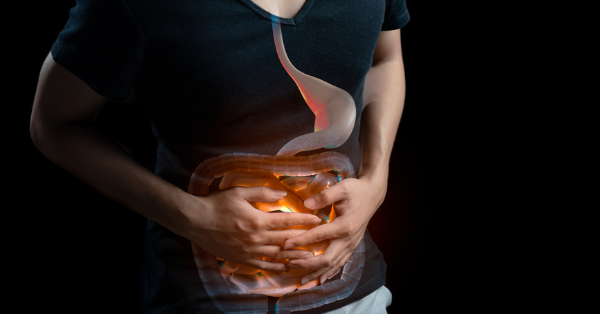
What is Constipation in Ayurveda
While many assume Ayurveda always blames “weak Agni,” classical texts actually link constipation more closely with Vata imbalance and the Koshta type. Your Koshta (gut response type) determines how easily your bowel moves:
1. Mridu Koshta (Pitta-dominant)
- Naturally soft or watery stools
- Bowels move easily, more than once or twice, in a day
- Constipation is rare unless dehydrated or unwell
2. Madhyama Koshta (Sama dosha)
- Balanced bowel habit
- Occasional constipation during travel, stress, erratic meals
- Soft, solid faeces that move smoothly
3. Krura Koshta (Vata-dominant)
This is the group that struggles the most.
- Hard, dry stools
- Irregular bowel habits
- Sensitivity to cold, stress, and long sitting hours
- Bloating, gas, and dryness are common companions
Most chronic constipation cases are linked to Krura Koshta, aggravated Vata, and lack of adequate colon lubrication (Rukshata).
What Modern Research Says (and How Ayurveda Predicted It)
Scientific studies show common causes of constipation, including:
- Slow intestinal motility
- Low-fibre diet
- Dehydration
- Stress affecting the gut–brain axis
- Microbiome imbalance
- Sedentary lifestyle
Ayurveda captured these centuries ago under:
- Vata Vriddhi
If you’ve ever felt like your body is “running dry” – dry skin, dry lips, and yes, dry stools, that’s classic Vata increase. Vata is light, cold, rough, and dry. When it rises, stools become the same way: hard, dry, and difficult to pass.
- Apana Vayu disturbance
When Apana vayu, a specific subtype of Vata which governs bowel movement, is imbalanced due to stress, irregular meals, suppressed urges, or prolonged sitting hours, the natural “downward flow” is impaired, leading to sluggish bowels.
- Mandagni
You know those days when you don’t feel hungry, or food just “sits” in your stomach? That’s Mandagni, a weak digestive fire. When Agni slows down, stool formation becomes irregular, sticky, or incomplete, eventually causing constipation.
- Ruksha Ahara
Too much dry, cold, or light food can cause a Vata imbalance. Think of a plate filled with crackers, chips, dry snacks, cold smoothies, or salads without any oil. These foods increase dryness inside the colon, making stool more difficult to move.
- Vyayama Atiyoga
Yes, over-exercising can cause constipation. Intense workouts dry up body fluids and aggravate Vata, especially if you’re not hydrating or eating enough. Your colon feels the impact first.
The parallels are striking.
Why You May Be Constipated (Even If You “Eat Healthy”)
People often say: “But I have fibre, lots of water… why still constipation?”
Here are commonly ignored reasons:
- Eating at irregular times
- Suppressing the urge to pass stools, which disrupts your natural bowel rhythm
- Sedentary lifestyle
- Low-fat diets (yes, healthy fats help the bowels)
- Travel
- Stress (the biggest culprit)
- Eating fast or distracted
- Excess tea/coffee or alcohol
- Late-night meals
Constipation isn’t always about the food you eat. It’s often about how you live.
Symptoms That Indicate Your Gut Needs Attention
- Fewer than 3 bowel movements per week
- Hard, pellet-like stools
- Bloating or heaviness
- Straining
- Acid reflux
- Low appetite
- Brain fog or irritability
- Feeling “not fully done” after passing stool
Your gut speaks in many ways — constipation is only one signal.
Ayurvedic Ways to Relieve Constipation (Gentle & Effective)
Ayurveda doesn’t rush. It restores balance gradually and sustainably.
1. Daily morning warm water
Especially good for Krura Koshta.
2. Ghee for lubrication
1–2 tsp of warm ghee in food or milk supports colon moisture.
3. Fibre that suits your dosha
Not all fibres suit all guts. Warm, cooked fibre (khichdi, dal, stewed fruits) is better for Vata/Krura Koshta.
4. Regular meal timings
Your colon functions best on predictable rhythms.
5. 20–30 minutes of movement
A simple walk can stimulate peristalsis.
6. Abhyanga (oil massage)
Helps calm Vata, reduce dryness, and support natural elimination.
Learn about the Ayurveda approach to constipation relief.

Ayurvedic Medicines Commonly Used for Constipation
Ayurvedic medicine for constipation works by correcting deeper imbalances such as Vata aggravation, dryness in the colon, weak/irregular Agni, and individual Koshta tendencies. They do not force bowel movements; instead, they gently restore balance and natural rhythm.
At Apollo AyurVAID, every classical Ayurvedic medicine, whether it’s a choornam, kashayam, or arishtam, carries India’s first and only “Tested Safe” assurance. Each product goes through rigorous testing for heavy metals, aflatoxins, and microbial load to ensure it is safe for everyday use. For complete transparency, every pack includes a QR code that lets you instantly access the detailed Safety & Quality Report. You can see exactly what has been tested and verified before the product reaches you.This ensures that classical authenticity is paired with modern safety assurance. Let’s now look at some formulations that your doctor might prescribe to ease your gut.
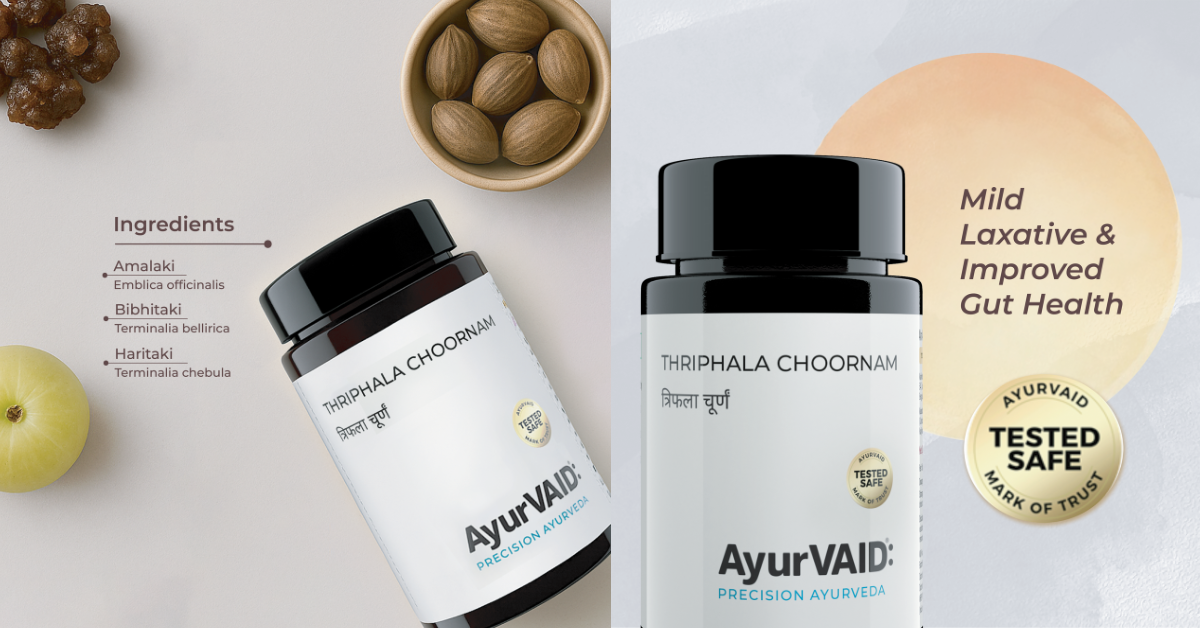
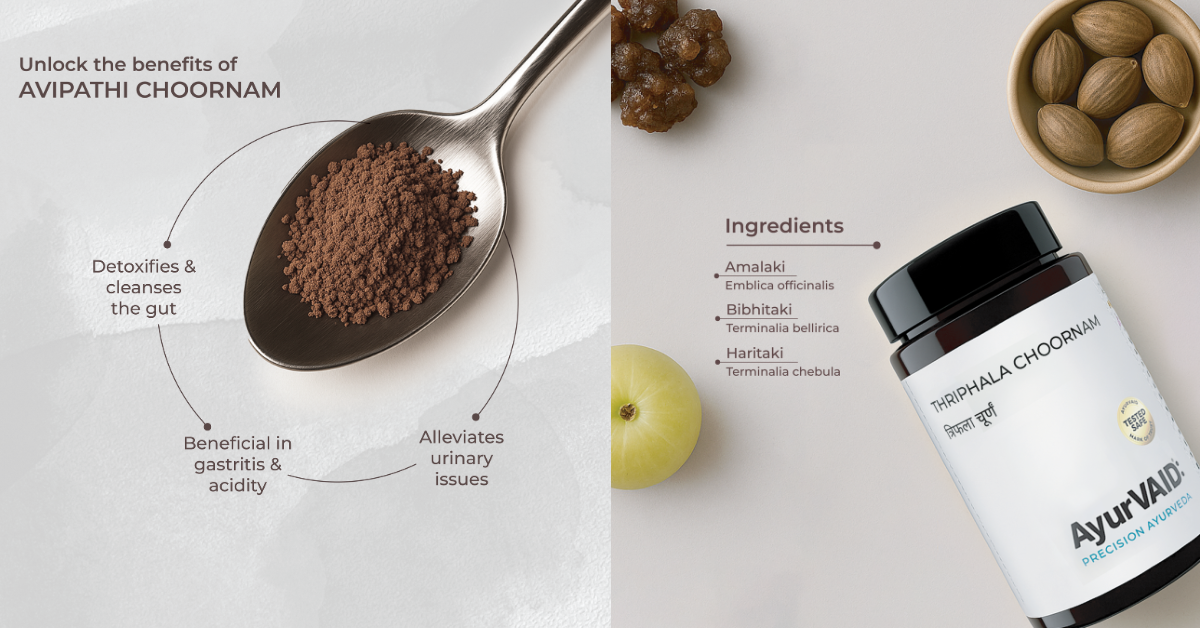
Thriphala brings together three fruits, Haritaki, Amalaki, and Vibhitaki, in a blend that has been loved in Ayurveda for centuries. It helps your bowels move regularly, supports natural cleansing, and keeps the gut feeling light and comfortable. Because Triphala works by reducing dryness and improving gut movement, it can be taken daily without the harshness of chemical laxatives. AyurVAID Thriphala Choornam uses carefully sourced herbs in exact proportions so the formula stays true to its purpose and helps you wake up with a sense of ease and regularity.
What’s inside?
- Haritaki: Supports smooth downward movement in the gut
- Amalaki: Cools and nourishes the digestive lining
- Vibhitaki: Helps reduce heaviness and sluggishness
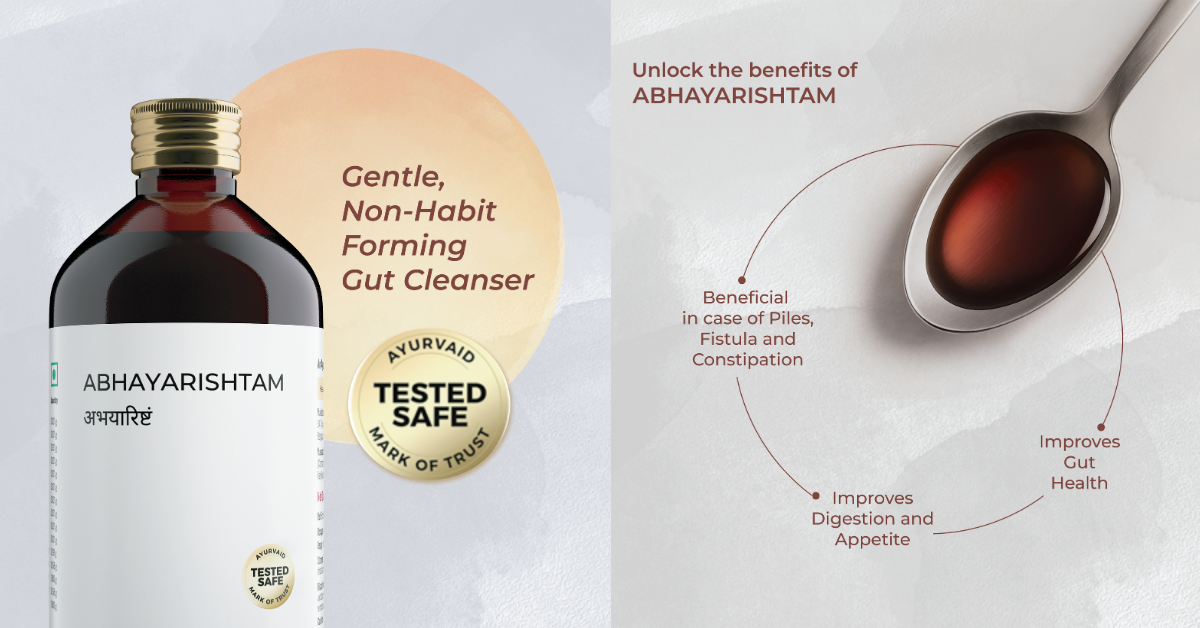
If constipation has been a long-term companion, Abhayarishtam is one of the classical remedies often recommended. With Haritaki as the main ingredient, it supports smoother bowel movements, softens stools naturally, and eases the discomfort that builds up when the gut is slow. This gentle, naturally fermented preparation helps improve digestion over time. You will feel less bloated, less gassy, and more “in sync” with your natural rhythm after taking it consistently under the guidance of an Ayurveda physician.
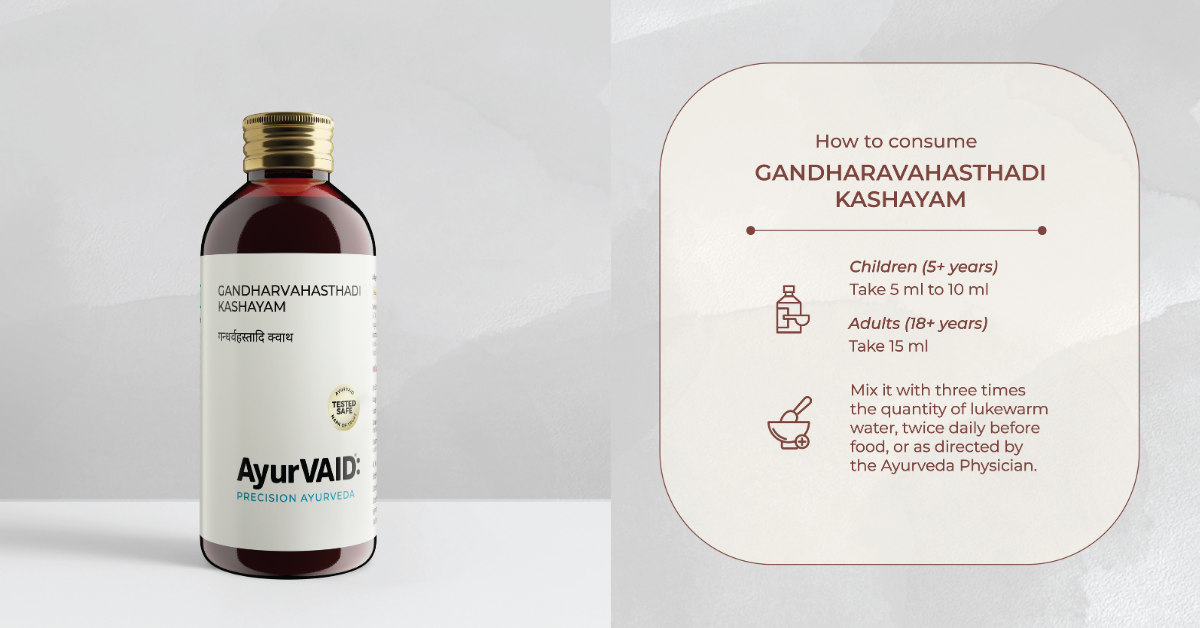
Some people don’t just feel constipated; they feel bloated, tight in their lower belly, or weighed down with gas. This is a typical Vata-type presentation, and Gandharvahastadi Kashayam is traditionally used in such cases. With Gandharvahasta (castor root) playing the lead role, the decoction helps release the stiffness in the lower abdomen and encourages smooth, comfortable movement. Since AyurVAID prepares this kashayam in small batches, it stays close to its authentic form and suits people whose digestion easily gets thrown off by stress, irregular meals, or travel.
When Should You Speak to a Doctor?
Ayurveda encourages early correction.
Seek help if:
- Constipation lasts more than 2–3 weeks
- There’s blood in the stool
- Severe pain accompanies bowel movements
- You rely on laxatives often
- You experience sudden weight loss
Chronic constipation is not “normal ageing.” It is treatable.
Final Thoughts: Your Gut Wants Rhythm, Not Perfection
Constipation is rarely just about food. It’s about routine, stress, hydration, and your unique Koshta. Ayurveda’s wisdom and modern research beautifully align here: A well-functioning gut needs regularity, warmth, and care. Small daily habits, gentle herbs, and the right Ayurvedic formulations can help you reclaim consistency — not forcefully, but naturally. Constipation Awareness Month is a reminder that you don’t have to live with discomfort. Your gut is talking. This month, maybe it’s time to listen.
References