WhatsApp us
WhatsApp us
‹

Ayurveda Treatment for Rheumatoid Arthritis

Overview

In Ayurveda, Rheumatoid Arthritis is recognised as Amavata (Ama=metabolic toxins, Vata=vitiated Dosha). It is a long-term autoimmune disease that causes the immune system to mistakenly attack healthy cells in the body, leading to inflammation or painful swelling in the affected joints. It produces symmetrical joint pain (Sandhiruk), persistent morning stiffness (Stabdhata) and puffiness or swelling around the joints.

Rheumatoid Arthritis in Ayurveda is attributed to Mandagni (weak digestive fire) which generates Ama carried by vitiated Vata to the seats of Kapha, such as the synovial joints. Improper food choices (Viruddhara), lack of physical exercise, genetic or environmental triggers perturb the metabolic fire to produce toxic residue that settles in the joint spaces. Amavata can occur in any joint, but it normally occurs symmetrically, involving the small joints of the hands and wrists, as well as larger joints such as the knees.

Apollo AyurVAID adopts an integrated, individual and protocol-driven approach (Precision Ayurveda) that addresses the metabolic root causes of Amavata rather than just suppressing terminal inflammatory symptoms. A complete health assessment by a multidisciplinary team of expert Ayurveda physicians is carried out to develop a personalised protocol consisting of classical Ayurveda medications, biopurificatory Panchakarma therapies (such as Virechana and Vasti), targeted functional rehabilitation and individualised diet and lifestyle modifications. Amavata (in Ayurveda) the treatment is to prevent the progress of the disease (Samprapti Vighatana), try to regain the lost functionalities, and reduce the systemic inflammation that accelerates the healing process. This integrative and multi-disciplinary approach can often avoid invasive surgical interventions and a lifetime of dependence on heavy medications.

Ayurveda scope

Key benefits

Who Can Benefit and Who May Not: Ayurveda Treatment Scope in Rheumatoid Arthritis

Who Benefits from AyurVAID’s Treatment?

  • Early-Stage Patients (Naveena Avastha): Ayurvedic protocols are very effective in patients who are in the early stages of RA. It can stop disease progression and even cure the disease before structural damage occurs.
  • Patients Who Want Long-term Remission: Those who want a long-term way to control flare-ups and maintain quality of life without ongoing systemic inflammation.
  • Those Wanting to Reduce Use of Medications: Patients who are eager to reduce their dependence on steroids, NSAIDs and immunosuppressants for life, with all side effects such as gastrointestinal or hepatic suppression.
  • Patients with Comorbidities: Patients with RA and other conditions such as diabetes, hypertension or obesity benefit the most from an overall health assessment that treats all health parameters at the same time.
  • Candidates for Joint Surgery: Precision Ayurveda can help to restore the joint mobility and reduce inflammation, often avoiding or delaying the need for invasive surgical interventions.

Who May Not Benefit from Ayurveda Treatment?

Ayurveda helps most of the patients but may be limited to symptomatic management in the following cases.

  • Advanced Structural Deformity: In cases where there are severe erosions of the joints or irreversible deformities (Asadhya) Ayurveda will not be able to restore the original structure of the bone but will surely improve the mobility functionally and relieve the pain.
  • Patients Who Are Very Frail or Severely Debilitated: Patients too weak to undergo intensive Panchakarma (bio-purification) procedures may have limited treatment options.
  • Complete Ligament Tears: Total structural failure of the joint ligaments usually requires surgical correction.

Optimising Rheumatoid Arthritis Management: Ayurveda Meets Modern Medicine

Management at Apollo AyurVAID is optimised by combining the diagnostic precision of modern medicine and the root-cause focus of Ayurveda. While conventional medicine seeks to control symptoms using anti-inflammatory drugs and DMARDs, Ayurveda goes to the metabolic root, Agnimandya (weak digestive fire) to stop the production of toxins. The integrated approach uses blood tests (RA Factor, CRP, ESR) and imaging (X-rays) to monitor outcomes and Panchakarma to minimise side effects of modern pharmaceuticals.

Freedom from Steroids, DMARDs, and Chronic Flare-Ups with Precision Ayurveda Medical Care

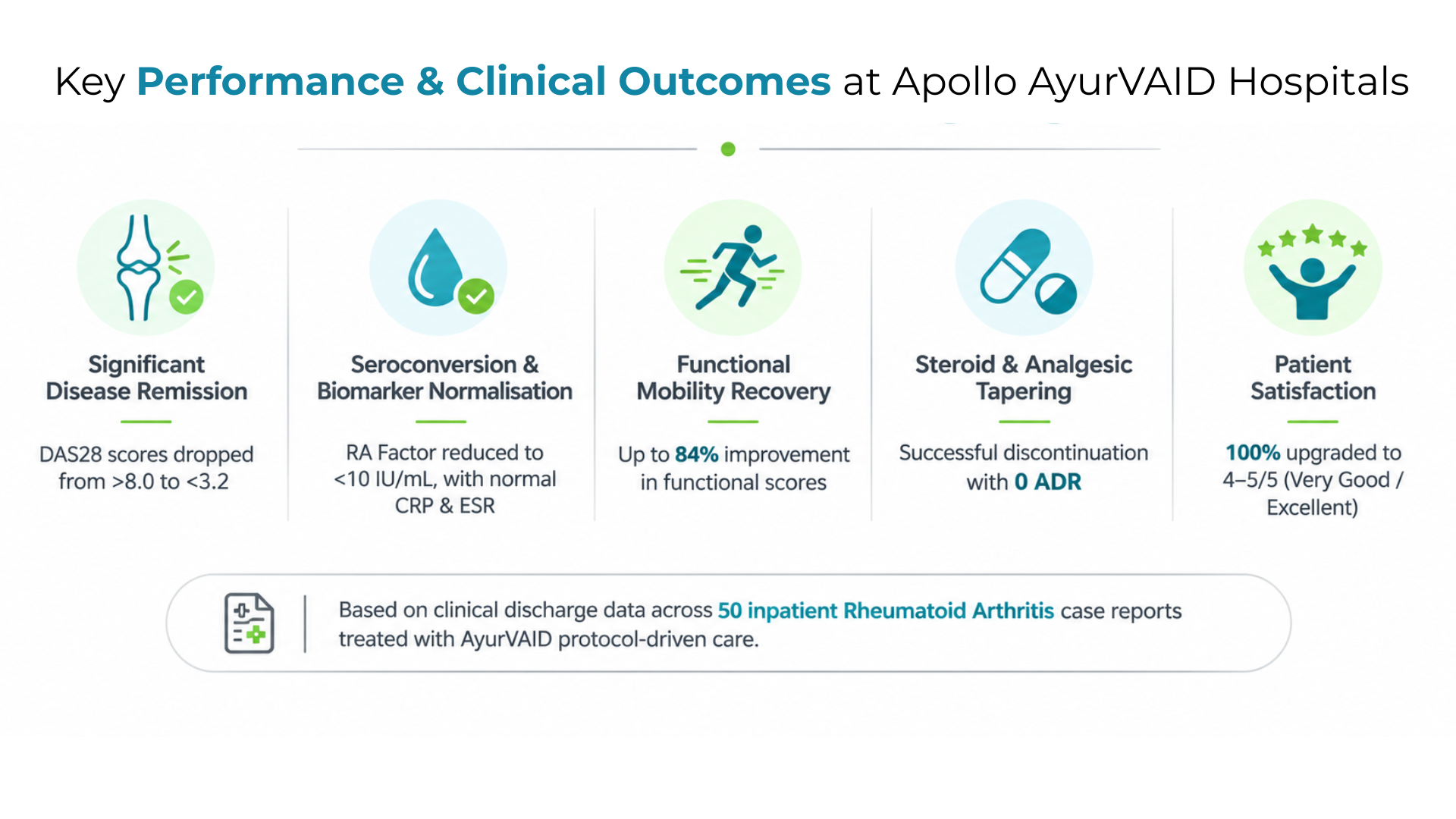
Shift from severe disease activity (DAS28 >8.0) to remission or mild status without adverse drug events.
*Based on clinical discharge data across 50 inpatient Rheumatoid Arthritis case reports treated with AyurVAID protocol-driven care.

What Rheumatoid arthritis Patients Can Expect from AyurVAID’s Approach?

Modern medicine considers Rheumatoid Arthritis (RA) to be a chronic, systemic, autoimmune, non-suppurative inflammatory disorder in which the immune system inappropriately attacks the synovium (joint lining). Symmetrical joint pain and swelling with persistent morning stiffness. Eventual destruction of cartilage and bone. RA typically involves the small joints of hands and wrists but may involve larger joints and even other organ systems such as the lung, heart and eyes. Risk factors: Complex interaction of genetic susceptibility (eg HLA-DR markers), environmental triggers such as smoking and hormonal factors.

Current therapeutic strategies for RA are directed toward symptom relief and strong immunosuppression to halt inflammation. These are:

  • Pain relief and anti-inflammatory medications, particularly Non-Steroidal Anti-Inflammatory Drugs (NSAIDs) and corticosteroids.
  • Use of Disease Modifying Anti-Rheumatic Drugs (DMARDs) such as methotrexate and hydroxychloroquine (HCQ) to delay disease progression.
  • Biologicals (e.g., rituximab, infliximab) to modulate the immune system in targeted ways in severe cases.
  • Physical therapy and general measures such as rest and splinting to preserve joint function.
  • Late stages with permanent deformity and loss of function necessitating surgery such as joint replacement or reconstruction.

As RA progresses, the limitations of traditional therapy are often revealed, as these drugs are typically required for long-term use and have the potential for significant toxicity, including gastrointestinal discomfort and hepatic, renal or bone marrow suppression. While effective for immediate suppression, cessation is often associated with rapid disease flares.

While conventional medicine provides quick control of inflammation, Rheumatoid Arthritis treatment in Ayurveda is a holistic method that is structurally restorative, attacking the disease at its metabolic root. When patients combine conventional diagnostics with Precision Ayurveda, they can enjoy the following unique benefits, in addition to significant pain and stiffness relief and reduced joint swelling:

  • Delay Disease Progression and Prevent Joint Erosion: Ayurveda intercepts RA at its root – Agnimandya (impaired digestion) and Ama (toxic metabolic waste) – to stop the systemic inflammatory cascade before it leads to permanent bone and cartilage destruction. Panchakarma procedures like Virechana and Vasti help remove the pro-inflammatory compounds and circulating toxins from the system.
  • Enhanced Joint Stability and Functional Strength: Therapies such as Swedana (fomentation) and Rasayana (rejuvenation) aid in tissue repair, enhance blood flow and improve functional parameters like grip strength and walking speed. This emphasis on restoring the body’s own healing systems helps to maintain long-term remission.
  • Reduce Side Effects of Conventional Therapy: Ayurvedic protocols play an important adjuvant role in reducing DMARD doses and alleviating drug-induced toxicities. Ayurveda provides natural herbo-mineral alternatives to modulate the immune response and reduce dependency on heavy steroids and painkillers.
  • Deferring Invasive Surgical Procedures: Ayurveda can effectively control the early to moderate stages (Naveena to Pravrudha Avastha) of the disease, often delaying or obviating the need for joint replacement surgery.
  • Whole-Person Management of Comorbidities and Well-Being: Ayurveda’s whole-system approach addresses digestive health, sleep quality and stress levels at the same time it manages co-existing conditions like hypertension, diabetes or obesity. This leads to higher energy levels and a lasting improvement in the general quality of life.

Causes

Triggering Factors for Rheumatoid Arthritis (Nidanas)

In Ayurveda, Rheumatoid Arthritis (Amavata) develops through complex physiological processes that are essentially triggered by Mandagni (impaired digestive fire), leading to the formation and accumulation of Ama (metabolic toxins). This sticky toxin is circulated by vitiated Vata and Kapha doshas and finally gets settled in the synovial joints (Sandhis) to cause a systemic inflammatory response. The causative factors (Nidanas) for this imbalance are different for each person and are classified as follows:-

  • Dietary Factors (Ahara): Viruddhara (unwholesome or incompatible food combinations), such as milk with fish or melons, is a primary trigger that confounds digestive processing. The metabolic fire can be overpowered by regular intake of Guru (heavy) and Snigdha (excessively unctuous/oily) foods, leading to chronic hypo-functioning of the digestion. Also, irregular food habits and intake of fatty, high-calorie or junk foods, particularly when followed by immediate physical activity, accelerate Ama production.
  • Lifestyle Factors (Vihara): A Sedentary or inactive lifestyle (Nischalata) is an important risk factor as it is responsible for slowing down the systemic circulation and metabolism. Some adverse habits, such as Divaswapna (daytime sleeping), result in Kapha aggravation and further impair metabolism. It is classically said that strenuous physical activity soon after eating rich food definitely drives undigested metabolic waste into the channels of circulation. Additionally, being awake late at night and cold, damp, or windy conditions can worsen Vata and trigger joint symptoms.
  • Psychological Factors (Manasika): In Ayurveda, the mind is closely correlated with the development of chronic inflammatory conditions such as Amavata. Chronic emotional stress, anxiety and other psychological stressors are compounding factors that provoke Vata and disrupt systemic homeostasis. These mental factors can also undermine the digestive fire and lead to progressive build-up of toxins in the system.
  • Physiological and Environmental Factors: Hormonal changes, especially in women after menopause, increase the chances of developing RA. Women are affected more than men at a ratio of 3:1. A genetic predisposition and a family history of autoimmune disease also contribute to susceptibility to RA. Other physiological risk factors include obesity, smoking and chronic systemic infections, all of which result in high levels of systemic inflammation.

Lasting Relief from Morning Stiffness, Joint Swelling, and Deformity Risk with Precision Ayurveda

Morning stiffness duration reduced from >3 hours down to complete absence or <5 minutes.

*PROM (Patient-Reported Outcome Measures): Baseline pain scores (VAS 8–10/10) reduced to 0–2/10 at discharge across 50 inpatient Rheumatoid Arthritis case reports treated with AyurVAID protocol-driven care.

Lasting Relief from Morning Stiffness, Joint Swelling, and Deformity Risk with Precision Ayurveda

Morning stiffness duration reduced from >3 hours down to complete absence or <5 minutes.
*PROM (Patient-Reported Outcome Measures): Baseline pain scores (VAS 8–10/10) reduced to 0–2/10 at discharge across 50 inpatient Rheumatoid Arthritis case reports treated with AyurVAID protocol-driven care.

Symptoms

Symptoms (Rupa) of Rheumatoid Arthritis

Pathogenesis

Rheumatoid Arthritis Samprapti (Pathogenesis)

The pathogenesis (Samprapti) of Rheumatoid Arthritis (Amavata) is a systematic process which is characterised by metabolic disturbances that lead to a systemic autoimmune response localised in the joints. The evolution of Amavata is a sequence of physiological failures, as in the progression of other arthritic conditions:

  • Weak Digestion (Mandagni): Poor eating habits, irregular meals, stress, or a sedentary lifestyle can weaken Jatharagni (digestive fire). When digestion is weak, food is not properly processed, leading to the formation of Ama.
  • Formation & Accumulation of Ama: Ama refers to incompletely processed food and metabolic by-products that accumulate when digestion and metabolism are impaired. In modern terms, it can be understood in relation to metabolic waste, oxidative stress, and inflammatory by-products.
  • Vata Aggravation and Spread: When Vata Dosha becomes aggravated, it can contribute to the movement and spread of Ama through the body’s channels and tissues.
  • Channel Obstruction (Srotorodha): As Ama accumulates, it may interfere with the normal functioning of the body’s Srotas (channels). In modern terms, this condition can be explained as the accumulation of metabolic waste and inflammatory substances that may interfere with normal circulation, nourishment, and clearance. Such accumulation can further aggravate Vata and perpetuate the cycle of imbalance.
  • Sthana Samshraya (Joint Infiltration and Localisation): The Vata-carrying Ama finally settles in the seats of Kapha, which are the synovial joints (Sandhis). Here the toxic Ama settles in the spaces of the joints and causes a severe local inflammatory reaction.
  • Dosha-Dushya Interaction: Ama reaches the joints, intimately mixes with natural lubricant Shleshaka Kapha (synovial fluid), making it morbid and losing its protective cushioning properties. This interaction (Sammurchhana) results in cartilage destruction, erosion of bones and characteristic symptoms of swelling and stiffness.
  • Inflammatory Stages (Sama Avastha): This peak stage of pathogenesis is marked by the body entering Sama Avastha, characterised by localised heat, high inflammatory markers (such as CRP), and severe pain that is often described as resembling a “scorpion’s sting.” Pitta involvement may be present when there is burning and redness around the joints.

Amavata, a systemic metabolic-immunological disorder, usually follows a course of two distinct clinical stages:
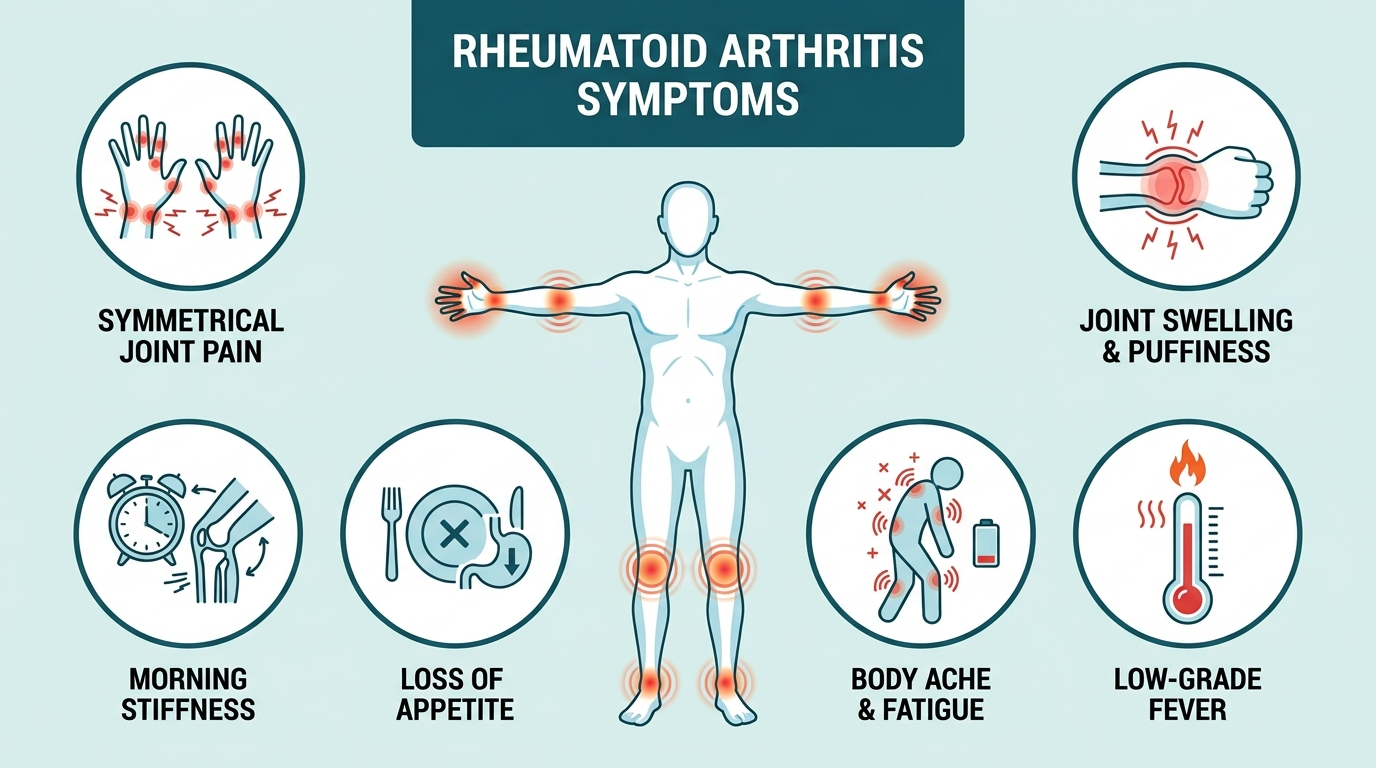
  • Acute Inflammatory Phase (Tivraavasta): This phase is characterised by a high level of circulating Ama and active inflammation. Patients show symmetrical joint swelling and systemic signs like low-grade fever, loss of appetite and severe morning stiffness for hours.
  • Chronic Deformity Phase (Jirnaavasta): In the chronic phase, the persistent presence of Ama and aggravated Vata leads to irreversible structural changes. Consequently, the joint tissues become depleted (Dhatukshaya), resulting in bony deformities, dryness in muscles and tendons and marked functional disability.

AyurVAID’s Approach

Our Clinical Care, Outcomes and Service are highly rated by patients

Patients expressed high satisfaction with their Osteoartritis treatment, highlighting significant improvements in their conditions

Our Clinical Care, Outcomes and Service are highly rated by patients

Patients expressed high satisfaction with their Osteoartritis treatment, highlighting significant improvements in their conditions

AyurVAID’s 4-Step Approach to Personalised Care

1. Whole-Person Health Assessment: Expert physicians perform a comprehensive examination through Ashta Sthana (8-fold) and Dasha Vidha (10-factor) assessments, supplemented by modern blood tests (CRP, ESR) and imaging.
2. Disease Tree: Development of a personalised mapping of the patient’s symptoms to specific causative factors, dosha imbalances, and metabolic disturbances.
3. Personalised Protocol-Based Care Plan: A customised protocol-based regimen of classical medicines, therapies and functional rehabilitation based on the patient’s disease stage (Naveena, Pravrudha or Jeerna).
4. Disease Monitoring and Outcomes Tracking: The effectiveness of treatment is measured using internationally accepted objective scales, mainly the DAS 28 (Disease Activity Score), to reduce high disease activity and achieve clinical remission. We also use the Visual Analogue Scale (VAS) for pain, the WOMAC or KOOS for joint function and accurate Range of Motion (ROM) degree measurements to provide clear evidence-based improvements in a patient’s activities of daily living.

Treatment Plan

AyurVAID Protocols Driven Treatment (Precision Ayurveda)

The Apollo AyurVAID protocol-based (Precision Ayurveda) approach to Rheumatoid Arthritis (Amavata) aims at correcting the metabolic root cause, suppressing systemic inflammation, preventing joint erosion and restoring functional independence. A permanent cure is most achievable in the early stages (Naveena Avastha), but even in chronic cases with structural changes, our structured protocols provide long-term remission and significant quality-of-life improvements.

Ayurveda has a foolproof stage-wise treatment for Amavata which kindles the digestive fire (Agni), removes the metabolic toxins (Ama) and modulates the immune response.

Pain/Inflammation Reduction (Poorvakarma Phase)

Indication: Ama Pachana (digestion of toxins) and Deepana (kindling digestive fire) are the main indications. This preparatory phase diminishes acute symptoms like “scorpion-sting” pain, symmetrical swelling and morning stiffness by lowering systemic inflammatory markers like CRP and ESR.

Period: 7 to 10 days (Inpatient).
Treatment Protocol:
Internal Medicine: Prescriptions to stimulate appetite and cleanse the gut-joint axis of toxins.
External Therapies: Ruksha Swedana (dry fomentation) to liquefy Ama without increasing inflammation. Modalities are Valuka sweda (sand bolus), Dhanyamla Dhara (fermented liquid pour) and Ruksha Churna Pinda Sweda (dry powder massage).

Pathogenesis Reversal: Panchakarma Therapies and Nourishing Phase

The Panchakarma Therapy

  • Objective: To eliminate deep-seated toxins and morbid doshas through deep systemic biopurification (Shodhana), followed by immunomodulation.
  • Duration of stay: ~10-14 days (Inpatient).

For Sthoola (Overweight/Obese) Patients:

  • Comorbidity Management: Therapies are given for fat metabolism (Medovaha Srotas) in patients with RA and obesity (common in Amavata). Therapies like Udwarthanam (dry powder scrubbing) and Varanadi Ghritam support weight management and reduction of joint loading.
  • Detoxification: Starting with Snehapana (internal oleation with medicated ghee) and Virechana (therapeutic purgation) to eliminate the pro-inflammatory mediators from the gut.

For Krisha (Lean) or Chronic Patients:

  • Nourishment: Once the acute inflammatory stage (Amavastha) is over, the emphasis shifts to rebuilding joint lubrication and strength with Abhyangam and Snehana using oils such as Sahacharadi or Kottamchukkadi Tailam.
  • Vasti (Medicated Enema): The gold standard for Vata-dominant RA. Use Vaitarana Vasti or Kshara Vasti to clear channel obstructions and Anuvasana Vasti to restore strength to the joints and bone marrow.
  • Diet: Follow the Pathya diet of warm, light and easily digestible foods like barley, horse gram, red rice and ginger water to prevent further formation of Ama.

Follow Up Phase: Diet & External Treatments

  • Length of Treatment: 3-6 months (Outpatient).
  • Nourishing Therapies: Once the systemic inflammation is controlled, local therapies like Janu Vasti, Kati Vasti and Ksheera Dhara (medicated milk pour) are used to nourish depleted tissues (Dhatukshaya) and increase the range of motion.
  • Rasayana (Rejuvenation): Immunomodulatory medicines like Vardhamana Pippali or Rasayana Lehyams are given to heal the damaged synovial tissues and maintain long term remission.
  • Lifestyle Changes: Specialised Yoga (e.g., cat-cow stretch, Child’s pose), weight maintenance, and stress management techniques to prevent flare-ups and joint deformities.
  • Advanced RA Stage: Attention is toward maintenance and functional rehabilitation to slow the rate of joint destruction and maximise mobility, as complete reversal of bony deformities may not be achievable.

NOTE: Duration of treatment and specific choice of medicine vary greatly depending upon whether the RA is Seropositive/Seronegative, duration of symptoms and the overall digestive strength (Agni) of the patient.

Outcomes Delivered

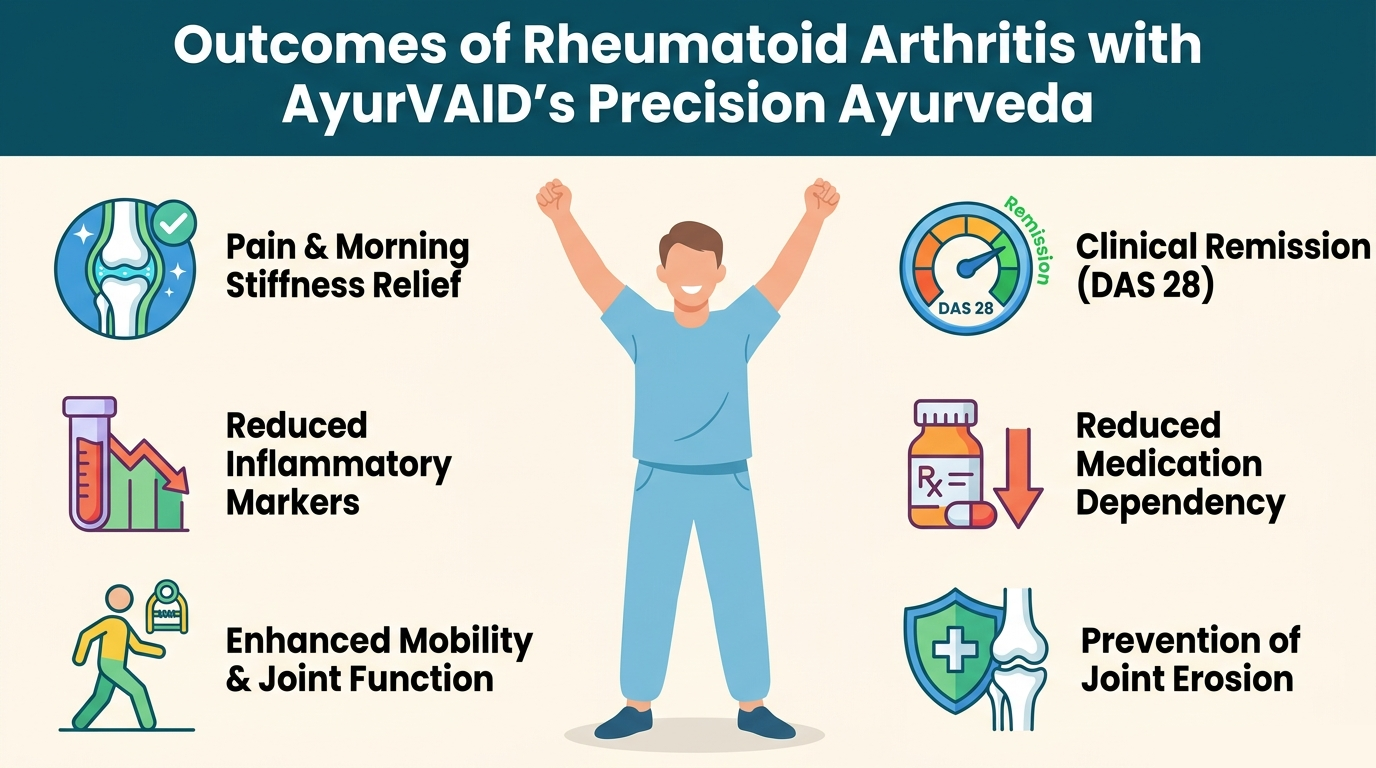
AyurVAID follows a systematic and protocol-based approach to facilitate effective treatment and sustainable recovery from Rheumatoid Arthritis (Amavata).

The following are taken to make sure of effective treatment and progress in baseline values:

  • Disease Standard Scales: In order to evaluate disease activity, Joint tenderness and swelling, international scales such as DAS 28 (Disease Activity Score 28) and ACR (American College of Rheumatology) criteria are used. Functional scales such as SPADI (Shoulder Pain and Disability Index) and NDI (Neck Disability Index) are also used based on the involved joint.
  • Biomarkers and Imaging Techniques: We monitor inflammatory markers like Rheumatoid Factor (RF), Anti-CCP antibodies, C-Reactive Protein (CRP) and ESR (Erythrocyte Sedimentation Rate) alongside imaging techniques including X-rays and MRIs to evaluate biological progress and joint health.
  • Patient-Reported Outcomes: These scales track improvements in activities of daily living, duration of morning stiffness, and levels of pain, while ensuring transparency and eliminating bias.

Key Performance Highlights1

In a double-blind randomised pilot study, patients receiving whole-system Ayurveda care achieved a 100% ACR20 response. The clinical data show a marked reduction in disease activity. Many patients have marked reductions in DAS 28 scores from high activity (eg, 8.09) to low activity or remission (eg, 2.82) with standard treatment protocols. Patients achieve substantial functional gains by discharge from intensive inpatient care, such as an average increase in grip strength of 35% and a 35% reduction in walking time (e.g., for a distance of 25 feet). Precision Ayurveda has been successful in arresting the progress of the disease and preventing erosion of the joints. It has also helped patients escape from invasive surgery.
Scientific Publications

45% improvement as per WOMAC Scales

90% of patients are willing to recommend others for Osteoarthritis Treatment
*By WOMAC The International Standard for Osteoarthritis Assessment

45% improvement as per WOMAC Scales

90% of patients are willing to recommend others for Osteoarthritis Treatment
WOMAC – Western Ontario and MacMaster Universities OA index – Standard Scale used to globally to assess the severity of OA

Case Studies

Scientific Publications

  1.     Randomized Double Blind Trial of an Ayurvedic Plant Derived Formulation for Treatment of Rheumatoid Arthritis; 2000, RCT: This landmark study evaluated a standardised multi-plant formulation (RA-1) against a placebo in patients with active RA. Results demonstrated the formulation was safe and effective, with the treatment group showing significant improvements in joint swelling and a notable reduction in Rheumatoid Factor (RF) titers.
  2.     Clinical metabolomics investigation of rheumatoid arthritis patients receiving ayurvedic whole system intervention; 2024, Research Article: This study utilises NMR-based metabolomics to demonstrate that a 3-month “Ayurveda Whole System” (AWS) intervention—including oral medicines, local therapy, and dietary changes—significantly improves clinical parameters such as DAS-28 and swollen joint counts. The research highlights that the treatment induces a profound metabolic shift toward normalisation, suggesting that AWS can modulate cellular metabolism to facilitate homeostasis.
  3.     Systematic Review of Amavata w.s.r. to Rheumatoid Arthritis; 2025, Systematic Review: This review provides a comprehensive clinical and historical overview of RA through the Ayurvedic concept of Amavata. It outlines traditional diagnostic criteria and emphasises a multi-pronged treatment approach, including Langhana (fasting), Swedana (sudation), and specialised Panchakarma procedures like Virechana and Basti to effectively metabolize toxins and regulate the Vata dosha.
  4.     Meta-Analysis of Amavata and its Most Effective Treatment Protocols in Ayurveda; 2026, Meta-Analysis: Evaluating 28 clinical reports, this meta-analysis assesses the effectiveness of various Ayurvedic interventions in reducing inflammatory markers like ESR and CRP. The findings identify Simhanada Guggulu as the most frequently used internal agent and highlight that protocols combining internal medicine with Vaitarana Basti produce the most consistent objective improvements in pain and mobility, particularly when tailored to the patient’s Prakṛuti (constitution).
  5.     Efficacy and Safety of Ayurvedic Interventions in the Management of Rheumatoid Arthritis: A Systematic Review; 2026, Systematic Review: This systematic review analyses 21 comparative trials focusing on oral Ayurvedic medications (Shamana Chikitsa) for the management of RA. While the reviewed studies consistently reported significant improvements in joint pain, stiffness, and biomarkers such as ESR and RA factor, the authors emphasise the critical need for future research to adopt higher methodological rigour and standardised outcome measures to strengthen the global evidence base.

Hear from one of our patients!

My pain has reduced by 50% after just 10 days of treatment! I am glad I chose Apollo AyurVAID for my treatment.”

Mr. R, Age- 62

Hear from our patients!

Pre and Post AyurVAID’s Protocol-Based Treatment

FAQs

Frequently Asked Questions (FAQs)

Can Rheumatoid Arthritis be cured permanently with Ayurveda?
A permanent cure is possible in the early stages (Naveena Avastha) if there is no joint deformity and the patient can undergo Panchakarma. In advanced cases with significant structural damage, treatment focuses on long-term remission, symptom management, and improving quality of life.
How long does the intensive treatment typically last?
While duration depends on chronicity and disease severity, standard intensive inpatient protocols at Apollo AyurVAID usually range between 2 to 3 weeks. Initial improvements in pain and stiffness are often observed within 15 to 30 days of starting treatment.
What is the root cause of RA according to Ayurveda?
Ayurveda identifies the root cause as Agnimandya (weakened digestive fire), which leads to the formation of Ama (metabolic toxins). These toxins circulate and settle in the joints, triggered further by imbalances in Vata and Kapha doshas.
What are the best herbs for managing RA?
Eranda (Castor/Ricinus communis) is considered one of the premier herbs for breaking the pathogenesis of Amavata by clearing Ama and pacifying Vata. Other effective herbs include Shunthi (Ginger) for digestion and Guduchi for its immunomodulatory properties.
What dietary changes are necessary during treatment?
Patients should include warm, light, and easily digestible foods like red rice, barley, and horse gram. It is essential to avoid curds, fish, jaggery, milk, and heavy/processed foods, as these can aggravate inflammation and toxin production.
What is "Precision Ayurveda" for Rheumatoid Arthritis?
It is a protocol-driven approach that integrates classical Ayurveda assessments (Ashta Sthana and Dasha Vidha) with modern diagnostics, such as blood tests (CRP, ESR, RA Factor) and imaging, to create a highly individualised, evidence-based care plan.
Can Ayurvedic treatment reduce dependency on steroids or DMARDs?
Yes. A key goal of AyurVAID’s approach is to minimise the use of immunosuppressive drugs and steroids while maintaining remission. Ayurveda serves as a safe adjuvant that helps mitigate the side effects of conventional pharmaceuticals.
What role does Panchakarma play in treating RA?
Panchakarma provides deep systemic biopurification (Shodhana) to remove deep-seated toxins. Procedures like Virechana (controlled purgation) and Vasti (medicated enemas) are critical for reducing systemic inflammation and balancing the doshas.
What are the hallmark symptoms of RA (Amavata) in Ayurveda?
The primary signs include Sandhishoola (excruciating joint pain often compared to a scorpion's sting), Sandhishotha (symmetrical swelling), and Stabdhata (persistent morning stiffness lasting over an hour). Systemic signs like loss of appetite, fever, and lethargy are also common.

References

References

Pote AR, Dipankar DG. Ayurvedic Management of Amavata- A Case Report. International Journal of Ayurvedic Medicine. 2022;13(1):181-184.
Kanojia A, Mishra AK, Pedhekar SR. Clinical and Therapeutic Approaches to Amavata: An Integrative Review with Special Reference to Rheumatoid Arthritis. International Journal of Ayurvedic and Herbal Medicine. 2025;15(2):4880-4889.
Shedge MS, Dhurve SA. Conceptual and Ayurvedic Management Interventional Approach in Amavata (Rheumatoid Arthritis). International Journal of Drug Delivery Technology. 2026;16(44s):1065-1075.
Kolhe HD, Neralkar UK. Management of amavata (rheumatoid arthritis) with Virechana karma: A review article. Journal of Pharmacognosy and Phytochemistry. 2024;13(5g):15116.
Krishna Kumar PR. The efficacy of Ayurvedic treatment for rheumatoid arthritis: Cross-sectional experiential profile of a longitudinal study. International Journal of Ayurveda Research. 2011;2:8-13.
Mishra M, Sharma C, Sharma S et.al. Vivid action of simhanada guggulu in the management of amavata (rheumatoid arthritis): a review. International Journal of Health Sciences and Research. 2021;11(6):126-129.
Virmani, M. (2019). Rheumatoid arthritis diagnosis according to Ayurveda texts W.S.R. Amavata. International Journal of Complementary & Alternative Medicine.
Kumar, S., et al. (2020). A REVIEW ON SCIENCE AND PHILOSOPHY OF AMAVATA: LOGICS BEHIND THE SYMPTOMS. International Journal of Research in Ayurveda and Pharmacy, 11, 75–77.
Mishra, R. S., et al. (2023). Management of Amavata with Ayurveda. Journal of Ayurveda and Integrated Medical Sciences.
Pawar, D. S. N., & Shettar, D. R. (2025). A Literature Review on Aamavata. International Journal of Advanced Research in Science, Communication and Technology.
Garg, I., et al. (2023). Effect of Ayurvedic Treatment on Bio-Markers of Rheumatoid Arthritis (RA): A Case Study. International Journal of Advanced Research.
Gulve, K., Kuchewar, V, & Shinde, S, (2022). Management of amavata (Rheumatoid arthritis) using Ayurveda standard treatment protocol: A case report. International Journal of Ayurvedic Medicine, 13(2), 561–565.
Longo VD, Mattson MP. Fasting: molecular mechanisms and clinical applications. Cell Metab. 2014 Feb 4;19(2):181-92.
Kritika, Niranjan Rao, Padmakiran C. (2023). Intervention of Amavata w.s.r. to Rheumatoid Arthritis through Ayurveda: A Single Case Study. J Ayurveda Integr Med Sci;07:229-234.
Zaiss MM, Joyce Wu HJ, Mauro D, Schett G, Ciccia F. (2021). The gut-joint axis in rheumatoid arthritis. Nat Rev Rheumatol. 17(4):224-237.
Guo W, Lv G, Yang D, Zhang W, Li N, Hu J, Wu Y, Pi Z, Lin Z. (2024). Advances in the effect of gut-joint axis dysfunction on rheumatoid arthritis and the intervention of natural products. Chin J Anal Chem;52(1):100354.

Did the information meet your needs?

As we work hard to improve our services, your feedback is important to us. Please take a moment to help us serve you better.

Disclaimer

The information provided in this blog is for general informational purposes only and is not intended as a substitute for professional medical advice, diagnosis, or treatment. Always seek the advice of your physician, Ayurvedic practitioner, or other qualified healthcare provider with any questions you may have regarding a medical condition or treatment.

Stay Connected to Health and Wellness

Subscribe to our hospital newsletter for the latest health tips, updates on services, patient stories, and community events. Sign up today and stay informed!


Homepage B RCB

Please fill out the form below to Request a call back

Patient details

Content Details

We update our articles as new material becomes available, and our specialists keep a close eye on the health and wellness industry.

Medically reviewed by
Dr. Sanila K
Written by
Dr Shobitha Madhur

Share this article on

Medically Reviewed

Last updated on:

Do you have concerns with the content?

Report Problem

Ayurveda Doctors for Rheumatoid Arthritis

Related Blogs

We’d Love to Hear from You!

Feedback form(disease page)

Can we help?

Something wrong with our medical content?
 
Report Problem form

Popular Searches: DiseasesTreatmentsDoctorsHospitalsWhole person careRefer a patientInsurance

Follow Apollo AyurVAID hospitals