It’s easy to ignore a blocked nose, especially if it’s just due to a change in the weather. You might wake up with a heavy forehead, find it difficult to breathe through your nose, and constantly need a tissue. It may go away in a few days, but it can also persist, causing headaches, poor sleep, and a constant feeling of pressure in the face.
Sinusitis is a problem, of course, in winter, with all the respiratory infections, allergies, and irritants that come with it. It can obviously affect a number of people in the house. You could have a child with a runny nose, an adult with headaches and an elderly person with ongoing congestion.
Even if the symptoms are the same, the aetiology can be very different, which is why it’s so important to identify the actual cause of the inflammation to treat it appropriately. Ayurveda takes a holistic approach to sinus issues, looking at the symptoms, the state of your digestion, your lifestyle and your Dosha balance.

What is sinusitis, and why does it keep coming back?
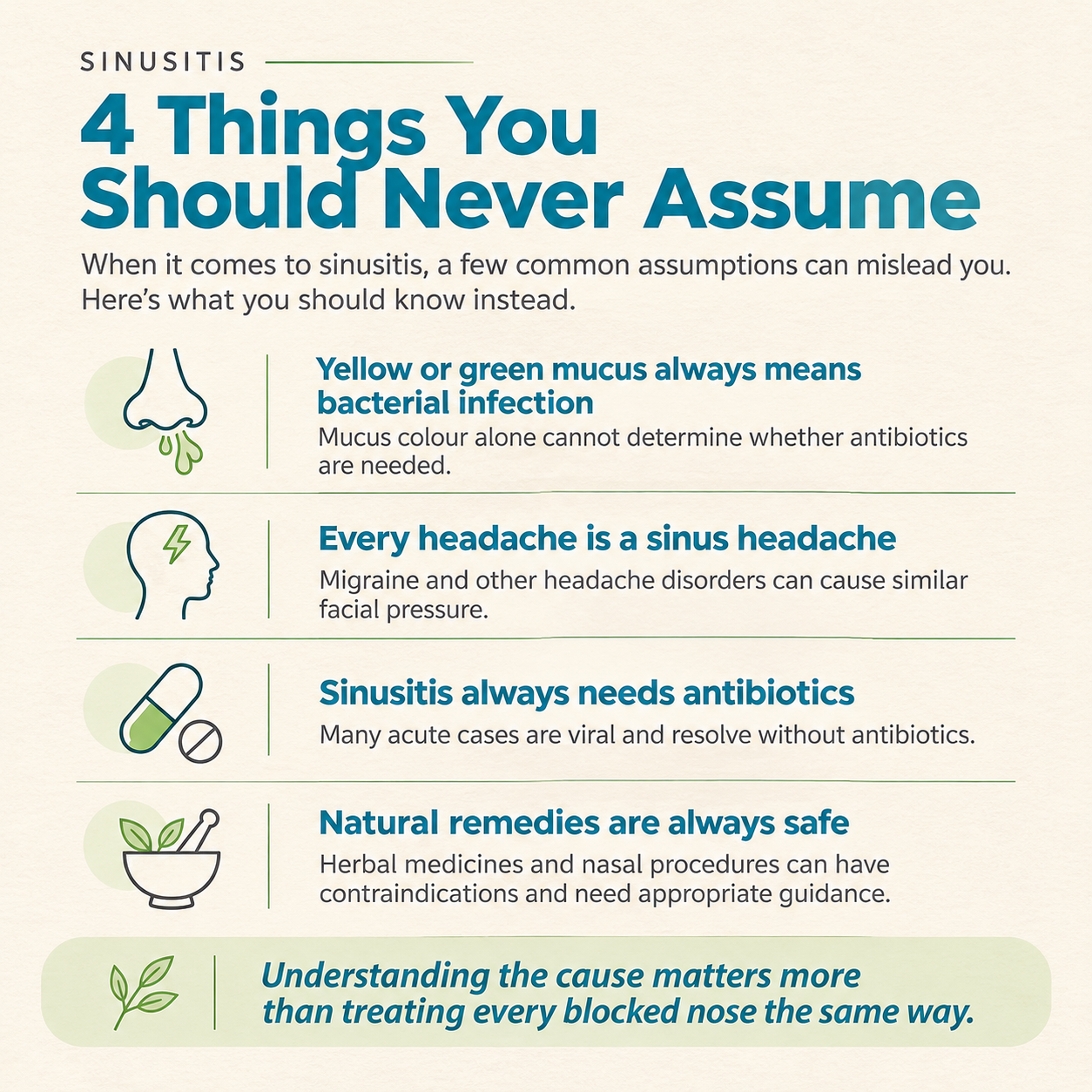
Sinusitis is simply inflammation of the paranasal sinuses (the air spaces around the nose, forehead and cheeks). These sinuses produce mucus, which normally drains into the nasal passages. When the sinus lining becomes inflamed, the drainage channels can become blocked, and mucus can build up. The resulting discomfort can range from a blocked nose to severe facial pain. The usual symptoms of sinusitis are:
- Nasal congestion or a blocked nose
- Thick nasal discharge, which may be clear, yellow or green
- Pressure or pain around the forehead, cheeks and eyes
- Headaches that may become more noticeable when bending forward
- Reduced sense of smell or taste
- Mucus dripping down the back of the throat (postnasal drip)
- Cough, particularly at night
- Bad breath and a feeling of heaviness around the face
Not everyone will have all these symptoms. Some people will predominantly have a blocked nose; others will have facial pressure and headaches as their main problem.
Sinusitis can occur following a common cold or another respiratory infection. Allergic rhinitis, nasal polyps and nasal structural problems can also lead to recurrent inflammation. Symptom duration matters. Acute sinusitis lasts less than 4 weeks; chronic rhinosinusitis lasts 12 weeks or more. Recurrent episodes of acute sinusitis may also be worth getting checked, especially if the symptoms never quite go away. If you’re having recurrent congestion, treating each episode as a normal cold may be a missed opportunity to address the root cause.
Why does sinusitis get worse in certain seasons?
Changes in temperature and humidity can make nasal symptoms more noticeable. In colder weather, we tend to spend more time indoors and are exposed to more dust, mould, and other allergens. Respiratory infections are also more likely to spread in the shared indoor environment. For someone with allergic rhinitis or chronic sinusitis, this can exacerbate inflammation. Some of the usual suspects would be:
- Cold air and temperature changes: Sudden exposure to cold air can irritate the sensitive nasal passages of some people and can, in fact, make congestion worse.
- Dust and environmental allergens: Dust mites, mould, and pollen can lead to allergic inflammation, resulting in sneezing, a runny nose, and nasal blockage.
- Respiratory infections: A viral cold will swell the nasal cavities and impede normal sinus drainage.
- Underlying nasal conditions (nasal polyps, a deviated septum and so on) can all make drainage difficult.
Seasonal sinusitis has a very real family health dimension. A child at school, an adult at work, an elderly relative at home will all be likely to be suffering from some form of respiratory complaint at the same time. The fact that they all have similar symptoms doesn’t mean they all have the same thing or need the same treatment.
Sinusitis Through the Lens of Ayurveda: Understanding Pratishyaya
In Ayurveda, sinusitis and the various nasal complaints that accompany it are classified as Pratishyaya, a category of disease that involves rhinorrhoea and associated symptoms.
One relevant classification is Kaphaja Pratishyaya, in which aggravated Kapha dosha is associated with thick mucus, nasal blockage, head heaviness, and a reduced sense of smell. If Vata is also involved, then one may have headaches, dryness and a change in the nature of the nasal discharge. Ayurveda also considers the involvement of the Pranavaha Srotas (the channels of respiration). An Ayurveda assessment determines these factors and also whether inflammation, allergy, infection, nasal polyps, or another condition is causing the symptoms. Understanding this helps make more appropriate treatment decisions, especially if symptoms continue or recur.
Ayurvedic treatment for sinusitis: what does it involve?
Ayurvedic treatment for sinusitis may involve internal medicines, external therapies, dietary changes, and lifestyle changes.
1. Nasya Therapy for Nasal Congestion
Nasya Karma is a well-known Panchakarma treatment that involves administering medicated oils or powders through the nasal cavity.
Depending on the presentation, the doctor may choose a preparation. Anu Taila is one formulation used in Nasya. The preparation, dose, timing, and method of administration will depend on the individual. Don’t start it on your own, particularly if you’re a child, an elderly person or if you have an active nasal infection or any other pre-existing condition. The doctor has to assess whether it’s appropriate in that individual’s case. For those of us considering nasya as a potential intervention for sinusitis, it’s important to remember that nasya is a specific Ayurveda procedure, not simply putting oil or drops in the nose. It should be done under the guidance of a properly qualified practitioner.
2. Internal Ayurveda Medicines
A qualified practitioner can prescribe internal medicines based on the individual’s symptoms and assessment. Certain formulations can be of use in the management of respiratory and nasal complaints. The choice of formulation will depend on whether the complaint is primarily one of mucus, dryness, inflammation, etc. Self-medication should be avoided. Even herbal formulations can have contraindications, interactions with other drugs and age restrictions.
3. Dietary and Lifestyle Changes
Food and daily habits are, of course, key in Ayurveda management. The doctor may recommend a number of dietary changes depending on the individual’s digestive capacity, symptom pattern, and general state of health. Regular meal times, sufficient fluid intake, and avoidance of foods known to aggravate the individual’s symptoms may be part of the plan. For some people, a warm, freshly cooked meal may be far more comfortable than a cold one during a period of congestion. Good sleep and avoiding known allergens can also help reduce the overall burden of recurrent symptoms. All of these measures help preserve the individual’s health but should never be seen as a substitute for medical investigation if sinusitis is the problem.
Sinusitis Home Remedies: What Can You Try Safely?
When your nose feels blocked, and the pressure around your face becomes uncomfortable, simple measures can offer relief. However, sinusitis home remedy Ayurveda searches often bring up treatments that are not necessarily safe or suitable for everyone. It is important to distinguish supportive home care from therapies that require medical supervision. A few practical measures include:
- Saline nasal irrigation: Rinsing the nasal cavities with saline may help flush out mucus and allergens. Always use distilled, sterile or previously boiled and cooled water, along with a clean irrigation device. Never use untreated tap water.
- Warm fluids: Drinking enough water, soups, and warm beverages can help you stay hydrated and may make thick secretions easier to clear.
- Steam inhalation: Gentle exposure to warm, moist air may temporarily make congestion feel less uncomfortable. However, evidence for steam inhalation as a treatment for sinusitis is limited. Avoid bowls of boiling water because of the risk of burns, especially around children. Eucalyptus essential oil can irritate the airways and should not be added indiscriminately.
- Adequate rest: Sleep gives the body time to recover from respiratory infections. Keeping the sleeping environment free from dust and other known allergens may also help.
- Avoiding triggers: If dust, smoke, strong fragrances or sudden temperature changes aggravate symptoms, reducing exposure may make everyday discomfort easier to manage.
These measures may help control symptoms, but they do not resolve every underlying cause of sinusitis. Persistent symptoms, especially those with fever, worsening facial pain, or recurring episodes, deserve medical attention.
When Should You See a Doctor for Sinusitis?
A blocked nose after a common cold does not always require a doctor’s visit. However, don’t ignore certain symptoms. Consider medical evaluation if:
- Nasal congestion and facial pressure persist for more than 10 days without improvement.
- Your symptoms initially improve but then worsen again.
- Sinusitis keeps recurring throughout the year.
- Nasal blockage, headaches or postnasal drip interfere with sleep and everyday activities.
- You experience persistent loss of smell or have been diagnosed with nasal polyps.
Seek urgent medical attention if you develop swelling or redness around the eyes, vision changes, severe headache, confusion, or a stiff neck. Children and older adults may need a different approach to assessment and treatment. Don’t assume persistent respiratory symptoms are just seasonal changes, and don’t treat them with the same medicines used by other family members.
One Clinic for Your Family's Everyday Health Concerns
When several members of a family experience recurring health complaints, arranging separate consultations can become difficult. A child with a cold, an adult with sinus symptoms and an older parent with joint pain may all need attention, but finding convenient and affordable care for everyone is not always easy. Family Clinic from Apollo AyurVAID Hospitals brings Precision Ayurveda consultations within reach of every generation. The clinic offers consultations for common concerns, including cold, cough, fever, rhinitis, nasal congestion, sinus-related complaints, sore throat, digestive troubles, sleep difficulties, and everyday aches and pains for all family members. A consultation costs ₹500, making the service accessible for routine health concerns throughout the family.
Family Clinic at a glance
Consultation fee: ₹500
Operating hours: 9 AM to 7 PM, every day
Care for children, adults and older family members
Qualified Ayurveda physicians
Personalised consultations guided by Precision Ayurveda
Don't Let a Blocked Nose Turn into a Seasonal Routine
Sinusitis may begin with what feels like an ordinary cold, but recurring congestion, facial pressure and headaches can gradually disturb sleep, concentration and quality of life. When symptoms keep returning, it is worth finding out why rather than relying on temporary relief each time. Ayurveda offers an individualised approach to managing nasal and respiratory complaints, with attention to Dosha involvement, daily habits and overall health. The right treatment, however, begins with understanding the condition and identifying when further medical investigation is necessary. If you or someone in your family has been struggling with recurring nasal congestion, sinus headaches or related everyday health concerns, a consultation can be a useful starting point. Visit an Apollo AyurVAID Family Clinic for a personalised Ayurveda consultation.
References