The liver is an important organ in the human body that is responsible for various functions that help support metabolism, immunity, digestion, detoxification, and vitamin storage. It weighs approximately 2% of an adult’s body weight. Among its other functions, it also helps in fat metabolism and is capable of fat storage.
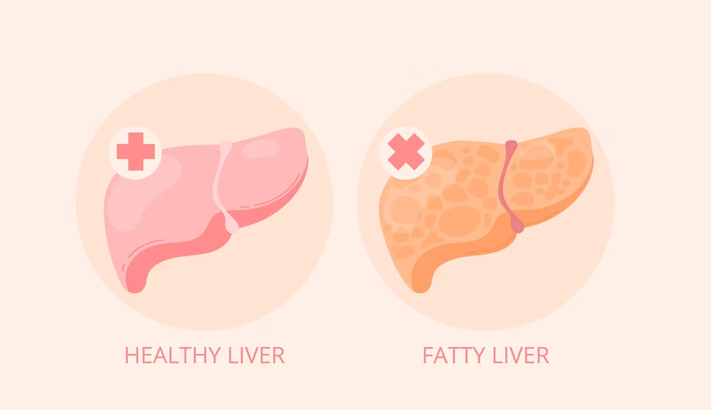
A healthy liver contains a small amount of fat. When there is excess storage of fat in the liver, it becomes sluggish. This is a main sign of a condition called fatty liver disease. When fat makes up more than 5% to 10% of the total weight of your liver, you have fatty liver.
Fatty liver disease, also known as hepatic steatosis, is a condition in which fat builds up inside liver cells beyond healthy limits. In the early stages, it may not cause clear symptoms, which is why many people are unaware they have the condition. However, over time, excess fat can trigger inflammation and interfere with normal liver function, increasing the risk of liver damage if not managed properly.
The most common causes of fatty liver are related to metabolic and lifestyle factors such as obesity, insulin resistance, type 2 diabetes, high cholesterol, and hormonal imbalance. Unhealthy eating habits, including frequent consumption of fried foods, sugary drinks, refined carbohydrates, and processed foods, play a major role. Physical inactivity, long sitting hours, poor sleep, and chronic stress also contribute to fat accumulation in the liver.
Fatty liver is linked to weak digestion, toxin buildup (ama), and imbalance of Kapha and Pitta doshas. When digestion is poor, fats are not processed efficiently and start accumulating in body tissues, including the liver. Ayurvedic treatment focuses on improving digestion, supporting liver detoxification, and restoring metabolic balance through herbal medicines, dietary changes, and lifestyle correction. This approach helps control fat accumulation in the liver and supports long-term liver health.
How do I know if I Have a Fatty Liver?
There are two types of fatty liver, Alcoholic fatty liver disease and Non-alcoholic fatty liver disease (NAFLD). Among individuals grappling with medical conditions like obesity, diabetes, and more, NAFLD tends to be a prevalent occurrence. Fatty liver generally operates without any discernible signs or significant symptoms and maintains its regular functionality initially. During routine medical evaluations, such as ultrasound scans, the liver’s actual dimensions can be evaluated. In cases of fatty liver disease, it’s often noted that the liver’s size is enlarged, with severity graded on a scale of 1, 2, and 3, each denoting an escalating level of seriousness. Notably, symptoms typically manifest when the disease reaches grade 3 of severity.
Role of Triphala in Liver Health
Role of Triphala in Liver Health
Triphala is a traditional Ayurvedic herbal blend made from three fruits: Amla (Amalaki), Bibhitaki, and Haritaki, and it is valued in Ayurveda for supporting detoxification and digestion. In the context of liver health, it works in a few key ways:
- Natural detoxifier: Triphala helps the body eliminate toxins, including from the liver and digestive tract. Its antioxidant content, especially vitamin C from Amla, protects liver cells from oxidative stress and supports the liver’s natural cleansing processes. This makes it useful in managing conditions where toxin buildup and sluggish metabolism are present, such as fatty liver.
- Digestive enhancer: Triphala stimulates digestion, improves bowel regularity, and helps balance digestive fire (agni). Better digestion reduces the burden on the liver by ensuring fats and nutrients are processed efficiently rather than accumulating as waste or fat in the liver.
- Improves fat metabolism: By supporting bile flow and enzyme activity linked to fat breakdown, Triphala may help reduce fat accumulation in liver cells, which is an important factor in fatty liver management.
- Anti-inflammatory and protective: The blend has anti-inflammatory properties from Haritaki and Bibhitaki, which can help ease inflammation associated with fatty liver and protect healthy liver tissue.
Due to its combined effects, including detox support, improved digestion, antioxidant protection, and enhanced fat metabolism, Triphala is often recommended in Ayurvedic approaches that aim to support liver function and manage fatty liver disease as part of a comprehensive diet and lifestyle plan.
Ayurvedic Mechanism of Triphala for Detoxification
In Ayurveda, Triphala is known for its unique ability to balance all three doshas while supporting digestion and natural detoxification.
- Balances doshas: Triphala helps harmonize Vata, Pitta, and Kapha, supporting overall body balance and healthy liver function.
- Strengthens Agni (digestive fire): Improves digestion and metabolism, preventing the formation of toxins (ama) from improperly digested food.
- Flushes out toxins (ama): Supports gentle cleansing of the digestive tract and liver channels, improving bile flow and clearing blockages.
- Reduces inflammation: Helps cool excess Pitta and reduces liver inflammation, protecting healthy liver tissue.
- Controls fat accumulation: Manages Kapha-related fat deposition in the liver, supporting metabolic balance.
- Supports natural detoxification: Promotes gradual and sustainable liver cleansing without harsh purging, restoring liver efficiency and overall health.
Ayurveda and Fatty Liver
Ayurveda holds the organ liver in high regard with respect to its importance to carry out major physiological functions. The liver is known as Yakrit in the Sanskrit language which, according to Ayurveda, is the origin of one of the principal Doshas known as Pitta Dosha and Rakta Dhatu. The metabolic activities and transformation are carried out because of a healthy liver function. Ayurveda has a treasure trove of ways to improve liver health naturally. Some of the ways of controlling fatty liver and its progression are:

- Avoid Alchohol especially if you are diagnosed with an alcoholic fatty liver. It is also recommended for non-alcoholic fatty liver disease (NFLAD) to avoid Pitta aggravation.
- Maintain healthy cholesterol levels as there is a direct connection between the liver and cholesterol. High levels of cholesterol are not only due to fatty foods, but they accumulate in the liver and hamper natural cholesterol metabolism.
- Use natural herbs such as Triphala, a combination of three potent herbs known as Amalaki, Haritaki, and Bibhitaki. Triphala is an effective remedy for improving liver metabolism naturally. It can be used in powder form or tablets, and in doses as recommended by your Ayurveda physician.
- Ensure your bowel movement is regular and there is no constipation. This is essential to reduce the toxin built up. Natural laxatives such as Black manuka, Psyllium husk, and dietary changes help with constipation.
- Maintain a healthy weight. Losing even 10% of your total body weight helps in improving liver function drastically. Fatty liver is common in obese individuals, so maintain a healthy weight to stop the progression of your fatty liver condition.
- Ayurveda treatments for advanced conditions of fatty liver disease include plant-based medicines and Panchakarma treatments in addition to diet and lifestyle changes. It is highly recommended to consult an Ayurveda physician to improve your liver health before starting any treatment.