Sitz Bath for Anal Fissure: Benefits, Methods, & Healing Tips

Table of Contents

There’s a moment many people with an anal fissure quietly dread. Not the pain itself, but the anticipation of it. The pause before using the toilet. The tightening in the body. The worry isn’t just about the pain — it’s about how long the burning will stay this time. And once that thought settles in, it quietly follows you through the day, affecting focus, mood, and confidence, especially at work.

The good news is that, despite their pain, anal fissures respond quite well to simple, consistent care. One of the most effective and widely trusted approaches is a sitz bath for fissure; a gentle practice that supports healing without force.

Why a Sitz Bath Helps an Anal Fissure Heal

From a modern medical perspective, an anal fissure is a small tear in the lining of the anal canal. Hard stools, constipation, and straining are common triggers of these conditions. The surrounding muscles reflexively tighten after the tear forms, decreasing blood flow and delaying the healing process. A warm anal fissure hip bath directly interrupts this cycle.

  • The anal sphincter is relaxed by warmth
  • Spasms, burning sensations, and pain lessen
  • The area’s blood flow improves, whichhelps the tear settle and repair over time.

Because of these factors, a sitz bath is still one of the most effective home remedies for anal fissures. More information about these natural remedies can be found here.

What a Sitz Bath Actually Feels Like

Many people imagine it to be complicated. It isn’t.

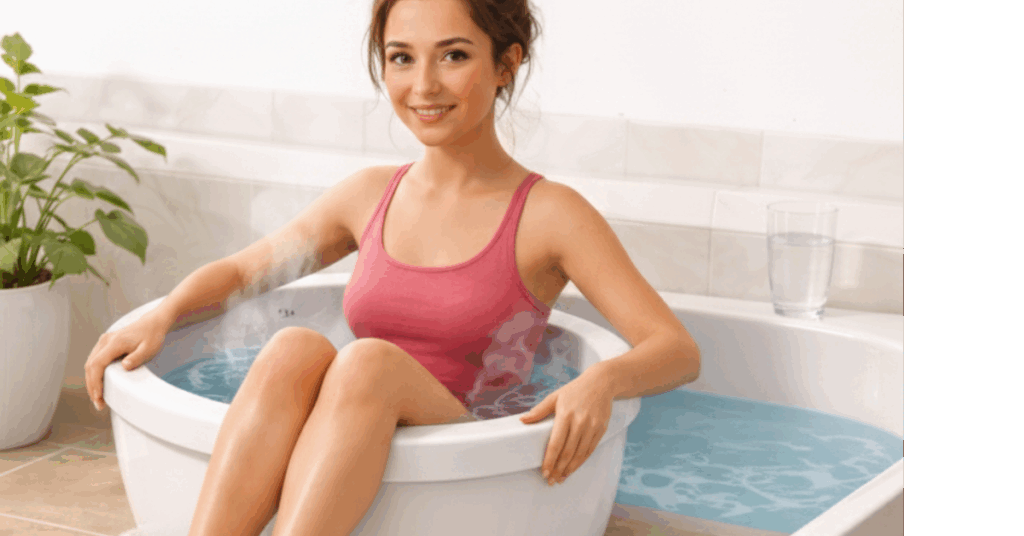
A sitz bath anal fissure routine simply involves sitting in comfortably warm water for about 10–15 minutes. No scrubbing. No pressure.

Most people notice relief almost immediately: less burning, less tightness, and a sense of calm in the area. Over time, regular use allows the tissue to soften and recover.

Enhancing the Sitz Bath with Thriphala

This is where Ayurveda wisdom becomes especially useful. Thriphala Choornam is best known as a digestive formulation, but it has traditionally been used externally as well. When added to a sitz bath, it supports tissue healing and reduces irritation. Thriphala works because it is: 

  • Sara – supports smoother bowel movements, reducing strain.
  • Pachana – helps reduce inflammatory waste.
  • Twachya – nourishes and calms skin and mucosal tissue


This makes it a valuable part of natural remedies for anal fissure, especially when constipation and burning are recurring issues.

How to Use Thriphala for a Sitz Bath

A simple, safe method:

  • Boil 1–2 teaspoons of AyurVAID Thriphala Choornam in 1 litre of water
  • Strain and add this decoction to a bucket or tub of warm water
  • Sit comfortably for 10–15 minutes
  • Gently pat dry — avoid rubbing


This can be done once or twice daily, especially after bowel movements. AyurVAID Triphala Choornam is prepared using classical methods and tested to ensure safety, purity, and therapeutic integrity. Unlike generic powders, it meets API standards with heavy metals well within permissible limits. 

A Small but Meaningful Shift: a Common Scenario

Many people come in after weeks of discomfort, relying on pain-relief creams alone. Bowel movements remain difficult. Fear of pain leads to holding stools, which only worsens constipation.
Once a daily sitz bath is introduced, along with dietary correction and gentle digestive support, something shifts. Pain reduces first. Then bowel movements become easier. Over a few weeks, the fissure begins to heal instead of reopening. This steady, step-by-step improvement is what lasting recovery usually looks like.

Insurance Backed

Precision Ayurveda
Medical Care

Supporting Healing Beyond the Bath

A sitz bath works best when paired with small daily changes:

  • Drink adequate warm fluids
  • Eat fibre-rich, freshly prepared meals.
  • Avoid suppressing the urge to defecate
  • Reduce excessive sitting and straining

Together, these form practical fissure remedies that fit into real life. 

How AyurVAID’s Approach is Different

At Apollo AyurVAID, care for anal fissures starts with understanding why the tear keeps recurring. Often, it isn’t just about the skin. Constipation, digestion, long hours of sitting, irregular meals, and ongoing stress all play a role. Treatment is planned with this full picture in mind. Attention is given to easing bowel movements, reducing strain, and supporting healing — not just numbing pain. Recommendations are kept practical, so they fit into your daily routine and can be followed consistently. This physician-led, evidence-based Ayurveda approach allows healing to happen steadily, without shortcuts or exaggerated claims.

Conclusion

An anal fissure can make everyday life uncomfortable, even isolating. But healing doesn’t require aggressive measures. Often, it begins with warmth, patience, and regular care. A thoughtfully done sitz bath for fissure, supported by gentle Ayurveda remedies and digestive balance, gives the body the conditions it needs to heal naturally. But if the discomfort persists, it may be time to learn what your body needs. Speak with an Apollo AyurVAID physician. Explore personalised care that supports healing; safely, steadily, and with clarity. Healing doesn’t come with urgency. It comes from alignment.

References

Gupta P. Randomized, controlled study comparing sitz-bath and no-sitz-bath treatments in patients with acute anal fissures. ANZ J Surg. 2006 Aug;76(8):718–721. external link
Rathi B, Rajput D. Role of Agnikarma in chronic anal fissure – an open clinical study. Int J Ayurveda Res. 2019;10(2):58–63.
Rahmani N, Khademloo M, Vosoughi K, Assadpour S. Effects of Aloe vera cream on chronic anal fissure pain, wound healing and hemorrhaging upon defecation: a prospective double blind clinical trial. Eur Rev Med Pharmacol Sci. 2014;18(7):1078–1084. external link
Sharma PV. Jatyadi Taila in management of Parikartika – classical review and clinical utility. J Res Ayurvedic Sci. 2018;2(3):145–150.
Patil S, Bhat S, Rao PN. Clinical evaluation of Matra Basti with Tila Taila in Parikartika (anal fissure). Ayu. 2016 Oct–Dec;37(4):273–277.

FAQ

How often should I do a sitz bath for anal fissure?
Once or twice daily is usually sufficient. Consistency matters more than frequency.
Can Triphala be used safely in a sitz bath?
Yes, when prepared correctly. It soothes tissue and supports healing without irritation.
Are sitz baths enough to heal a fissure?
They are highly supportive, but the best results come when digestion and bowel habits are also corrected.
Is this remedy suitable for chronic fissures?
Yes. Many people with long-standing fissures experience gradual relief with regular use.
When should I seek medical advice?
If pain persists for more than a few weeks or bleeding increases, a personalised consultation is important.

Leave a Reply

Your email address will not be published. Required fields are marked *

Homepage B RCB

Please fill out the form below to Request a call back

Patient details

Select Preferred Center

Table of Contents
Latest Post
235
Ayurvedic Remedies For Piles During Pregnancy
233
How to Prevent Fistula: Effective Ways to Prevent Anal Fistula Naturally
231
Thyroid Treatment in Ayurveda: Natural Ways to Manage Thyroid Disorders
AyurVAID Shop
Book a consultation now

Consult our Ayurvedic doctor with 20+ Years of experience &
Insurance Approved Treatment

Homepage B RCB

Please fill out the form below to Request a call back

Patient details

Select Preferred Center

Popular Searches: DiseasesTreatmentsDoctorsHospitalsWhole person careRefer a patientInsurance

Hours of Operation:
8am – 8pm (Mon-Sat)
8am – 5pm (Sun)

Follow Apollo AyurVAID hospitals