An anal fissure is a small tear in the lining of the anal canal, which can cause severe pain and bleeding, most often when passing stools or immediately afterwards. In Ayurveda, anal fissure is known as Parikartika (“Pari” = around; “Kartika” = cutting pain), which describes the piercing, cutting pain that one experiences during this condition. Anal fissures can affect people of any age group and are very common among those with anorectal disorders.
There are two main types:
Acute fissures: A recent, superficial tear of the lining of the anal canal, usually characterised by the sudden onset of pain, burning, and/or bleeding with that pain, during or after a bowel movement. Usually heal within 6 weeks. Conservative measures, such as stool softeners, warm sitz baths and dietary changes, are usually sufficient.
Chronic fissures: Symptoms are of long duration (Usually >6-8 weeks) and have not improved with topical creams or other treatments. Definitive signs include a skin tag (sentinel pile), hypertrophied anal papilla or muscle fibres seen at the base, and are generally treated with specialised care.
Ayurveda attributes fissures primarily to Mandagni (poor digestive fire), habitual straining during bowel movements, dehydration, and irregular lifestyle. A weakened digestive fire and poor elimination can cause dry, hard stools, which can injure the delicate anal mucosa, leading to a fissure.
Fissures can cause a range of symptoms. Some of the commonly seen symptoms include Sharp, burning pain during or after a bowel movement (may last for hours), bright red bleeding on toilet paper or in the stool, and local itching, burning, or discomfort.
Apollo AyurVAID employs an integrated, individualised, and protocol-driven approach (Precision Ayurveda), addressing the root causes of Fissures rather than merely treating their symptoms. An expert team of Ayurveda physicians conducts a comprehensive whole-person health assessment to develop a personalised protocol, which includes classical Ayurveda medications and therapies, as well as tailored diet and lifestyle modifications.
Ayurveda management of Fissures at Apollo AyurVAID focuses on preventing the recurrence of the disease, providing fast relief from pain and bleeding, promoting quick and complete healing of the fissure, preventing recurrence, and achieving a more comfortable quality of life.
Get Relief from Sharp Pain After Bowel Movements
Book a consultation for immediate pain management and lasting comfort using Precision Ayurveda protocols.
Who Can Benefit and Who May Not: Ayurveda Treatment Scope in Fissure-in-Ano
Who Benefits from AyurVAID’s Treatment?
Individuals with acute fissures: Ayurveda helps by decreasing inflammation, healing the tear, and correcting other factors such as hard stools or poor digestion.
Individuals with chronic or recurring fissures: Ayurveda treatments help reduce anal muscle spasms, support healthy tissue regeneration, and improve blood flow without risking anal incontinence.
Patients with constipation-related fissures: Ayurveda addresses the root causes, such as low digestive fire (Agni Mandya), improper food combinations, or irregular bowel habits, that often contribute to recurring tears in the anal canal.
Individuals looking for a non-surgical option: Ayurveda offers a safe, non-invasive alternative for people who are hesitant about surgical interventions due to fear of pain, complications, or altered anal function.
Those seeking personalised care: Ayurveda considers each individual’s Prakriti (constitution), Vikriti (imbalances), diet, and lifestyle, making it especially effective for patients who need customised, whole-person care.
Women in the postpartum period: Ayurveda helps new mothers quickly heal from fissures with minimally invasive treatments.
Patients with comorbidities: Ayurveda offers treatments that safely heal fissures while also addressing comorbidities such as IBS, haemorrhoids, or metabolic issues (e.g., hypothyroid, diabetes).
Who May Not Benefit from Ayurveda Treatment?
Patients with fissures that appear to have advanced or complicated pathology that requires immediate surgical intervention.
Patients seeking a quick resolution through external applications.
What Anal Fissure Patients Can Expect from AyurVAID’s Approach
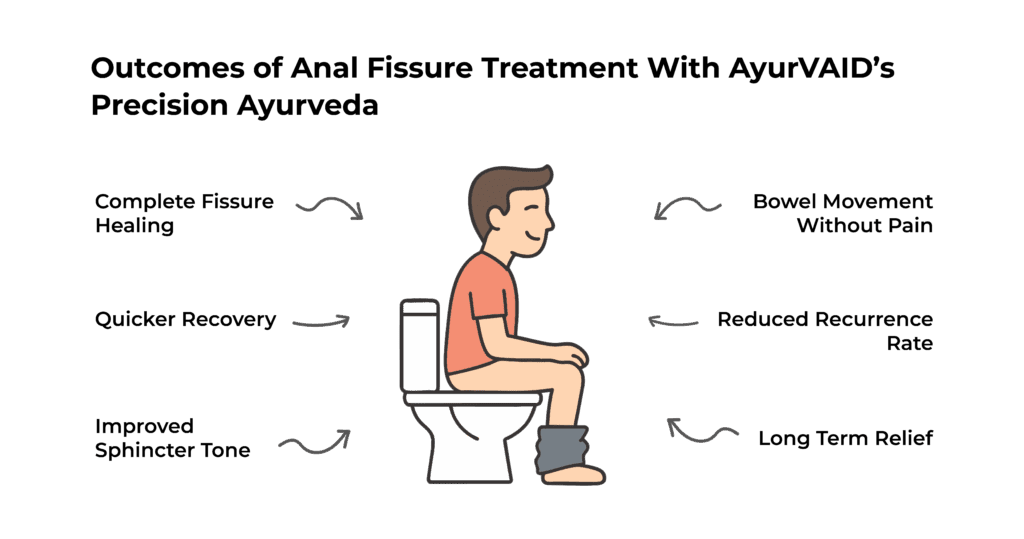
Anal fissure treatment at AyurVAID goes beyond just pain relief and targets the underlying causes of the problem to restore anorectal health for the long term. The goal is to heal the tear, prevent it from recurring, and also to develop healthy bowel habits using evidence-based Ayurveda treatment protocols. Patients with fissures experience the following specific benefits:
Faster Healing and Pain Relief: The topical application or infiltration of medicated oils helps reduce pain and inflammation, as well as sphincter spasm, while soothing the fissure to promote tissue healing.
Correction of Bowel Irregularities: Ayurveda addresses the underlying constipation or hard stools to regulate bowel movements without dependency.
Restoration of Tissue Strength and Function: Internal medicines and external therapies help restore normal sphincter tone and reduce spasms, making recurrence less likely and enhancing natural healing capacity.
Whole-Person Healing and Prevention: AyurVAID’s approach incorporates stress management, lifestyle correction, and comorbidity care, recognising the impact of emotional, dietary, and behavioural factors in fissure onset and recurrence.
Less Invasive and Drug-Free Recovery: Ayurveda supports recovery without dependency or major interventions.
Causative Factors (Nidanas) for Fissure-in-Ano
According to Ayurveda, Parikartika, or fissure, is primarily caused by the derangement of Vata dosha, associated derangements of Pitta dosha, and affects the twak (skin), rakta (blood), mamsa (muscle), and Purishavaha srotas (excretory channels). The most common contributory factors include:
Dietary Factors (Ahara Nidana): Excessive intake of foods such as processed snacks, deep-fried items, spicy fast food, and dry bakery products can aggravate Vata and disrupt Agni. Additionally, a low-fibre diet coupled with not drinking enough water leads to constipation, which is the most consistent aggravator of anal fissures.
Lifestyle Factors (Vihara Nidana): A sedentary lifestyle, prolonged sitting or standing, and excessive straining during defecation, Ratrijagarana (late-night sleeping), and exposure to cold, dry environments aggravate Vata. Furthermore, the habit of suppressing natural urges, especially the urge to defecate, causes abnormal rectal pressure.
Psychological Factors (Manasika Nidana): According to Ayurveda, mental health and emotional well-being have a direct impact on digestive and eliminatory functions. Chronic stress, worry, grief, anger, and anxiety can vitiate Vata and impair Agni, leading to irregular bowel movements and constipation or diarrhoea.
Other Contributory Factors: Apart from diet, lifestyle, and psychological factors, trauma to the anal canal from medical instrumentation, anal intercourse, or poor hygiene practices can cause physical damage to the delicate anal mucosa. Postpartum women may also present with fissures due to strain and pressure during delivery.
Symptoms (Rupa) of Fissure-in-Ano
Parikartika is described as a condition that causes intense cutting-type pain in the anal region. The condition can present acutely or become chronic, with symptoms worsening if left untreated. These include:
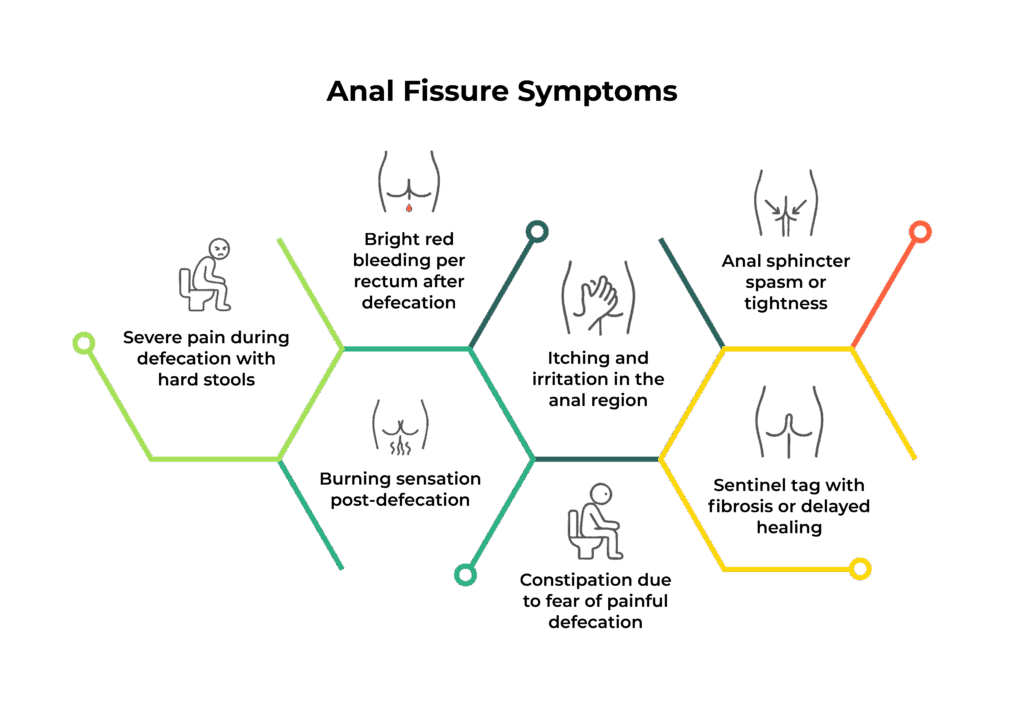
Sharp Cutting Pain: This pain arises due to the tearing of the mucosal lining of the anal canal and is intensified when passing hard stools.
Bleeding per Rectum: Fresh bleeding, usually bright red, is commonly observed either as streaks on the stool or as drops after defecation.
Burning Sensation: A burning sensation in the anus, especially after bowel movements. This intensifies when spicy or sour foods are consumed.
Itching in the Anal Region: In cases of chronic fissures or secondary infections, itching and irritation around the anus are common.
Constipation: Due to a fear of pain, the patient may suppress the urge to pass stool, which can worsen the condition.
Spasm or Constriction: Anal sphincter spasm or a tightness in the anal region may be felt, especially in acute fissures.
Sentinel Tag or Chronic Signs: In chronic fissures, a sentinel tag (a small skin outgrowth near the tear), fibrosis, or delayed wound healing may be seen.
Samprapti (Pathogenesis) of Fissure-in-Ano
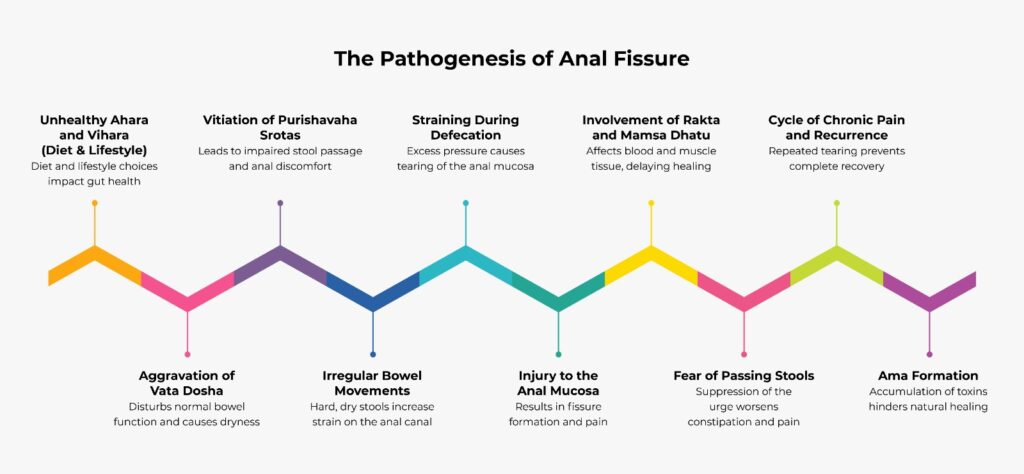
Vata Prakopa (Imbalance of Vata Dosha): The primary causative factor in Parikartika is the aggravation of Vata dosha, particularly its Ruksha (dry) and Khara (rough) qualities.
Srotodushti (Channel Obstruction): Vitiated Vata affects the Purishavaha Srotas (channels of faecal transport), leading to reduced lubrication in the colon and anal canal. This causes obstruction or improper passage of stool.
Mala Baddhata (Constipation and Hard Stool Formation): Due to impaired gut function and dryness, stools become hard and dry. Defecation becomes difficult, and straining increases pressure in the anal region.
Trauma and Fissuring of Anal Mucosa: Forceful defecation and dryness lead to tears in the Guda (anal region), resulting in sharp, cutting pain, bleeding, and irritation.
Rakta and Mamsa Dhatu Involvement: As the condition progresses, Rakta (blood) and Mamsa (muscle tissue) are affected. This leads to pain, bleeding, inflammation, and possible formation of sentinel tags in chronic stages.
Cycle of Chronicity Due to Suppression of Urges: Fear of pain during defecation leads to Vegadharana (suppression of natural urges), causing further Vata aggravation and perpetuating the disease cycle.
Ama and Agni Dushti Contribution: Agni dushti (weakened digestive fire) leads to the accumulation of Ama (inflammation), which can further irritate local tissues and slow healing.
AyurVAID’s 4-Step Approach to Determine Root Cause and Create Individualised Treatment Plan
AyurVAID employs a structured, protocol-driven approach to ensure effective treatment and sustainable recovery for patients with Fissure-in-Ano.
Whole-Person Health Assessment Conducted by our specially trained doctors, this assessment includes an in-depth evaluation of present and past symptoms, Nidana Panchaka (causative factors), Ashta Sthana Pariksha (an 8-fold clinical examination), Dasha Vidha Pariksha (a 10-point profiling), and Srotas evaluation. The fissure’s duration, tone, and position of the anal sphincter, and the exact location of the fissure are also assessed and noted. Relevant laboratory testsare integrated for a thorough evaluation. Dietary habits, bowel patterns, and lifestyle history are also explored as potential contributors.
Disease Tree A comprehensive disease tree is developed to understand the root cause and the full extent of the condition. This includes triggers such as chronic constipation, pregnancy-related strain, or inflammatory bowel tendencies, and maps them to dosha imbalances (commonly Pitta-Vata), affected gastrointestinal pathways, and the stages of tissue and sphincter involvement.
Personalised Protocol-Based Care Plan Based on the detailed assessment, AyurVAID designs a personalised protocol-driven treatment plan. It includes local therapeutic applications, internal classical Ayurvedic medications, dietary adjustments, and lifestyle modifications. Local treatments such as medicated sitz baths, oil infiltration and application, and Kshara Karma (where appropriate) promote sphincter relaxation, tissue repair, and pain relief. The focus remains on healing, restoring normal bowel function, and preventing recurrence.
Disease Monitoring and Outcomes Tracking Our clinical team monitors the patient’s response to treatment through consistent evaluation of pain levels (using the VAS scale), bleeding, inflammation, and stool patterns during bowel movements. It makes adjustments accordingly, ensuring steady progress.
AyurVAID’s Protocol-Driven Treatment for Fissure-in-Ano (Precision Ayurveda)
Heal Your Fissure with Root-Cause Ayurveda Care
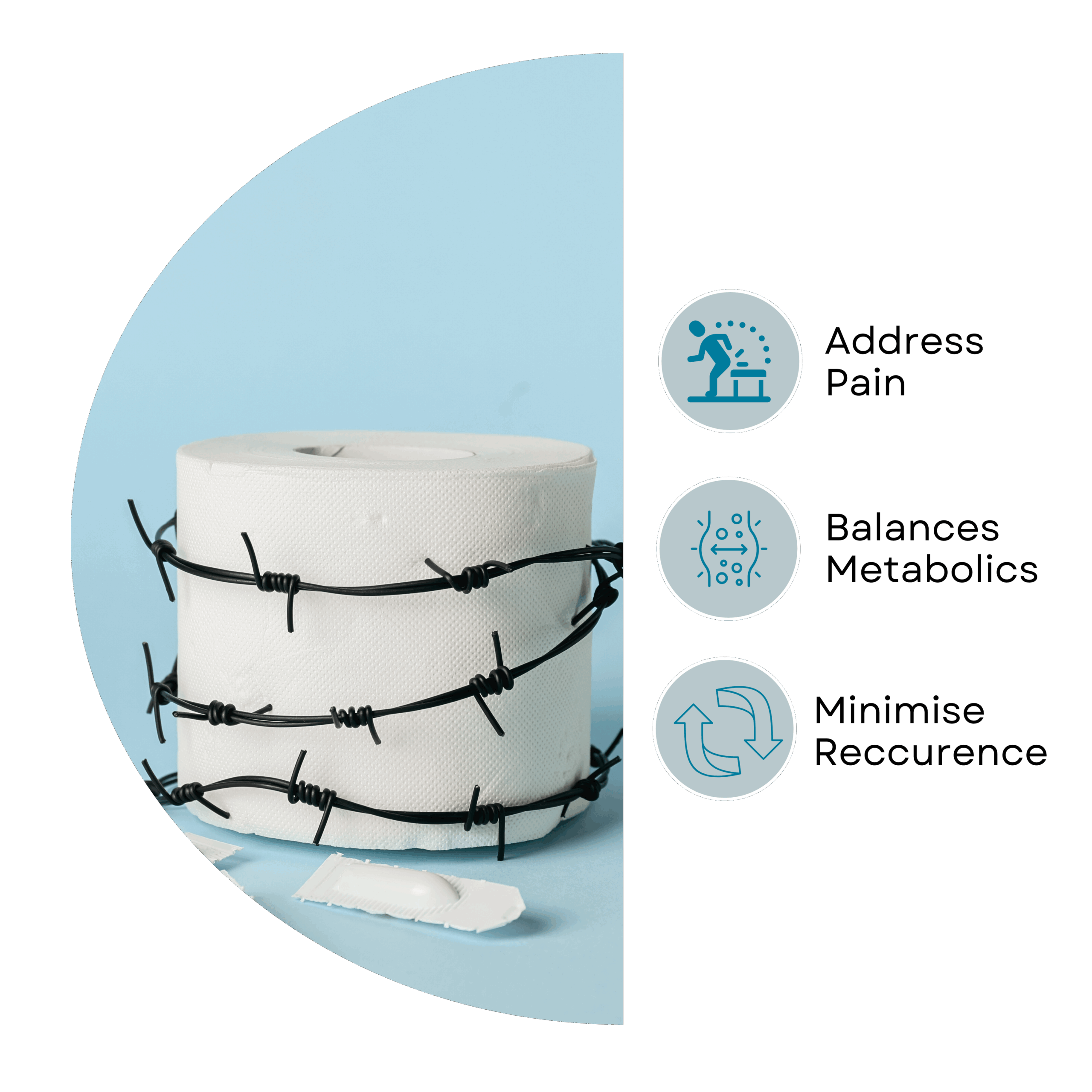
Start a plan to address pain, correct metabolic imbalance, inflammation, and minimise recurrence.
Apollo AyurVAID employs a precision Ayurveda approach to manage Anal fissures by addressing the root cause and effectively managing local symptom manifestations, such as pain, spasm, and bleeding.
Treatment Approach
1. Pain/Inflammation Reduction:
Objective: To relieve acute pain, sphincter spasm, soothe inflammation, and prepare the tissue for healing.
Local Therapies:
Taila Poorana with medicated oils to reduce inflammation and soothe tissues
Anuvasana Vasti / Pichha Vasti / Sheetala Vasti for Vata-Pitta shamanam and lubrication of the rectal tract
Pichu & Avagaha Sweda (herbal sitz bath) for local relaxation and reduction in burning and itching
2. Promoting Healing:
Objective: To balance doshas internally, enhance digestion, heal mucosal lining, and regenerate local tissues
Internal Therapies:
Deepana & Pachana to boost the digestive fire and reduce inflammation
Mild laxatives and gut-regulating herbs to ease bowel movements
Ghrita or Lehyam formulations with Vatapitta-shamaka herbs for internal healing
3. Diet and Lifestyle Modifications:
Objective: To prevent recurrence by supporting digestion, gut motility, and tissue regeneration
Dietary Plan:
Warm, freshly cooked fibre-rich food
Adequate hydration
Avoid spicy, oily, processed, and junk foods
Eat at regular times each day and avoid both overeating and undereating to ensure the Agni (digestive fire) remains strong, thus reducing the risk of hard stools.
Lifestyle Guidance:
Regular daily routine and bowel timings
Avoid prolonged sitting or straining
Gentle physical activity and stress reduction (e.g., Pranayama)
Don’t suppress natural urges like the need to defecate, urinate, or pass gas.
4. Maintenance Phase (Outpatient-Based)
Objective: Long-term tissue support, recurrence prevention, and gut regulation
Follow-up use of Vranaropana herbs to promote tissue regeneration and long-term healing.
Continued dietary discipline and lifestyle modifications
Note: Treatment duration and specific therapy selection are tailored based on the chronicity, comorbidities (e.g., IBS, IBD, pregnancy), and severity of the fissure.
Outcomes Delivered
Minimally Invasive Ayurveda Fissure Treatments
Discover minimally invasive, low-pain solutions like herbal applications and procedural therapies for persistent fissures.
AyurVAID follows a structured, protocol-driven approach to ensure effective treatment and sustainable recovery in Anal Fissure. To ensure effective treatment and track progress, baseline values are taken using:
Symptom Assessment: Assessment of pain intensity during defecation and bleeding.
Clinical Examination: Regular clinical evaluation to assess healing of the fissure, reduction in inflammation, and restoration of sphincter tone.
Patient-reported outcomes: Relief from pain, arrest of bleeding, ease of bowel movements, and daily comfort are tracked to monitor progress and minimise bias.
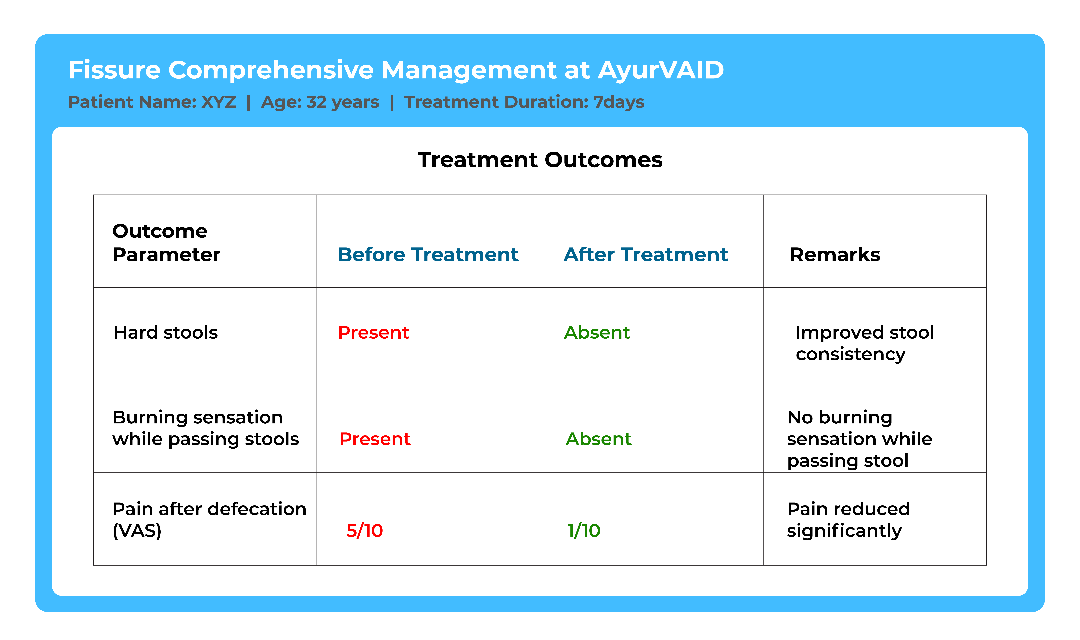
Condition: Fissure-in-Ano Chronicity: 6 months (Pain episodes for 1 month) Gender: Male Treatment Duration: 7 days (26/02/2024 to 03/03/2024)
Treatment Outcomes:
Case Studies
Case 1: A 23-year-old male with chronic Fissure-in-Ano and rectal bleeding
Case Summary:
The patient presented with severe pain and burning sensation during defecation, accompanied by bleeding per rectum
and progressive weight loss over a period of one year. The symptoms had been persistent for the past 7–8 months
and were significantly affecting his quality of life.
Based on clinical examination, a diagnosis of chronic fissure-in-ano was made. The patient underwent a 12-day
Ayurveda treatment protocol consisting of internal medications along with localized therapeutic procedures such as
Sthanika Abhyanga, Nadi Sweda, and Thaila Poorana.
Following completion of the treatment, the patient experienced complete relief from pain and rectal bleeding.
Bowel movements became regular and painless, appetite and sleep improved, and overall vitality and well-being
were restored.
Case 2: A 35-year-old female with chronic Fissure-in-Ano and sentinel tag
Case Summary:
The patient presented with complaints of pain and burning sensation around the anal verge for a duration of six months,
along with a visible mass per anum. The symptoms were aggravated during defecation and menstrual cycles.
Clinical examination revealed fissures at the 6 and 12 o’clock positions, associated with a sentinel tag
and a hypertonic anal sphincter.
The patient underwent Ksharakarma, a para-surgical Ayurvedic procedure, along with excision of the sentinel tag
under local anaesthesia. Post-procedure management included Ayurvedic internal medications, regular wound dressing,
and dietary regulation.
At the time of discharge, the patient reported significant relief from pain, with normal bowel function
and absence of bleeding. She was advised adequate rest, follow-up wound care, and adherence to a light
pathya diet to promote optimal healing.
Scientific Publications
Ayurvedic Management of Parikarthika (Acute Fissure in Ano) – A Case Study (2021) This single-patient case study describes the successful treatment of a 23-year-old male with acute fissure in ano using internal Dusparshakadi Kashayam and Triphaladi Churna, complemented by external Jatyadi Ghrita Pichu and lukewarm sitz baths. Complete ulcer healing occurred within 12 days, and no recurrence was noted after three months, highlighting the regimen’s efficacy and safety.
Effectiveness of Anal Infiltration with Murivenna Oil (2021) Fifteen patients with anal fissures were treated using Murivenna oil infiltration, combined with oral Triphala churna and regular sitz baths. Results showed a 93% healing rate within 30 days, with significant symptom relief and no adverse effects, suggesting a potent Ayurvedic intervention for fissure management.
Comparative Clinical Study of Jatyadi Ghrita and Yashtimadhu Ghrita Pichu This clinical trial involved 40 patients treated with either Jatyadi Ghrita or Yashtimadhu Ghrita Pichu for fissure healing. Both treatments showed high efficacy—97.5% and 94.2% healing rates, respectively, without side effects, confirming the traditional use of these medicated ghritas in anorectal disorders.
Efficacy and Safety of Murivenna Anal Infiltration Compared to Diltiazem Ointment (2025) A comparative study demonstrated that Murivenna oil infiltration performed similarly to the conventional diltiazem ointment for treating chronic anal fissures. Both treatments were effective in promoting healing and pain reduction, supporting Murivenna oil as an alternative Ayurvedic therapy.
A Randomized Controlled Clinical Study: Ayurvedic Medications for Fissure-in-Ano In a 60-patient randomised controlled trial, different Ayurvedic regimens were evaluated for fissure treatment. The primary formulation resulted in significant improvements in symptom relief and wound healing compared to controls, supporting clinical use of these medicines.
Effectiveness of Conservative Management of Acute Fissure in Ano (2017) This prospective study of 165 patients showed that conservative management using sitz baths and dietary fibre supplementation led to a 97.6% healing rate at six weeks, emphasising the value of non-surgical traditional methods in fissure resolution.
An Ayurvedic Approach Using Go Ghrita (2021) A case report highlights the use of Go Ghrita (cow ghee) combined with sitz baths to alleviate pain, bleeding, and itching in a 32-year-old patient with acute fissure in ano. The treatment led to symptom relief without recurrence during follow-up.
Natural Treatments for Fissure in Ano Used by Traditional Persian Medicine (2016) This review analyses traditional Persian remedies like clove oil cream, Aloe vera gel, and a honey-olive oil-beeswax mix for fissure management. Clinical evidence from small trials indicates significant efficacy in reducing pain and aiding healing.
Efficacy of Jatyadi Taila and Nirgundi Patra Svarasa in Fissure Healing Twenty patients treated topically with Jatyadi Taila oil and Nirgundi Patra Svarasa (juice) experienced improved healing of fissures and symptom relief, underscoring the therapeutic potential of these Ayurvedic topical agents.
Role of Triphala Ghrita in Postoperative Anal Fissure Healing Use of Triphala Ghrita in postoperative care accelerated healing and reduced pain in patients recovering from anal fissure surgery, indicating its beneficial wound-healing and anti-inflammatory properties.
An anal fissure is termed Parikartika in Ayurveda. Parikartika is described as a condition that has the complaint of cutting or burning pain in the anal area, particularly during and following defecation.
What is the best treatment for a fissure in ano?
Ayurveda treatment for fissure involves local application of medicated oils and ghee preparations, sitz baths (Avagaha Sweda), Ksharasutra (in chronic fissure) and oral medications to promote healing of the fissure and regularity of bowel movements. Dietary and lifestyle changes are another important part of the treatment.
What are the main causes of an anal fissure?
The main causes of an anal fissure are chronic constipation, inability to pass hard stools, persistent diarrhoea, and trauma to the anal canal. In all these conditions, the lining of the anus is stretched excessively or injured, causing tears in the anal lining.
How is a fistula in ano different from a fissure in ano?
A fissure is a crack or tear of the anal canal lining, causing sharp pain during bowel movements, while a fistula is an abnormal tunnel from the anal canal to the skin surface, generally from an infection and has drainage or pus.
Will anal fissures heal on their own?
Mild fissures can heal on their own, but only if the diet and hygiene are in place. But, if the symptoms are major and recurring, it is best to see an Ayurveda doctor instead of waiting for it to heal.
Can stress cause fissures?
Yes. Stress and anxiety can slow digestion, cause binge eating and lead to an unhealthy diet. This can lead to constipation and anal fissures
What is the best diet to prevent anal fissures?
A diet high in fibre and plenty of water/hydration is important to prevent anal fissures. However, if your constipation is due to some underlying conditions like hypothyroidism or irritable bowel syndrome, you should let your treating physician know this.
How long does Ayurvedic treatment for fissures take?
The duration varies according to the condition and health status of the individual. Acute and minor cases can heal in weeks, but chronic and severe cases may take longer.
Hear from our patient!
“I had recurrent anal fistula and even underwent three surgeries, but the problem kept coming back. I turned to Apollo AyurVAID and consulted Dr. Kalpita Thakre, who listened carefully to my history and conducted thorough scans. After her Ayurvedic treatment, my condition improved drastically—I can now sit, walk, and sleep comfortably, and feel confident that there will be no recurrence. I am truly grateful for the skill and compassionate care at Apollo AyurVAID, and highly recommend them to anyone with similar issues.”
Govind Meghvansi, Ram Karan Saini, Vishnu Dutt Sharma, Rajesh Kumar Gupta.
Management of Chronic Fissure in Ano: A Case Study on Conservative vs. Surgical Treatment Approaches.
Ayushdhara. 2024 May 7;11(2):103-6.
Available from:
Sreerag M. V., Mukund Dhule.
Ayurvedic Management of Parikarthika (Acute Fissure in Ano) – A Case Study.
Journal of Pharmaceutical Research International. 2021 Sep 10;33(43B):160-163.
Available from:
S. Parihar, R. Kumar, A. Rawat.
Effectiveness of Anal Infiltration with Murivenna Oil in the Management of Fissure in Ano – A Prospective Study.
Journal of Rectal and Anal Surgery. 2021 May;4(2):115-120.
Available from:
Nilesh Kumar Dubey.
Comparative Clinical Study of Jatyadi Ghrita and Yashtimadhu Ghrita Pichu in Fissure in Ano Treatment.
Pediatric and Interdisciplinary Journal of Ayurveda. 2018;2(4):13-18.
Available from:
P. P. Pradeep Kumar, K. M. Pratap Shankar, V. Krishnakumar, M. S. Amritha, D. A. Sudhakar.
Efficacy and Safety of Murivenna Oil Anal Infiltration Compared to Diltiazem Ointment in Chronic Anal Fissure: A Clinical Study.
Journal of Ayurveda and Integrative Medicine. 2025.
Available from:
P. Arun, P. Sumathy.
A Randomized Controlled Clinical Study on Ayurvedic Medications in the Management of Fissure in Ano.
Journal of Ayurveda and Integrative Medicine Sciences. 2020;5(3):1377-1381.
Available from:
S. Jayanthi, R. Kavitha.
Effectiveness of Conservative Management Including Sitz Bath and Dietary Management in Acute Fissure in Ano: A Prospective Study.
Indian Journal of Surgery. 2017;79(1):34-38.
Available from:
Rituparna Dey.
An Ayurvedic treatment approach using Go Ghrita for fissure in ano: A case report.
International Journal of Fundamental Medical Sciences and Technology. 2021;11(1):29-31.
Available from:
Mohammad Hosein Naseri et al.
Natural Treatments for Fissure-in-Ano: Traditional Persian Medicine Perspectives and Reviewing Clinical Evidence.
Evidence-Based Complementary and Alternative Medicine. 2016; Article ID 8230152.
Available from:
M. A. Agrawal, V. Goyal.
Comparative Clinical Study of Yashtimadhu Ghrita and Lignocaine–Nifedipine Ointment in the Management of Acute Fissure-in-Ano.
Journal of Basic and Clinical Physiology and Pharmacology. 2015;26(3):313-319.
Available from:
Did the information meet your needs?
As we work hard to improve our services, your feedback is important to us. Please take a moment to help us serve you better.
The information provided in this blog is for general informational purposes only and is not intended as a substitute for professional medical advice, diagnosis, or treatment. Always seek the advice of your physician, Ayurvedic practitioner, or other qualified healthcare provider with any questions you may have regarding a medical condition or treatment.
Stay Connected to Health and Wellness
Subscribe to our hospital newsletter for the latest health tips, updates on services, patient stories, and community events. Sign up today and stay informed!
Content Details
We update our articles as new material becomes available, and our specialists keep a close eye on the health and wellness industry.