Web Stories
Step Into the Story: Explore Now
Hemorrhoids, also known as Piles, can be a painful and discomforting condition affecting many individuals. While there are various treatments available, prevention is always better than cure. One way to manage hemorrhoids is through a balanced diet. Understanding hemorrhoids what not to eat is crucial, as certain food items can worsen the condition. Avoiding spicy foods, processed items, and low-fiber diets can help prevent or reduce the symptoms of hemorrhoids and promote better rectal health.
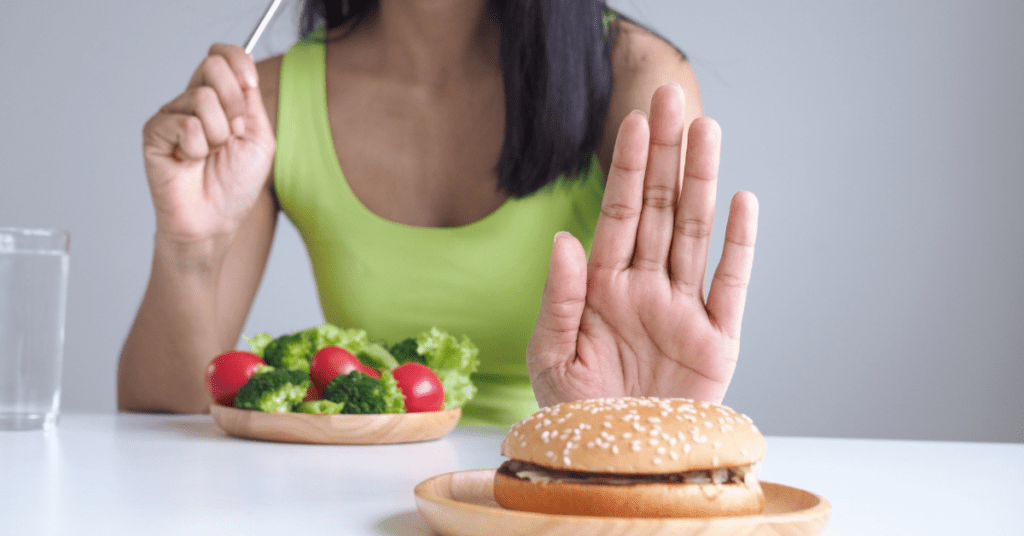
Hot and Spicy Foods: Spicy foods rich in Katu Rasa in Ayurveda such as hot peppers and spicy sauces, can be a trigger for hemorrhoid flare-ups. They can irritate the digestive system and lead to bowel movements that are more frequent and urgent, potentially worsening existing hemorrhoids.
Processed Foods: Processed foods, like fast food, chips, and sugary snacks, are typically low in dietary fiber. A lack of fiber in your diet can lead to constipation, which is a common cause of hemorrhoids. To avoid constipation and reduce the risk of hemorrhoids, opt for whole foods like fruits, vegetables, whole grains, and legumes, which are rich in fiber and promote regular bowel movements.
Refined Grains: Refined grains, such as white bread, white rice, and sugary cereals, lack the fiber and nutrients found in whole grains. Like processed foods, they can contribute to constipation and should be limited in your diet.
Red Meat: Red meat, especially when consumed in excess, can contribute to constipation due to its lower fiber content. It’s advisable to limit your intake of red meat and choose leaner protein sources like poultry, fish, and plant-based proteins such as beans and tofu. These alternatives can help maintain softer stools and reduce the strain on the rectum.

Dairy Products: Dairy products like cheese and ice cream can be binding for some individuals, leading to constipation and potentially worsening hemorrhoid symptoms. If you suspect that dairy is affecting your digestion, consider reducing your consumption or opting for lactose-free alternatives.
Caffeine: Beverages like coffee and certain types of tea can lead to dry, hard stools, making them difficult to pass. Ayurveda also considers these beverages to increase Pitta Dosha. While moderate caffeine intake is generally safe for most people, be mindful of its effects on your digestive system and balance it with adequate water intake.
Alcohol: Alcohol consumption can lead to dehydration, which is a known risk factor for hemorrhoids. According to Ayurveda, it also increases Pitta Dosha. Dehydration can make stools harder and more difficult to pass, increasing the strain on the rectum and exacerbating hemorrhoid symptoms.
Best Foods to Eat When You Have Hemorrhoids
In Ayurveda, hemorrhoids (Arsha) are linked to aggravated Vata and impaired digestion (Agni), often resulting in dryness and constipation. The focus is on soft, fibre-rich, and easy-to-digest foods that support smooth bowel movements and reduce strain.
1. Whole Grains and Fibre-Rich Staples
• Oats, brown rice, barley
• Whole wheat (in moderation)
• Millets like ragi and jowar
These help bulk and soften stools, making them easier to pass.
2. Cooked Vegetables (Easy on Digestion)
• Bottle gourd (lauki), ridge gourd, pumpkin
• Carrots, beetroot (well-cooked)
• Spinach and other leafy greens
Cooking vegetables makes them easier to digest and less likely to aggravate Vata.
3. Fruits That Promote Regular Bowel Movements
• Papaya
• Ripe bananas (in moderation)
• Stewed apples
• Soaked raisins and figs
These act as natural stool softeners.
4. Healthy Fats for Lubrication
• Small amounts of cow’s ghee
• Flaxseeds (ground)
They help reduce dryness in the intestines and ease bowel movement.
5. Hydrating Fluids
• Warm water throughout the day
• Buttermilk (takra) with roasted cumin
• Light soups and broths
Key principle: warm, soft, and freshly prepared foods help reduce irritation and support healing.
Foods That Help Relieve Constipation and Hemorrhoids
Constipation is one of the main causes of hemorrhoids. Ayurveda focuses on improving digestion and ensuring smooth elimination.
1. Natural Laxative Foods
• Soaked black raisins (overnight)
• Figs (anjeer), soaked and consumed in the morning
• Prunes (modern inclusion, similar effect
2. High-Fibre Vegetables and Legumes
• Moong dal (easiest to digest)
• Leafy greens like methi and spinach
• Gourds and fibre-rich vegetables
3. Warm Digestive Drinks
• Warm water with lemon (if tolerated)
• Cumin-coriander-fennel water
• Ginger-infused water
4. Simple, Light Meals
• Moong dal khichdi
• Vegetable soups
• Thin porridge (yavagu)
5. Regular Eating Habits
• Fixed meal timings
• Avoid overeating or skipping meals
What works best: consistent fibre intake combined with proper hydration and good digestion.
Lifestyle Changes to Prevent Hemorrhoids
Along with diet, Ayurveda emphasizes daily habits (Dinacharya) to prevent recurrence and maintain digestive health.
1. Avoid Straining and Delaying Bowel Movements
• Respond to the natural urge promptly
• Do not sit on the toilet for long periods
2. Stay Physically Active
• Regular walking improves digestion and circulation
• Gentle yoga postures like Malasana and Pavanamuktasana support bowel movement
3. Maintain Hydration
• Drink adequate water, preferably warm
• Balance caffeine intake with fluids
4. Follow a Consistent Routine
• Regular meal and sleep timings
• Aim for a fixed bowel routine, ideally in the morning
5. Manage Stress
Stress can worsen digestion and aggravate Vata:
• Practice meditation or breathing exercises
• Ensure adequate rest
6. Avoid Prolonged Sitting
• Take breaks if you have a desk job
• Use cushions to reduce pressure on the rectal area
Key principle: regular habits, good hydration, and avoiding strain are essential for long-term prevention.
Conclusion
Hemorrhoids, also known as piles, often lead to significant pain and discomfort. While some meals could aggravate the disorder, others can help and support healing. Especially beneficial is a diet high in fiber since it encourages regular bowel motions and helps avoid constipation—a major cause or aggravation of hemorrhoids. Maintaining hydration and relieving gastrointestinal problems also depend on drinking enough water. Including foods high in fibers—such as whole grains, legumes, veggies, and fruits—into your regular diet will help significantly. See a healthcare expert for suitable therapy if symptoms continue or get worse.