Diabetes Mellitus Type 2, also known as Type 2 Diabetes, is a globally common metabolic disorder affecting over 77 million people in India. Once called adult-onset Diabetes (and also known as non-insulin-dependent Diabetes mellitus – NIDDM), Type 2 Diabetes is now also found in young adults and children.
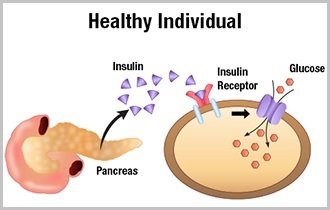
Type 2 Diabetes Occurs when Diabetes controlling hormone is not used effectively by the body resulting in Diabetes controlling hormone resistance or Hyperglycemia. In advanced stages, Type 2 Diabetes Mellitus may lead to damage to hormone producing cells leading to the deficiency.
Following Pre-Diabetes or Metabolic Disorder, Type 2 Diabetes can potentially be avoided through diet and exercise. Such a diagnosis can be viewed as a useful, if urgent, wake up call. If resistance to hormone increases, people with Type 2 Diabetes may need to take oral anti-diabetic medications or take Diabetes controlling hormones to keep their blood sugar levels stable.
Type 2 Diabetes used to primarily be seen in middle-aged adults, and in contrast to Type 1 Diabetes which is usually diagnosed at a much earlier stage. However, in recent years much younger people have been diagnosed with type 2 Diabetes. Type 2 Diabetes is becoming more common amongst adolescents and children. This increase has been connected to climbing levels of obesity.
A number of factors can increase the risk of developing Type 2 Diabetes, which include:
- Being overweight
- Having a close family member with Type 2 Diabetes
- Having high blood pressure
- Having high cholesterol
Ayurveda has 20 types of Type 2 Diabetes listed in Charaka Samhita, corresponding to Kapha (10 – Pre-Diabetes), Kapha-Pitta (6 – Early to Mature Diabetes) and Vata (4 – Diabetes with Complications). The texts also cover the following (list not exhaustive):
- Prodromal Signs & Symptoms up to Complications
- How to treat insulin resistance- cellular cleansing (autophage) through langhana (diet+exercise)
- Obesity and Diabetes- role of adiponectin, obesogenic factors
- Metabolism- Overload, Dysregulation, Dysbiosis
- Oxidative stress
- Cross Talk: Comorbidities
- Maternal Inheritance
Ayurveda approach also adequately covers the existence of complex disease pathways which can be unique, considering various variables (patient health, history, comorbidities, current symptoms) – hence encourages a whole person, systemic assessment to identify the right plan for care.This factor has been recently highlighted by multiple modern medicine journals such as “Painting a new picture of personalised medicine for Diabetes by Mark I. McCarthy, 2016”
“Kupitanam hi doshanam sharire paridhavatam | Yatra sanga kha vaigunyat vyadhi tatra upajayat”
The aggravated and the imbalanced doshas, by the virtue of aberrations of ahara (diet), vihara (lifestyle), agantuka hetu (external factors), manasika hetu or due to nidanaarthakara rogas (comorbidities) circulate in the body and lodge/accumulate in the weakest organ of the body and lead to disease.
The imbalance of doshas and the course they follow to cause disease is termed as samprapti or pathogenesis/disease pathway. Since diseases develop in distinct stages, a good knowledge of the stages helps in early diagnosis of disease in its early stage.
Ayurveda thus elaborates a six-stage process for diagnosis called Kriya (action) Kala (time). The first 4 stages are unique to Ayurveda in which they allow the physician to assess and diagnose before it advances to further stages and complications. Prediabetes is an intermediate form of dysglycemia on a spectrum ranging from normal to over diabetes. Ayurveda quotes following signs as the Premonitory signs of Prameha- initial stage of a disease before it manifests into subtypes and progresses to Madhumeha upadrava – complications of diabetes.
Prediabetes is an intermediate form of dysglycemia on a spectrum ranging from normal to overt diabetes. Ayurveda quotes following signs as the Premonitory signs of Prameha- initial stage of a disease before it manifests into subtypes and progresses to Madhumeha upadrava – complications of diabetes
With Ayurveda’s root-cause focus, Apollo AyurVAID simultaneously treats the symptoms and the underlying cause of Diabetes (Metabolism – Agni- Dhatu Agni) naturally, with the help of safe and time-tested processes. We treat Diabetes through Panchakarma and other classical Ayurvedic therapies and medicines, transformed into time bound personalized treatment plans. Apollo AyurVAID reverses Pre-Diabetes and provides validated outcomes through our Diabetes Type 2 treatment programs, apart from preventing Diabetes Complications including Glaucoma, Retinopathy, Diabetic Foot, Diabetic Neuropathy and Non-Healing wounds based on precision application of Ayurveda principles and processes.
Our Ayurveda regime, rather than just handle the Diabetes symptoms, reduces resistance and ensures effective utilization of glucose, making sure that the sugar levels in the body is in optimum balance and cardio-metabolic risk factors are alleviated. Our approach is safe and comprehensive without any side effects, preempting the spiral of escalation of antidiabetic medicines and Injectable Insulin.
Our Treat-2-Target Programs are personalized for you and performs the following:
- EVIDENCE BASED DIABETES DIAGNOSIS- to identify the Stage of Diabetes
- Deriving The Diabetes Disease Pathway Based on the Nidana Panchaka
- The comorbidities arising out of the single disease pathway are understood in detail
- The emerging risk factors are stated
- Step by Step EVIDENCE BASED MANAGEMENT PLAN AND PROVISION OF CARE for Disease Reversal
- Personalized Health Plan for Acute – Later and Sustained Health Outcomes